Marinas 2026: what is really changing for owners looking for a berth this season
Between consolidation, digitalisation and asset maintenance, the 2026 marina is changing not only for operators but also for owners booking berths, planning refits or evaluating day-to-day services.
Article outline
Why this matters right now
In the last 72 hours, the marina sector has put three issues back at the center of the conversation: berth availability, infrastructure quality and the ability of a marina to deliver service and maintenance without bottlenecks.
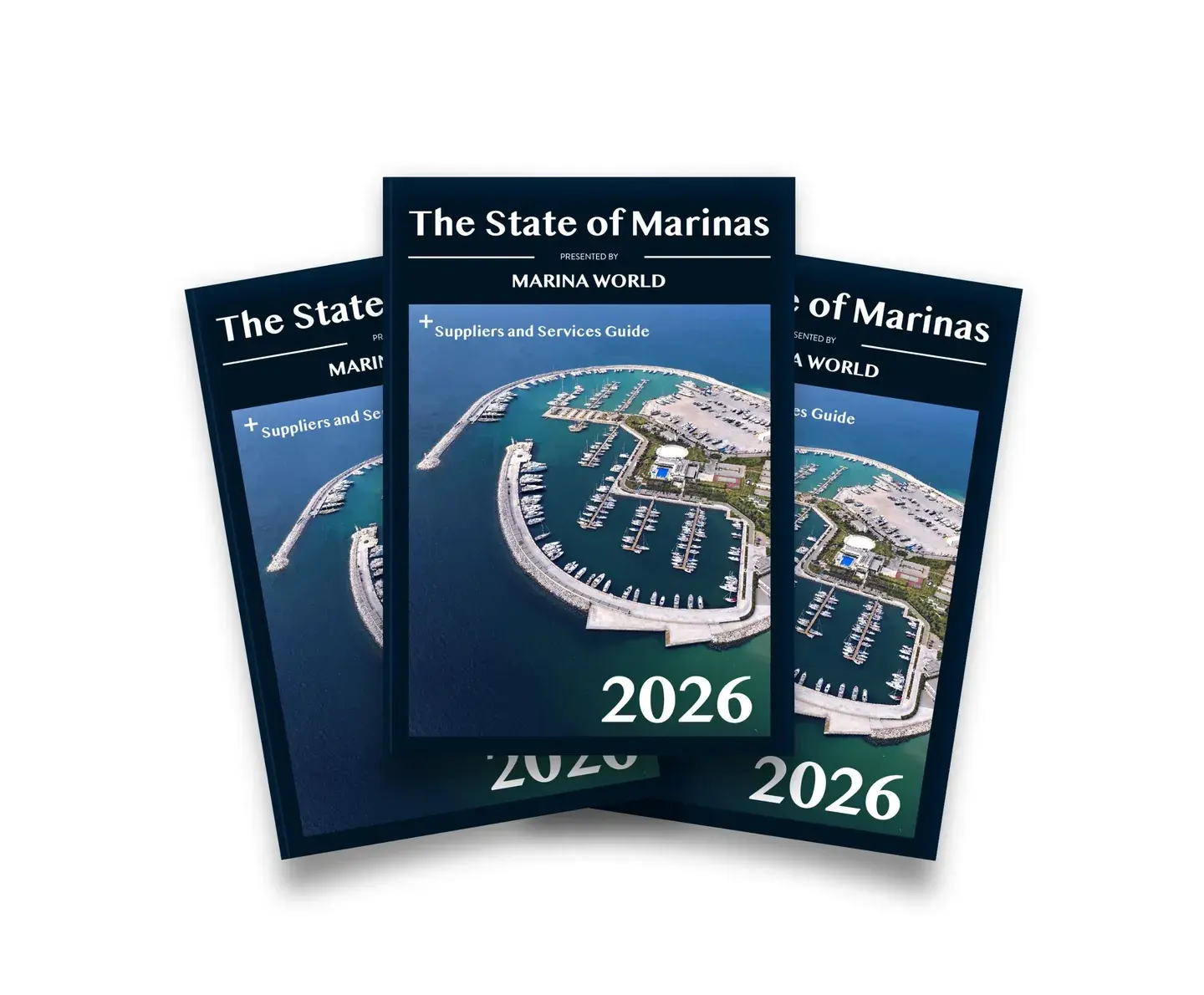
On April 22, 2026, Marina World introduced The State of Marinas 2026, a new report covering the global marina landscape through ownership changes, sustainability, digitalisation and investment. On April 24, 2026, the same publication released the Marinas26 programme for May, gathering around 400 industry participants with sessions focused on technology, sustainability, ageing assets and artificial intelligence in marina operations.
For boat owners, this is not abstract industry language. When the sector talks about ageing assets, occupancy, predictive maintenance or customer experience, it is also talking about how long it takes to get assistance, how easy it is to secure a berth and how reliable the shore-side service really is.
What the latest updates are saying
A more dynamic marina market
According to The State of Marinas 2026, around 1,200 marinas and boatyards changed hands over the past decade, with nearly 300 transactions in the last year alone. That is not a neutral detail.
When consolidation and capital interest increase, three things often change:
- the marina's commercial positioning
- the level of infrastructure investment
- the policy around ancillary services
For owners, this means a marina can improve quickly, but it can also become more selective on pricing, minimum contract length, included services and the priority given to annual customers over short-stay traffic.
Maintenance is no longer a secondary issue
The Marinas26 programme explicitly includes sessions on maintenance and asset management, ageing marina assets and predictive maintenance. That is a practical signal: many marinas are trying to manage stressed existing infrastructure, not just showcase new pontoons.
For boaters, the age and condition of assets show up in very concrete ways:
- fingers and gangways that feel stable or tired
- shore power pedestals that work consistently or intermittently
- water and pump-out access that is efficient or slow
- lift, haul-out and technical support that is available or fully booked
If a marina markets itself as premium but underinvests in upkeep, the problem usually appears the moment operational support is needed.
Digitalisation and automation are becoming selection criteria
The April 22 report lists digitalisation, automation and environmental management among the main themes. The April 24 programme adds specific uses of AI in customer experience, facility management and predictive maintenance.
For the owner, that should not be read as a promise of nicer apps. It should be read as a checklist for whether the marina can actually provide:
- clear berth booking
- quick updates on availability and arrival procedures
- simple check-in workflows
- timely communication during weather issues or works
- more predictable technical planning
In peak season, the gap between an organised marina and an improvised one is often measured in wasted dockside time before it is measured in the headline tariff.
How owners should read these trends
1. Do not look only at the berth rate
If the sector is openly discussing rising costs, pressure on revenue and revenue diversification, it is reasonable to expect many marinas to push harder on ancillary charges.
That is why it helps to clarify early:
- what the contract really includes
- which services are billed separately
- how technical support or haul-out is priced
- whether there are limitations for short stays, tenders or guests
A berth that looks competitive at first glance may become less attractive once essential operational services are all itemised separately.
2. Ask for evidence on maintenance
There are plenty of buzzwords this season, but the useful question remains simple: how does the marina maintain the infrastructure it already has?
Before signing or renewing, it makes sense to ask about:
- the current condition of pontoons and utility systems
- average response times for ordinary technical issues
- seasonal availability for lift and yard work
- procedures when shore-side utilities fail
A polished brochure is not enough. What matters is whether the marina can absorb the operating load of the busy months.
3. Evaluate the marina as an operating base, not just parking
The report also highlights the evolution of waterfronts into more complex communities, while Marinas26 gives space to the interaction between planners, operators, developers, governments and boaters.
That matters because a modern marina is no longer sold only as mooring. It is increasingly sold as an integrated base. For some owners that is a benefit. For others it can mean more traffic, more commercial pressure or less operational flexibility.
The practical question is simple: does this marina genuinely support the way I use my boat, or is it mainly selling a real-estate and lifestyle package around the berth?
What to do in the next few weeks
If you are looking for a new marina
A simple checklist helps:
- verify real availability, not just marketing availability
- ask which services are guaranteed in peak season
- confirm technical access, haul-out capacity and systems support
- clarify annual, seasonal and transit contract policies
- pay attention to response times even during the commercial phase
If you already have a berth
This is a good time to review:
- any management or pricing changes
- scheduled works on docks and utilities
- updated rules for access, guests and tenders
- the digital channels the marina actually uses for communication
If you are planning refit or maintenance work
When the sector puts maintenance and workforce pressure at the center of the discussion, availability and timing can become the real bottleneck. Booking lift slots, technical windows and local suppliers early may matter more than a small difference in berth price.
The Batoo view
The important development this week is not the launch of a single new mega-marina. It is that the marina sector is openly talking about asset management, technology and economic pressure at the same time. For owners, that is a clear message: in 2026, the value of a marina is being measured less by location alone and more by operational reliability.
This season, choosing the right nautical base should be approached the same way you would assess a well-kept used boat: less marketing, more verification. Above all, ask better questions about maintenance, service timing and the real condition of the infrastructure.
Sources and references
Sources consulted and references retained to verify data and context.
- Introducing The State of Marinas 2026Marina World · 2026-04-22
- One month to go until Marinas26 begins on the Gold CoastMarina World · 2026-04-24
- Marinas26Marina World
Continue reading

Chicago Grand Slam and the seven minutes that shape a match race
August 14, 2026 · 5 min read

Naples compresses the America’s Cup into eight AC40 races
August 11, 2026 · 5 min read

At the Copa del Rey, the multiplier outweighs the final beat
August 8, 2026 · 6 min read