Monaco Energy Boat Challenge 2026: the technologies to watch now if you own or are choosing a boat
From July 8 to 11, 2026, Monaco brings together 54 teams from 21 countries to test electric propulsion, hydrogen, methanol, foils and onboard AI. For owners, the real point is not the spectacle but which solutions are starting to have practical consequences for range, charging, refits and day-to-day use.
Article outline
Why this event matters beyond Monaco
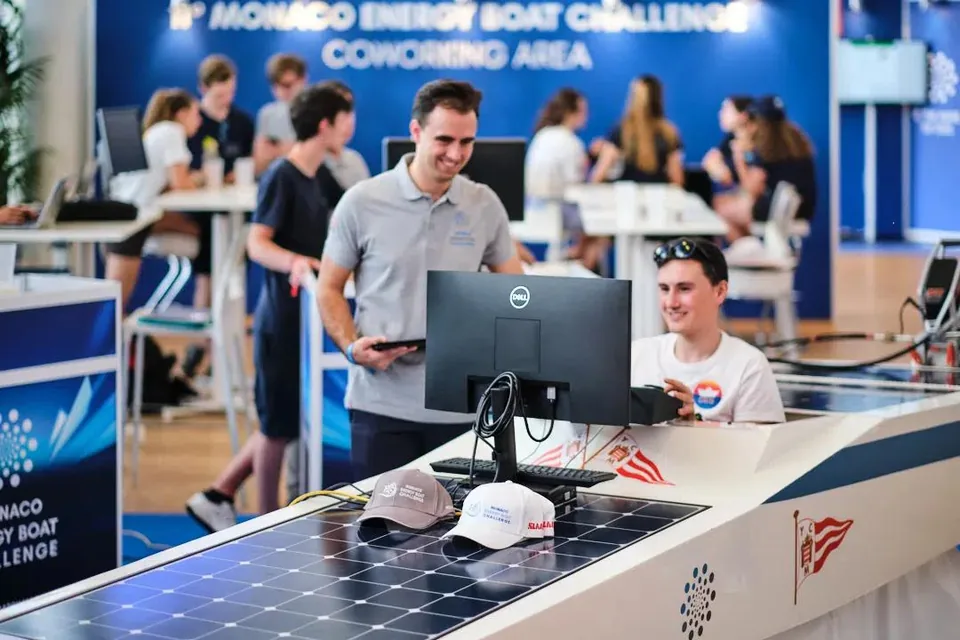
On July 3, 2026, Yacht Club de Monaco set out the picture for the thirteenth Monaco Energy Boat Challenge, scheduled for July 8 to 11, 2026. The official numbers are clear: 54 teams from 21 countries, on-water trials, technical exchanges and a showcase focused on electric propulsion, hydrogen, methanol, foils and onboard artificial intelligence.
For a Batoo reader, this should not be treated as event trivia. It is better read as an early indicator of what builders, system suppliers and marinas may start turning into products, service routines and infrastructure in the next buying and refit cycles.
The practical signals worth watching
1. Electric boating keeps becoming more credible for day use
When an event combines sea trials with a section dedicated to zero-emission boats that are already certified or close to real-world use, the message for owners is straightforward: electric boating is still limited, but it is no longer just a boat-show concept.
For day boats, marina shuttles, advanced tenders and short coastal use, the key question is no longer whether solutions exist. The better questions are these:
- where can I actually charge
- how long does the boat sit between trips
- what speed profile do I really need
- who will service the system when diagnostics are needed
The Monaco Energy Boat Challenge does not answer those questions by itself, but it does show which teams are working on the parts that matter most: efficiency, energy management and practical use, not only peak speed.
2. Hydrogen and methanol deserve attention as a medium-term topic, not an impulse purchase
The fact that the event openly highlights hydrogen and methanol propulsion, and also includes a Hydrogen Round Table and an alternative fuels conference, shows that the sector is exploring pathways beyond battery packs alone.
For private owners, the right reading today is still cautious. It does not mean buying a hydrogen-powered boat tomorrow or planning a methanol refit next month. It means that anyone evaluating a new project above a meaningful investment threshold should start asking how future-ready the technical layout is, what space dedicated tanks or systems may require and what infrastructure actually exists in the cruising area they use.
3. Foils and hull efficiency are becoming a real ownership topic
The official material speaks about hulls lifting on foils. That may sound far removed from mainstream cruising, but ignoring it would be a mistake.
Any progress in hydrodynamic efficiency can eventually translate into three practical benefits:
- less energy required for a similar use case
- more useful range for the same installed capacity
- lower noise and better comfort in certain operating profiles
Not every solution will reach the average boat quickly. Even so, the principle already matters: when comparing new boats, owners should look more closely at the hull-plus-propulsion package, not only the installed horsepower.
4. Onboard AI matters only if it cuts waste and complexity
Artificial intelligence in boating is often described too vaguely. Here it appears inside a technical testing environment. For owners, the point is not having the word AI in a brochure. The point is whether software genuinely helps in three areas:
- managing consumption and energy flows
- planning navigation against the available range
- supporting diagnostics and preventive maintenance
If these logics move from events into production systems over the coming months, the real benefit will be lower energy waste and a clearer operating picture for crews and service partners.
A useful checklist before buying or refitting
Anyone considering a new boat or a significant upgrade should use events like Monaco to ask better questions of dealers, yards and installers.
Questions worth carrying into every conversation
- is my use case day boating, weekends or longer cruising
- does my home marina have suitable infrastructure today, not in theory
- am I buying a closed system or a technical platform that can evolve
- does the builder have a support network able to follow propulsion, software and batteries or alternative fuels
- will future resale value also depend on the ability to integrate technologies that are still emerging today
What really changes for Batoo readers in 2026
In the short term, this event is most relevant for three reader groups:
- buyers looking at premium tenders or small boats used frequently
- owners planning technical refits around consumption, noise and system management
- buyers choosing a new boat and trying to avoid a platform that already feels outdated in onboard logic
For them, Monaco matters because it concentrates, on specific dates from July 8 to July 11, 2026, real sea trials, conferences and public discussion around the parts of sustainable boating that are moving beyond theory.
The right conclusion
The Monaco Energy Boat Challenge 2026 does not prove that the transition is complete. What it does show is more useful than that: the topics that deserve attention from now on are not only styling and speed, but energy, infrastructure, upgradeability and the quality of onboard data.
For an owner, reading those signals well today means buying with more clarity tomorrow.
Sources and references
Sources consulted and references retained to verify data and context.
- Come and discover today the technologies that will shape yachting tomorrowYacht Club de Monaco · 2026-07-03
- Monaco Energy Boat ChallengeYacht Club de Monaco
- Monaco Energy Boat Challenge programmeMonaco Energy Boat Challenge
Continue reading
LPG on boats: inspecting the system and handling leaks
October 23, 2026 · 8 min read
Lightning aboard: avoidance, response and checks
October 22, 2026 · 7 min read
Boating in fog: sound signals, radar and Rule 19
October 20, 2026 · 7 min read