Boat holding tanks: venting, pump-out and odours
A practical method for mapping a black-water system, checking its vent, supervising pump-out and separating normal vent odour from permeation or leakage.
In brief
Safe holding-tank operation starts by tracing the toilet, tank, vent, deck fitting and every valve. A clear vent lets air replace waste during pump-out; persistent odour calls for separate checks of airflow, hoses and joints. Any overboard route must be secured and operated under the rules that apply in the boat’s current waters.
Article outline
A black-water holding tank should not first receive attention when the cabin starts to smell. It is one part of a system that includes the toilet, discharge hose, tank vent, deck pump-out fitting and, on some boats, a diverter valve, macerator or overboard seacock. Mapping that system before touching it prevents guesswork and reduces the chance of pressurising a tank or opening a path into the bilge.
This guide is for routine operation and fault-finding on recreational boats. It does not replace the equipment manual or local discharge law, both of which should be checked before a hose is removed or a valve position is changed.
Trace every route before operating a valve
Begin with the actual installation, not a generic diagram. Follow the toilet outlet to the tank, locate the vent at the hull, trace the large hose to the deck fitting, and identify every branch that reaches a pump or through-hull. Photograph valve positions and label each function clearly enough that another crew member can understand it under pressure.
The vent is a working pipe, not a token opening. Maryland's Department of Natural Resources says its tank fitting should be at the highest point and the line should rise continuously toward the outlet; a low point can collect waste and behave like a U-trap. Short, accessible routing also makes it possible to see kinks and service the termination.
Check the tank level before dismantling anything. Gloves, eye protection, ventilation and absorbent material are sensible controls, but personal protection does not make an unknown layout safe. If a connection is hidden or the overboard route cannot be positively identified, stop and use a qualified marine technician.
A restricted vent changes how the whole system behaves
Air must enter the tank while a dockside pump removes its contents. A blocked line can therefore appear as poor pump-out performance or a toilet that is unusually hard to operate. Raritan's Compact Holding Tank manual lists a clogged vent as a possible cause for both difficult flushing and failure of a dockside pump to remove waste.
That evidence supports a useful diagnostic sequence, not a universal verdict. Confirm the tank is not overfull, inspect the external vent, look for crushed hose or liquid-filled dips, and check the tank fitting in accordance with the installed equipment manual. Do not apply compressed air or high water pressure to an unverified tank; an apparent shortcut can damage the tank or push contamination through another opening.
Where an odour filter is fitted, treat it as part of the airflow path. Its service interval and replacement method come from its maker, and a flooded or obstructed element may add resistance. Batoo's analysis is that repeated dosing with deodoriser, without confirming airflow and integrity, can mask a symptom while leaving the mechanical cause untouched.
Make dockside pump-out a controlled operation
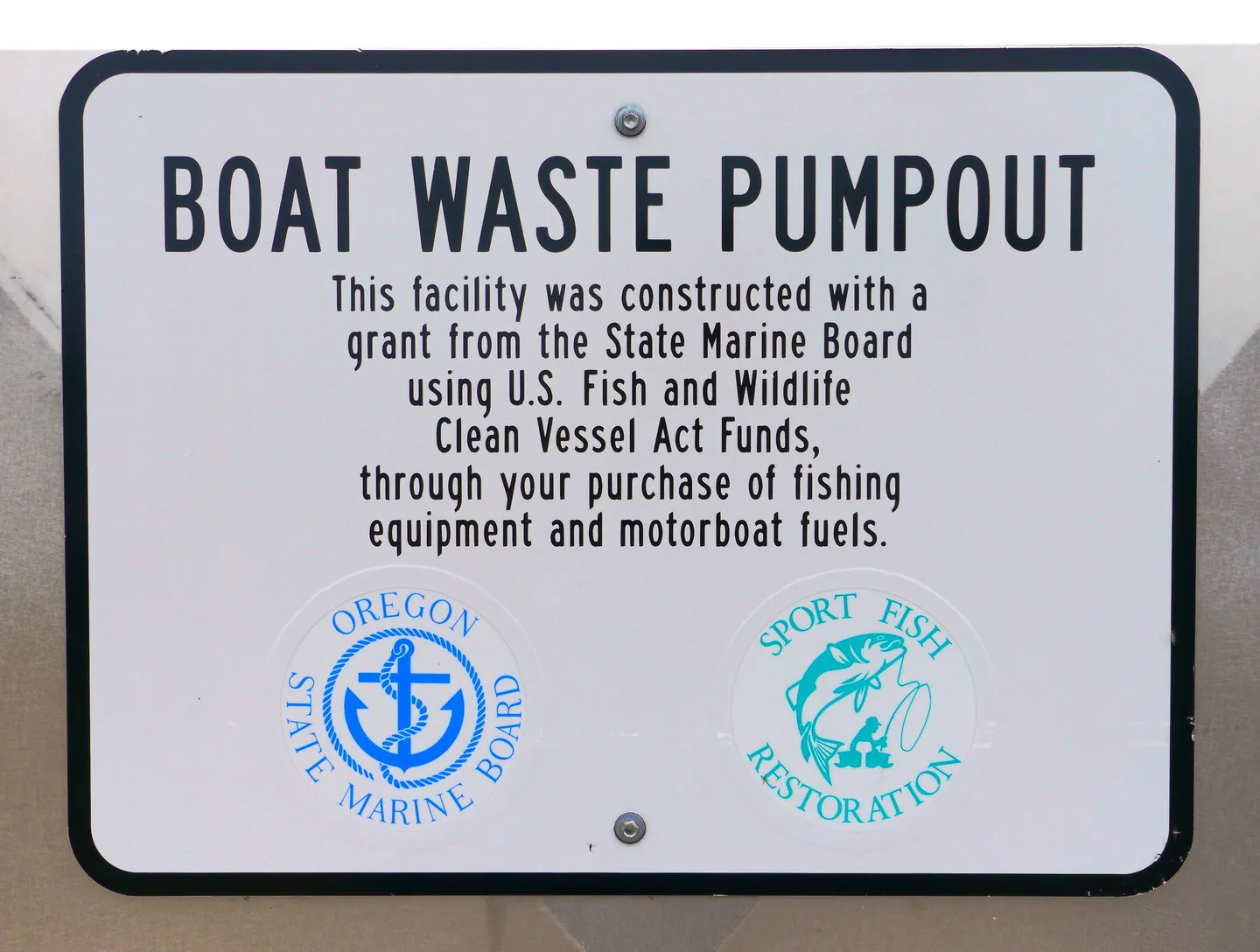
Before connecting the suction hose, confirm the deck fitting and ensure the vent path is open. Agree the start and stop signals with the attendant, keep the cap and cleaning materials ready, and watch the hose rather than walking away. If suction begins but flow does not, stop: possible causes include a wrongly set valve, blocked hose, restricted vent or a problem with the shore equipment.
The correct rinse and lay-up sequence is equipment-specific. Raritan instructs users of its permanent Compact Holding Tank installation to open the deck cap and pump until empty; for storage, the manual then calls for filling with clean water through the toilet and pumping out again. Those steps support a general principle—remove residual waste—but they do not justify copying that product's chemical treatment or quantities to a different system.
Afterward, replace the deck cap, return valves to the intended legal configuration and inspect connections and bilge spaces. Record the date, indicated level and anything unusual. A simple log can reveal whether usable capacity is shrinking, whether the fault follows one pump-out station, or whether a vent restriction is becoming recurrent.
Separate vent odour, hose permeation and leakage
Clean and dry the compartment before investigating a persistent smell. Inspect clamps, unions, access-cover seals and hose runs under good lighting, without any flame. Dampness, staining or deposits near a joint justify closer examination, but they do not by themselves identify which seal or component has failed.
Maryland DNR advises keeping sewage pipework short and direct and minimising sections that stay wet between pump-outs. It also notes that top or near-top tank connections help hoses drain and reduce permeation. On an existing boat these are diagnostic clues: a long permanently wet run deserves attention, but any redesign must respect structure, through-hull safety and the component makers' instructions.
An odour noticed only outside when the head is flushed points toward the vent discharge, although it is not proof of a defect. A smell that remains inside after the tank is empty shifts attention toward joints, discharge hose, toilet seals or contaminated surfaces. Visible sewage is different: stop using the system, contain and sanitise the area, and repair the leak before returning it to service.
Discharge rules belong to the water you are in
There is no worldwide distance rule that a skipper can safely memorise and apply everywhere. In the United States, the EPA defines a Type III marine sanitation device as a holding tank that stores sewage rather than treating it. The agency says untreated sewage discharge is prohibited within three miles of shore, while a designated No-Discharge Zone prohibits both treated and untreated sewage discharge.
The same EPA guidance describes ways to secure a Type III overboard valve in those zones: close it and remove the handle, padlock it closed, or hold it closed with a non-releasable wire tie. This is more than a casual preference for one valve position. Operators need to check the actual boundary and applicable rule, because the EPA's own map is informational and warns that it should not be used to determine enforcement boundaries.
UK Maritime and Coastguard Agency guidance takes a best-practice approach for many smaller pleasure vessels: return waste ashore, use a holding tank where fitted, and empty it at a pump-out station or beyond three miles offshore in open sea. It also warns that direct discharge is prohibited in many other countries. The practical conclusion is to consult the current local authority, harbour information and sailing directions before departure rather than export one country's rule to another.
Build a repeatable sanitation check
Before a trip, verify the level indication, valve positions, dry bilge and visible hose condition. Before pump-out, add positive identification of the deck fitting, an airflow check and a plan to stop suction if nothing moves. After pump-out, look for leakage, note the result and leave all valves in the configuration required for the waters ahead.
At the intervals specified by the component makers, inspect hose clamps, tank restraints, seals, filters and access to securing devices. The Raritan manual also tells owners to close seacocks before leaving the boat unattended because an incorrectly installed or operated vent and discharge arrangement can create a flooding hazard. That warning is product-specific, yet it highlights why sanitation work must include through-hull discipline.
A reliable system is understood, ventilated, leak-free and emptied without abnormal resistance. If tank level, airflow or valve routing cannot be established, stopping is the correct technical decision. Professional inspection is preferable to a deformed tank, contaminated bilge or unlawful discharge.
Sources and references
Sources consulted and references retained to verify data and context.
- Vessel Sewage Frequently Asked QuestionsUnited States Environmental Protection Agency
- Vessel Sewage No-Discharge ZonesUnited States Environmental Protection Agency
- MGN 599 (M) Amendment 1: Pleasure vessels — regulations, exemptions and best practiceUK Maritime and Coastguard Agency · 2024-12-10
- Pumpout system installation tipsMaryland Department of Natural Resources
- Compact Holding Tank installation and maintenance manualRaritan Engineering Company