Absolute 56 hard-top: design, used checks and prices
A source-led guide to the Absolute 56 hard-top cruiser, covering official specifications, IPS variants, used checks, alternatives and observed Batoo asking prices.
In brief
The Absolute 56 hard-top is an officially 16.80 m sport cruiser with three cabins and two heads, best suited to families seeking outdoor living and fast coastal cruising. Its main caveat is complexity: twin or triple IPS installations, conflicting listing data and numerous systems demand strong records, an independent survey and specialist propulsion checks.
Article outline
Model factsheet
Editorial data from official sources and observed listings. Open only the level of detail you need.
Key facts
- Observed years
- 2007
- Length
- 16.45–16.8 m
- Beam
- 4.65 m
- Draft
- 1.17 m
Specifications and engines
3× Volvo Penta IPS 600 435 hp · 2× Volvo Penta D6 IPS500 435 hp
Observed prices
Observed asking prices from eligible active Batoo listings in this dossier, grouped by currency. This is not a valuation: taxes, equipment, condition, year and negotiation can change the final price.
Observed listings (2)
Listings form the dossier dataset and may change or become unavailable.
Images come from active Batoo listings and may show different individual boats, years and configurations. Brokers and sellers have not reviewed or approved this dossier. Broker Pro indicates an active subscription, not identity verification, and never guarantees editorial coverage, placement or assessment.
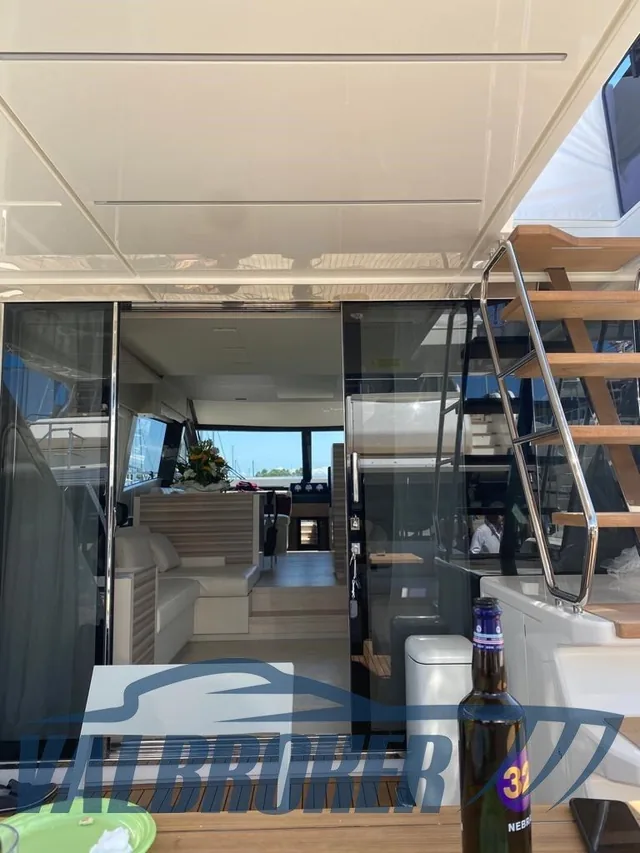
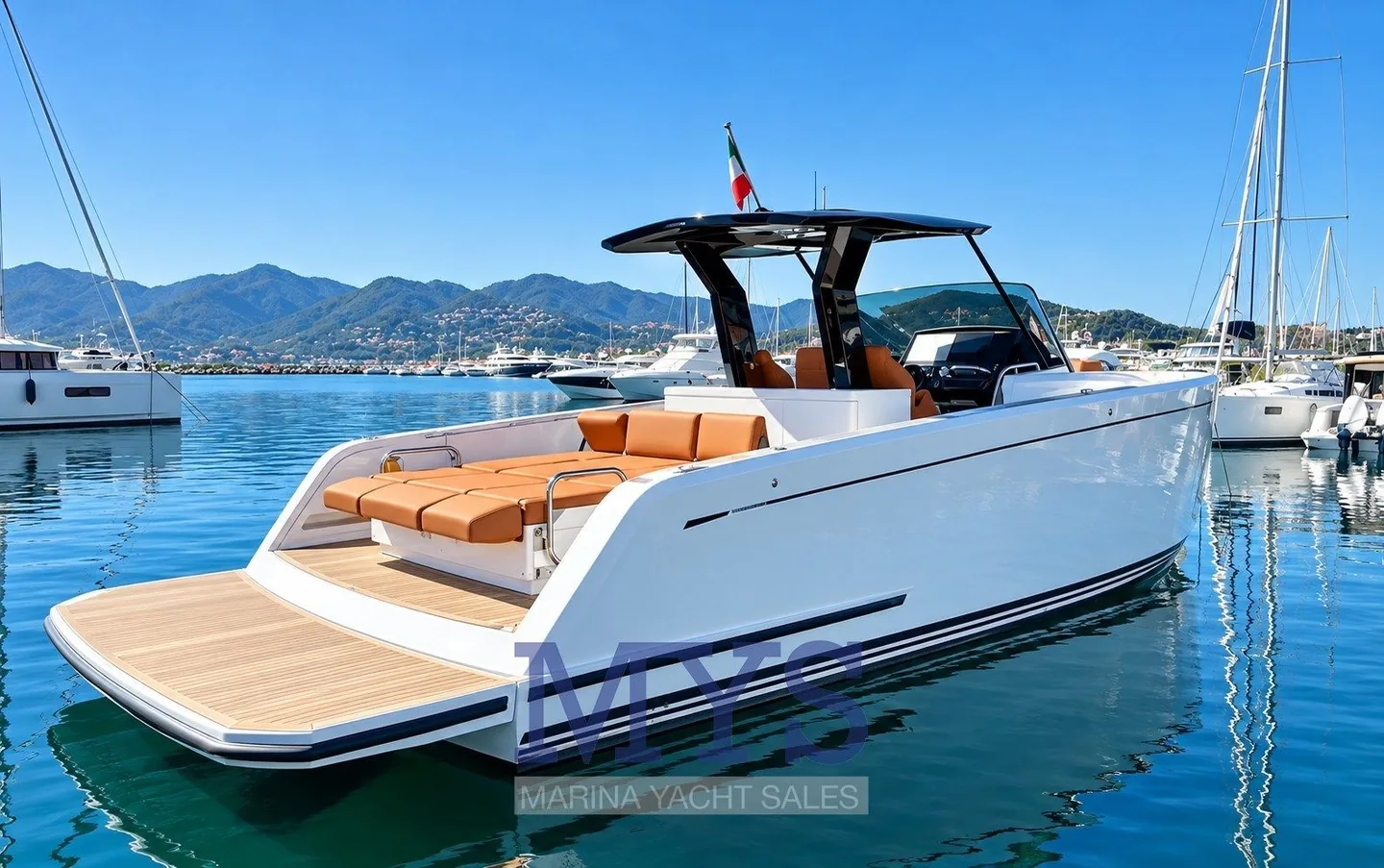
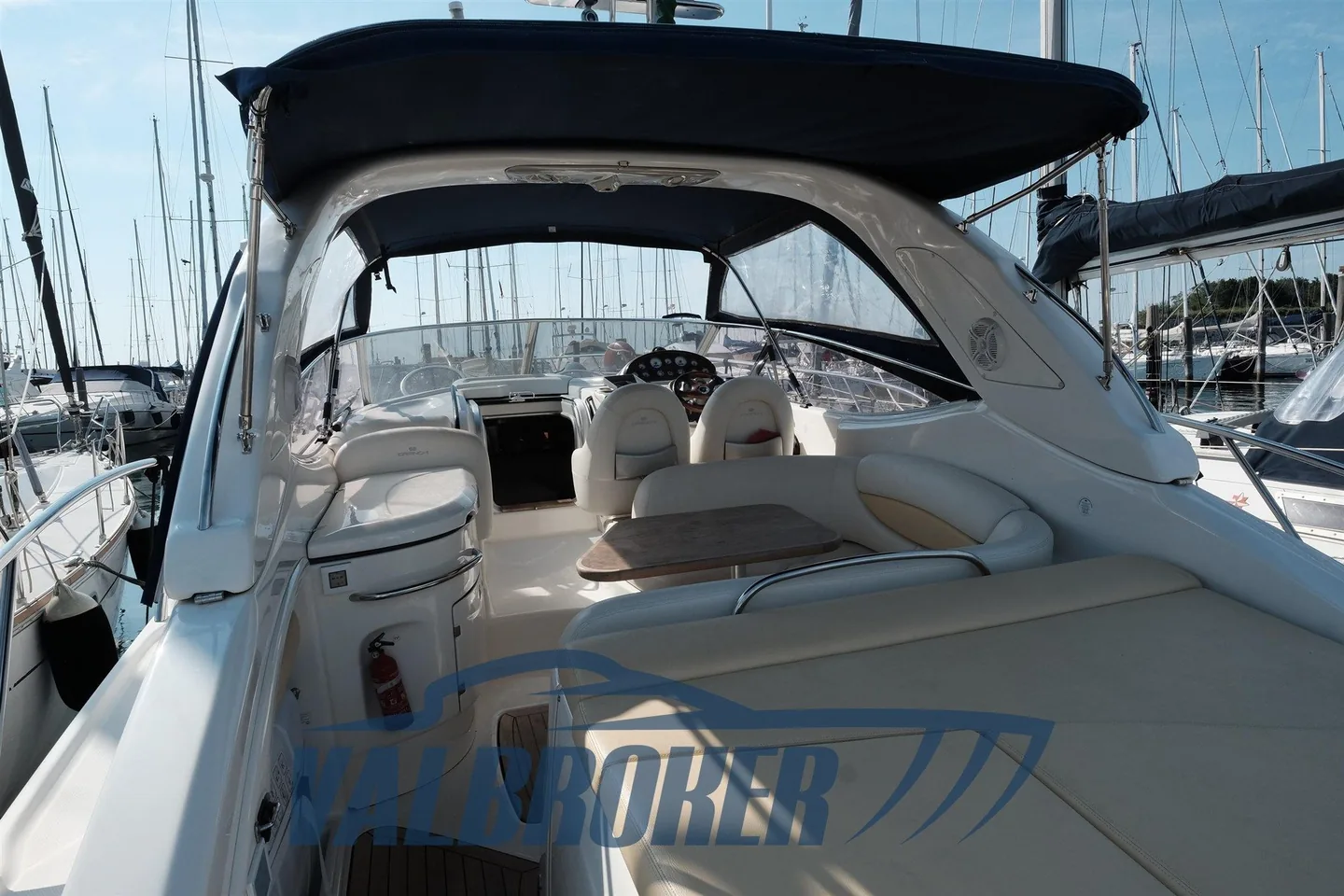
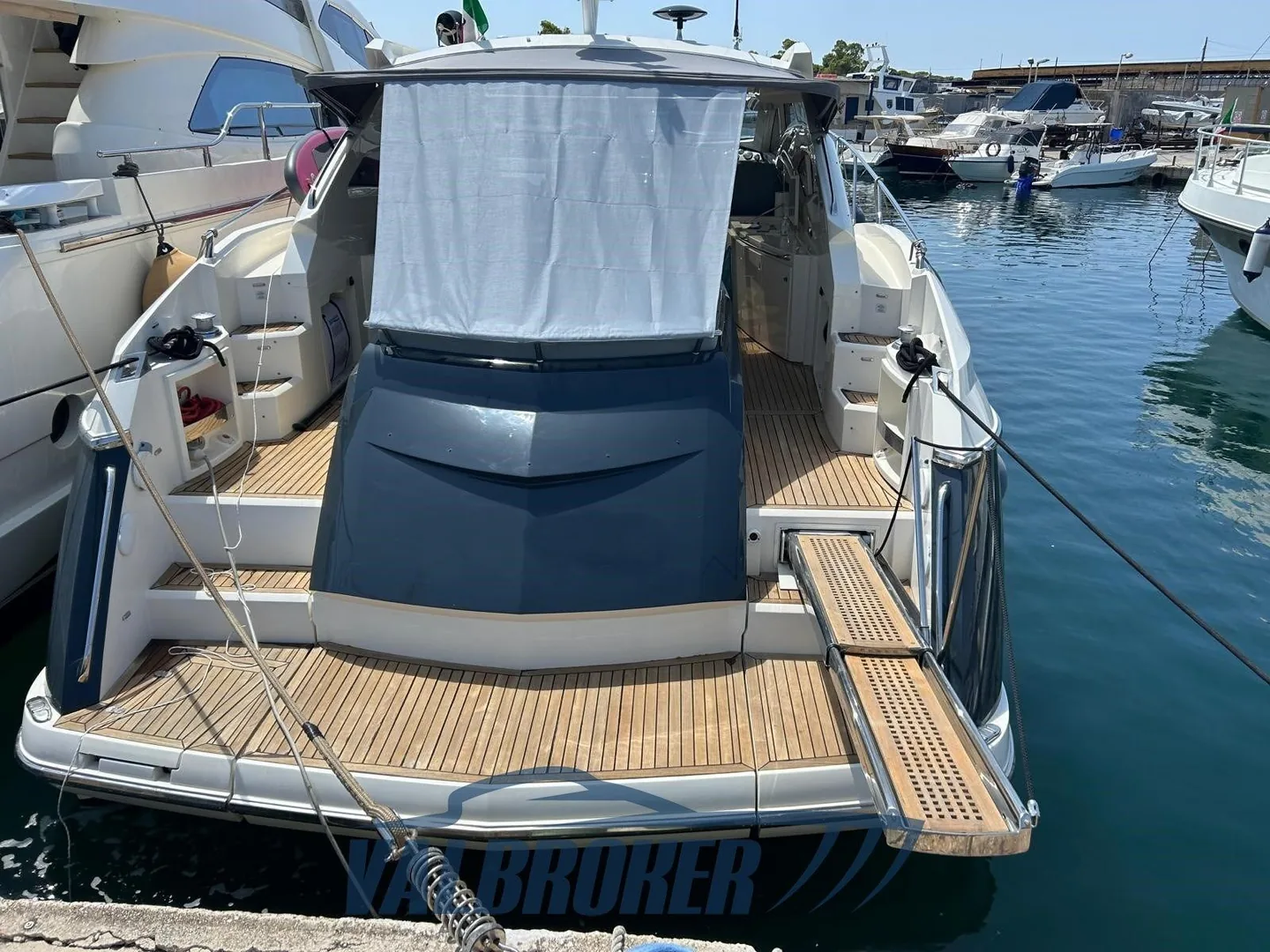
See ABSOLUTE 56 listings on BatooListing photographsReal photographs from listings included in the dossier, with a link to each source.
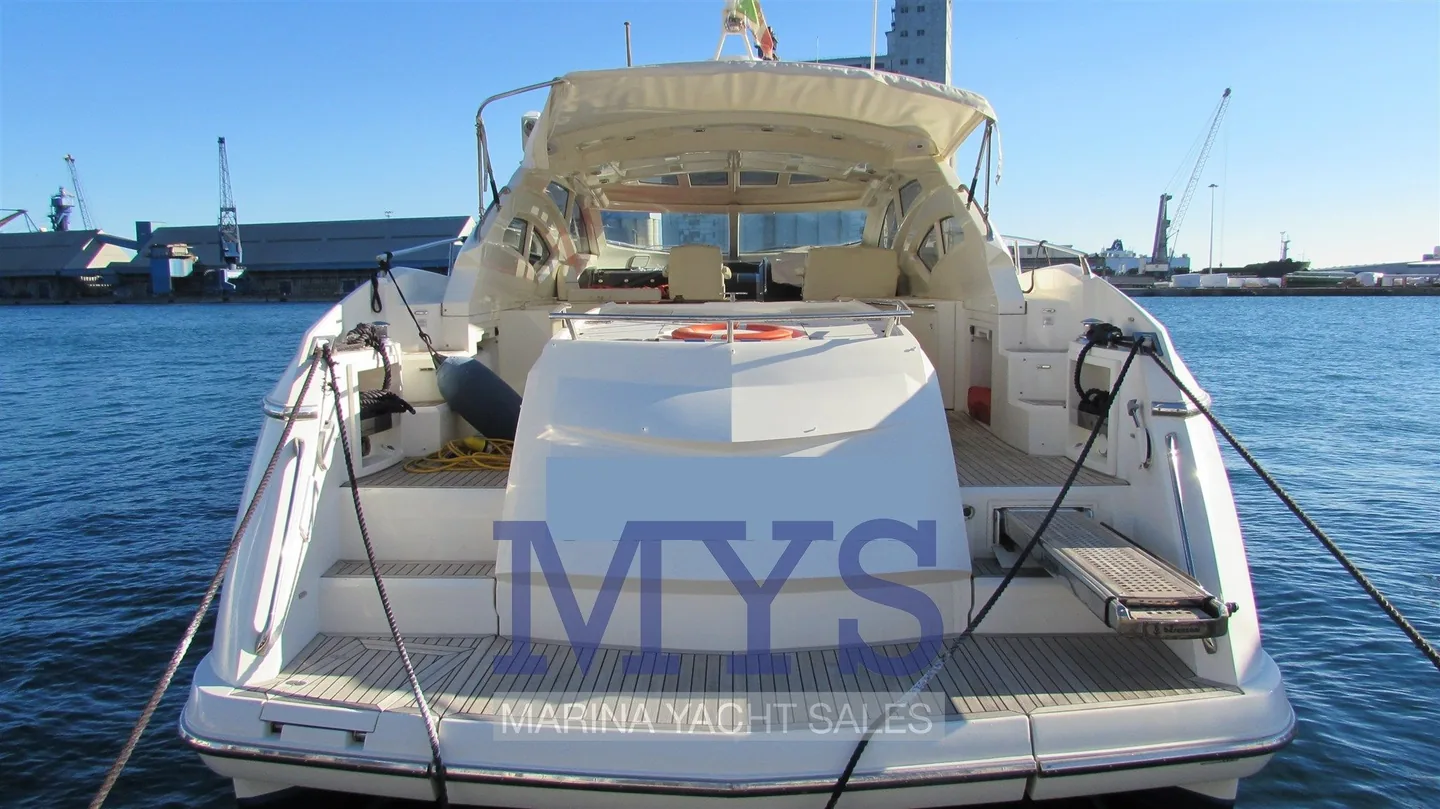
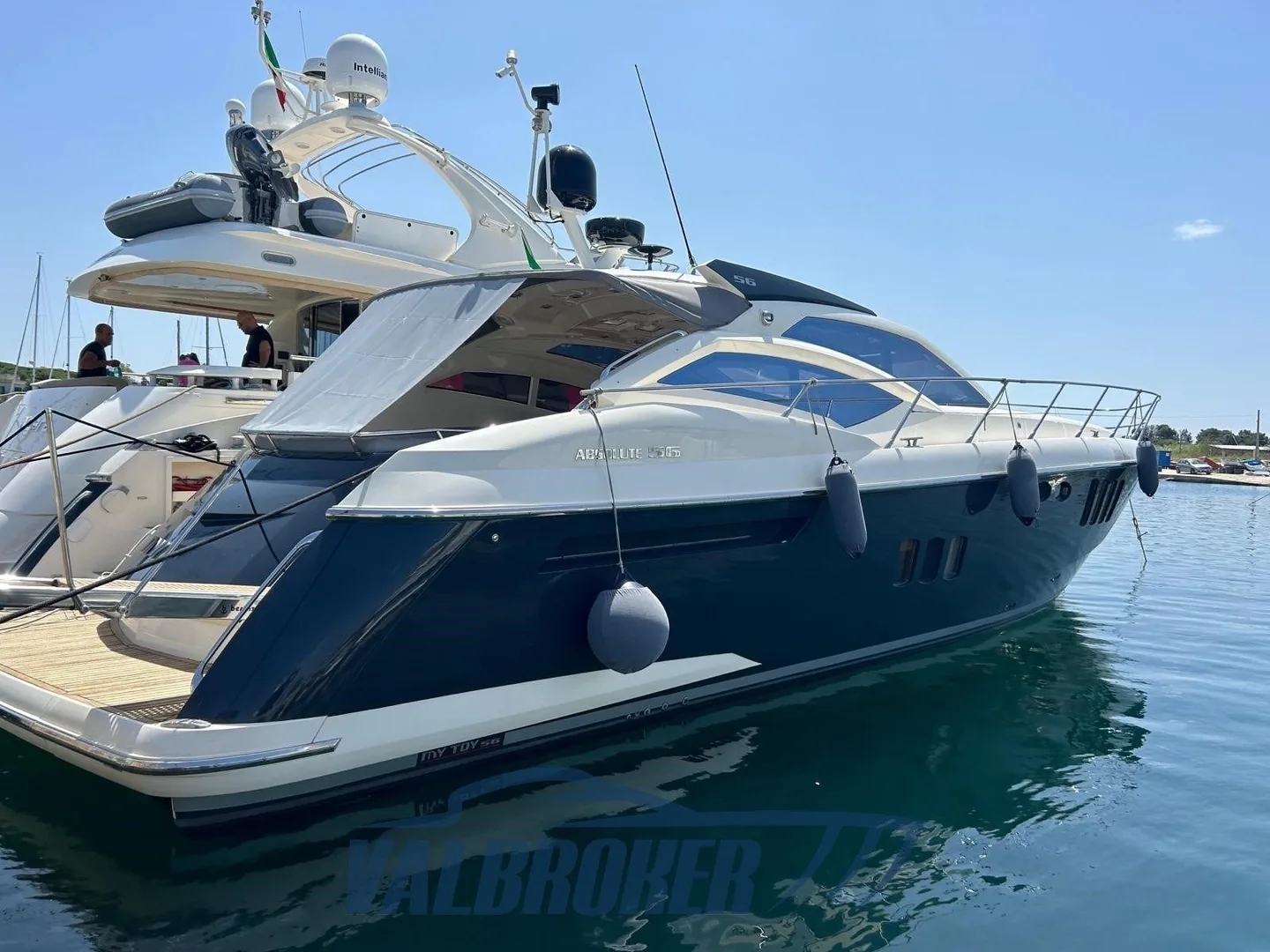
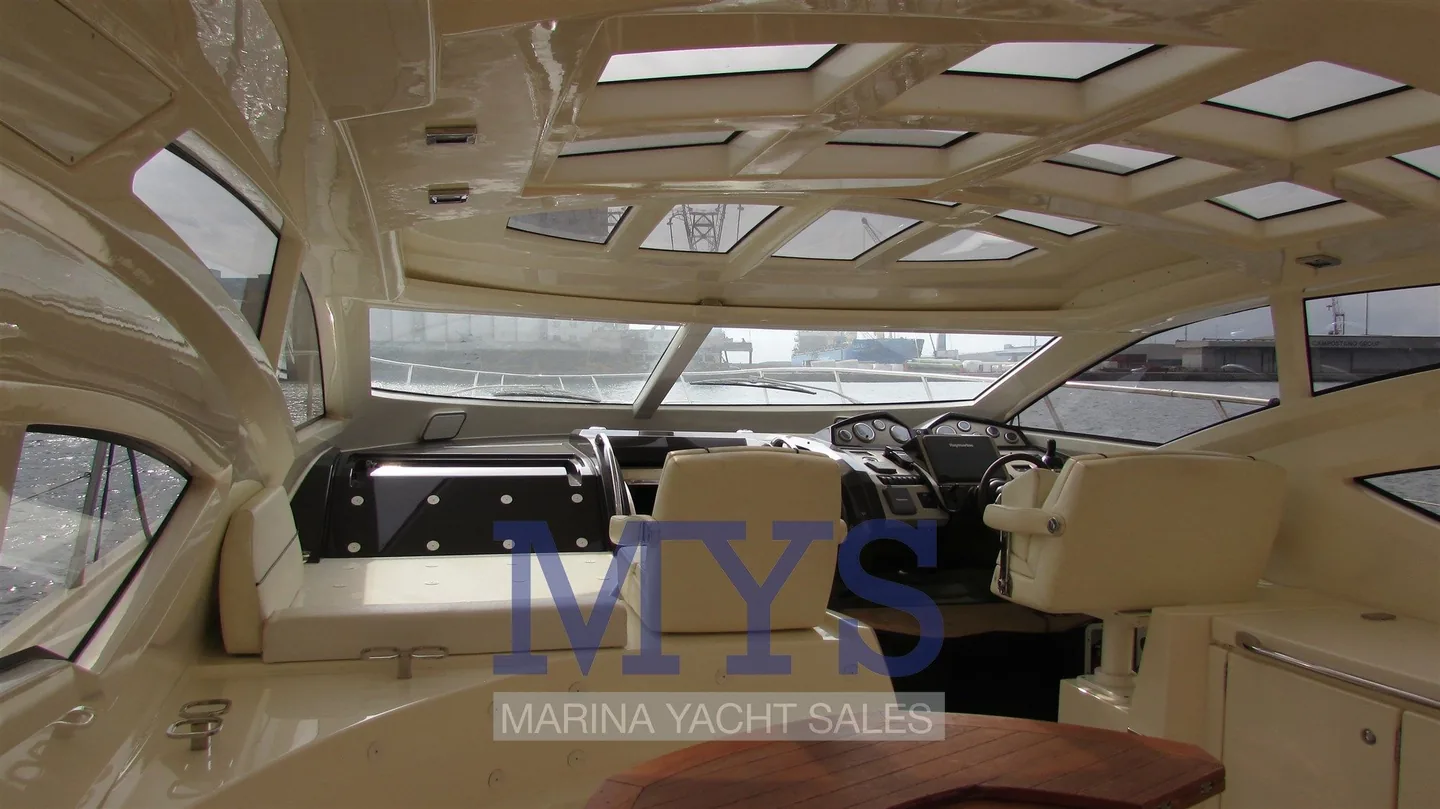
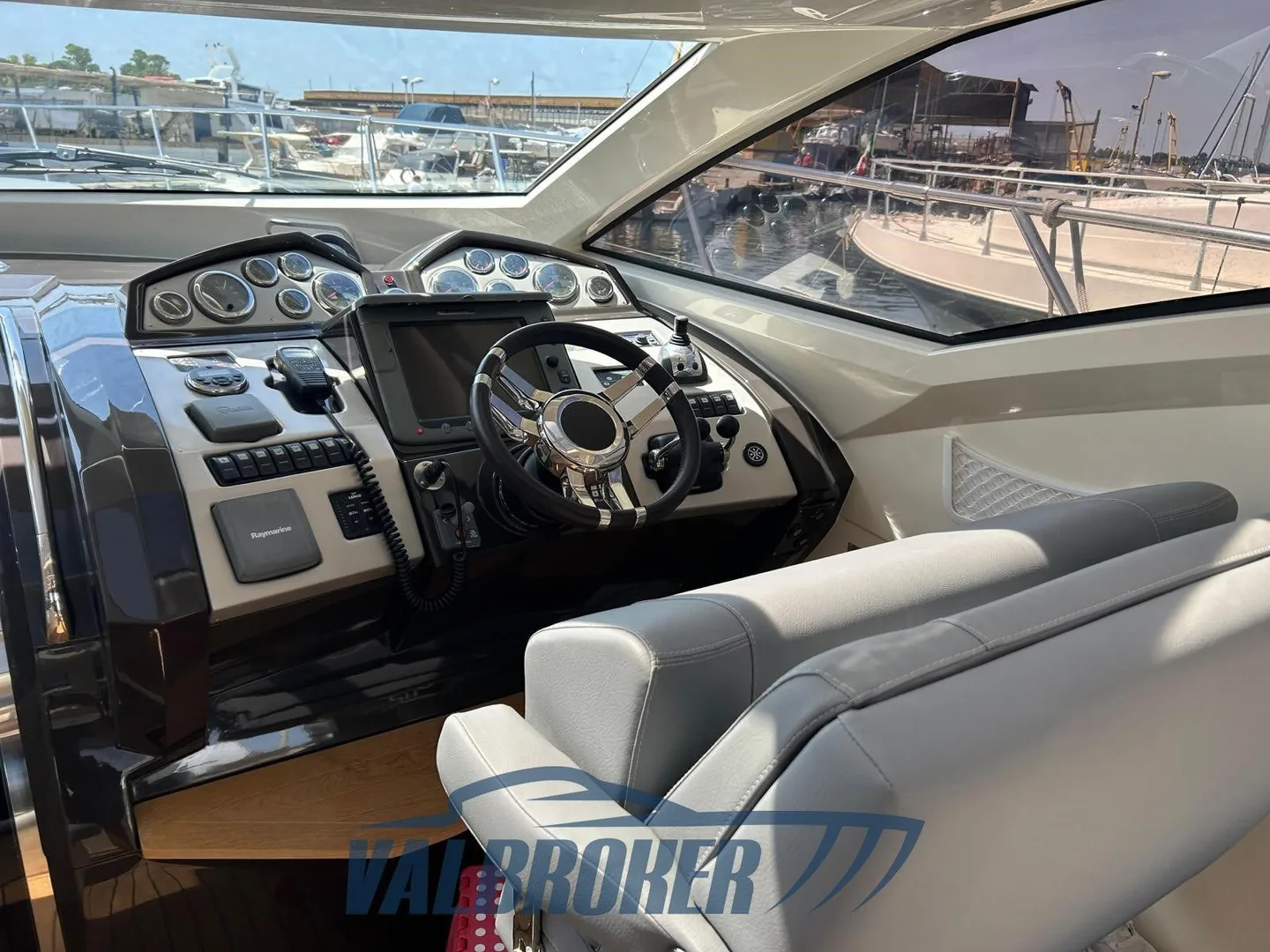
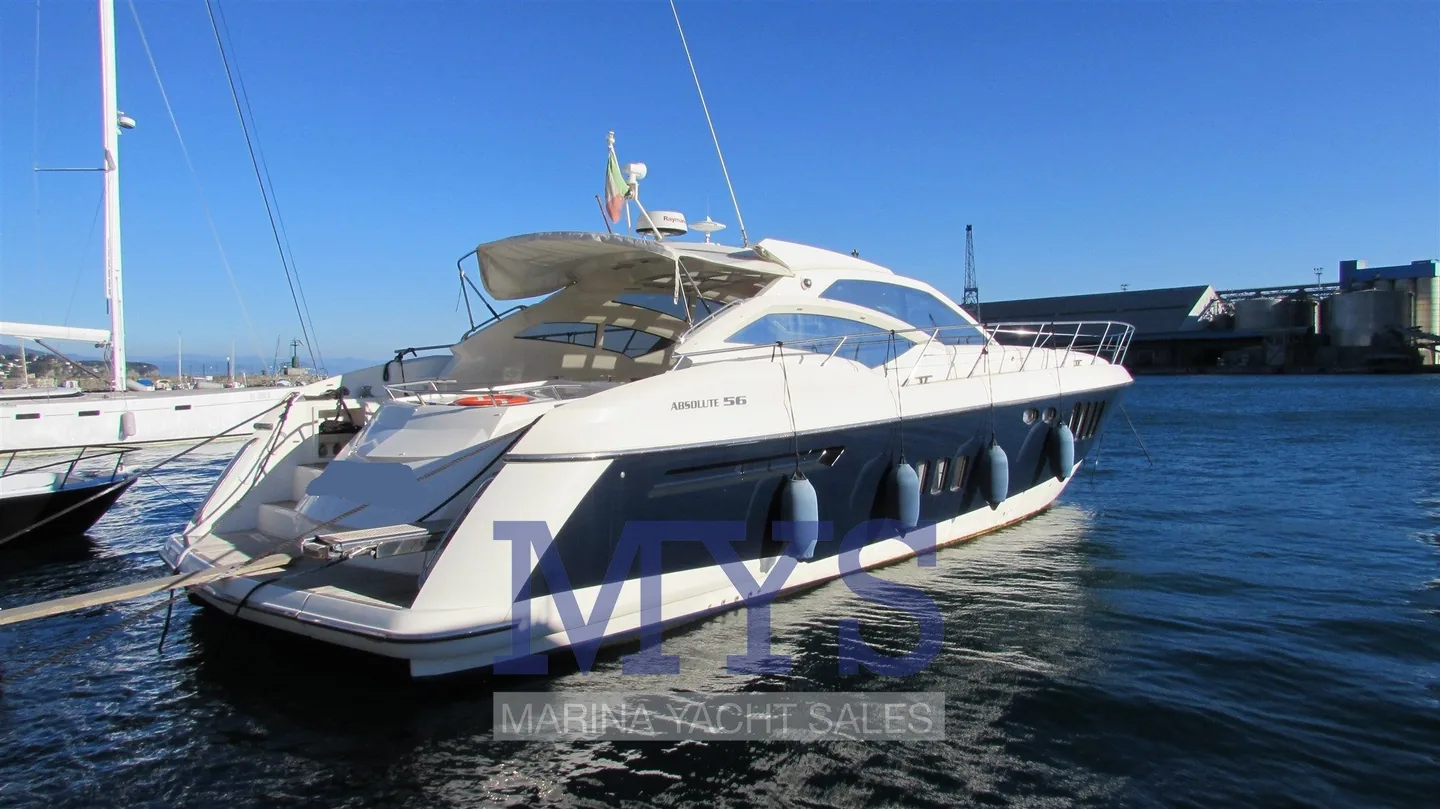
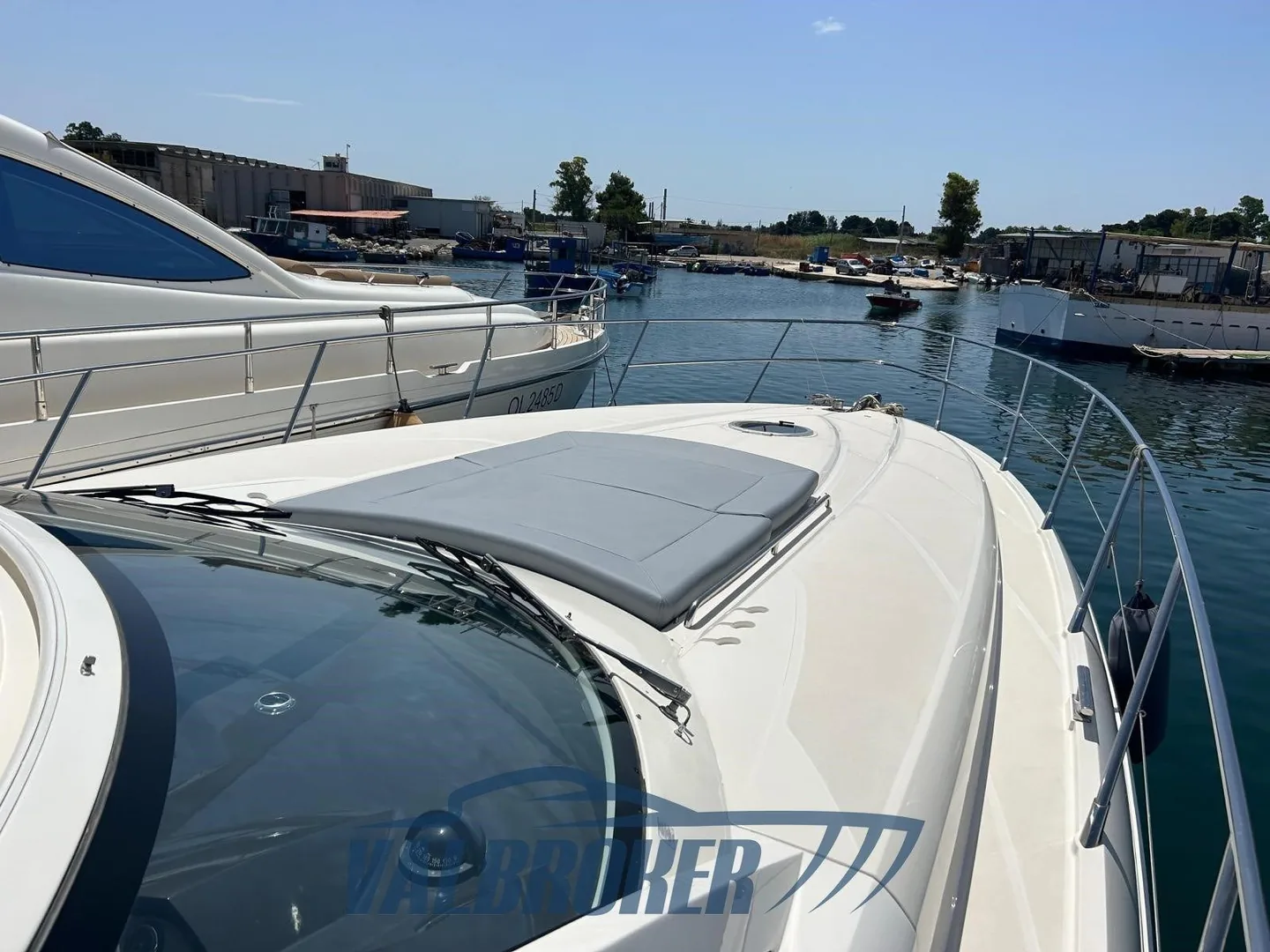
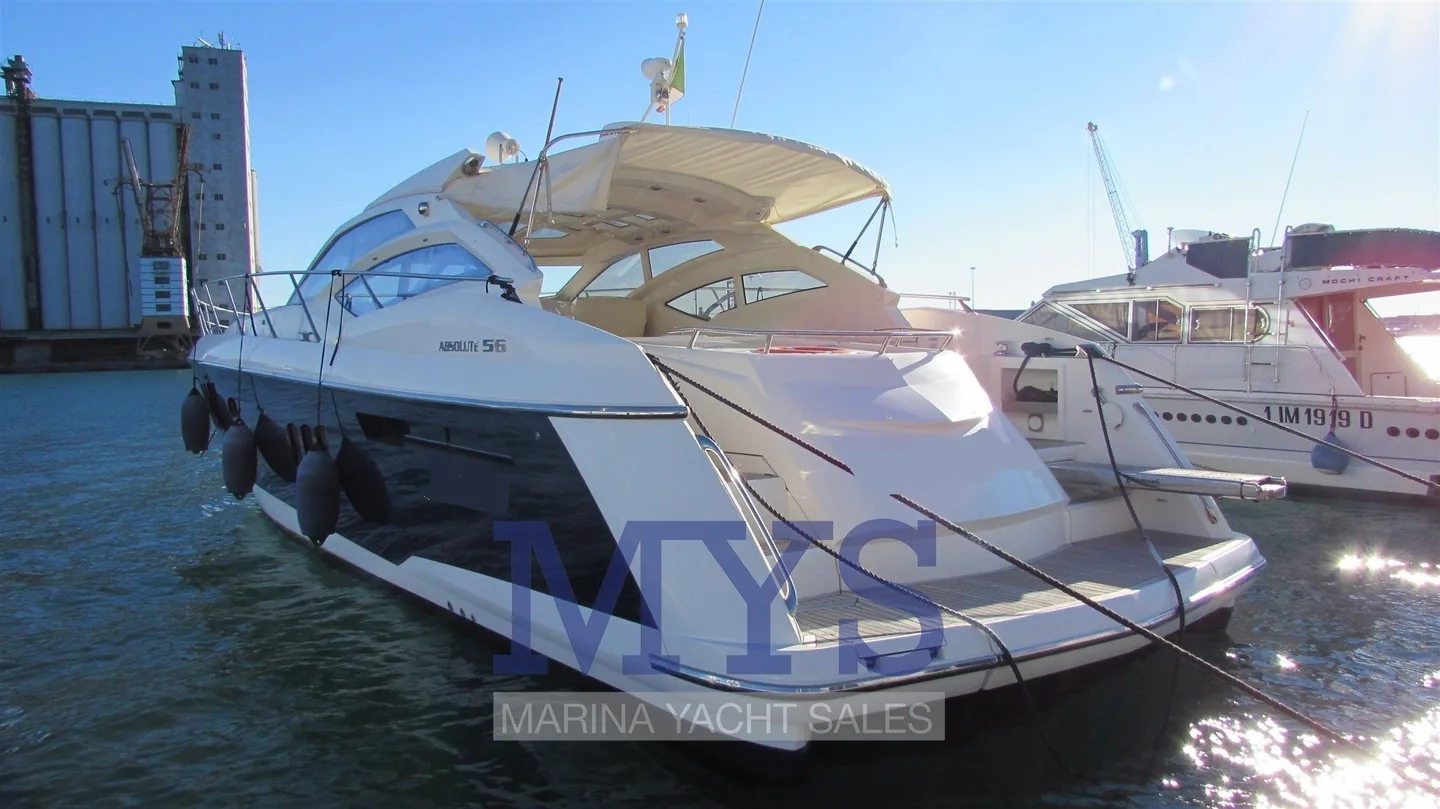
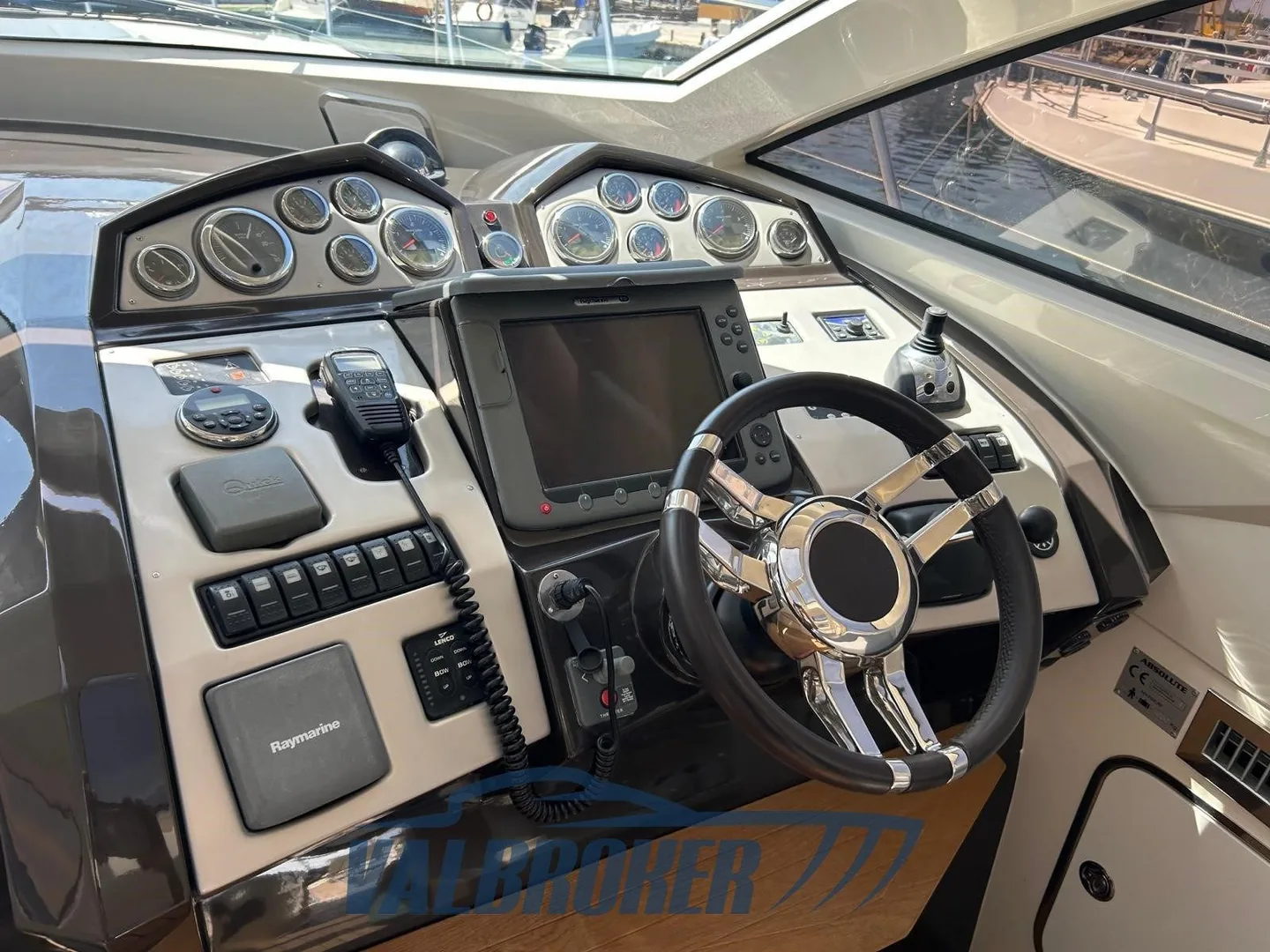
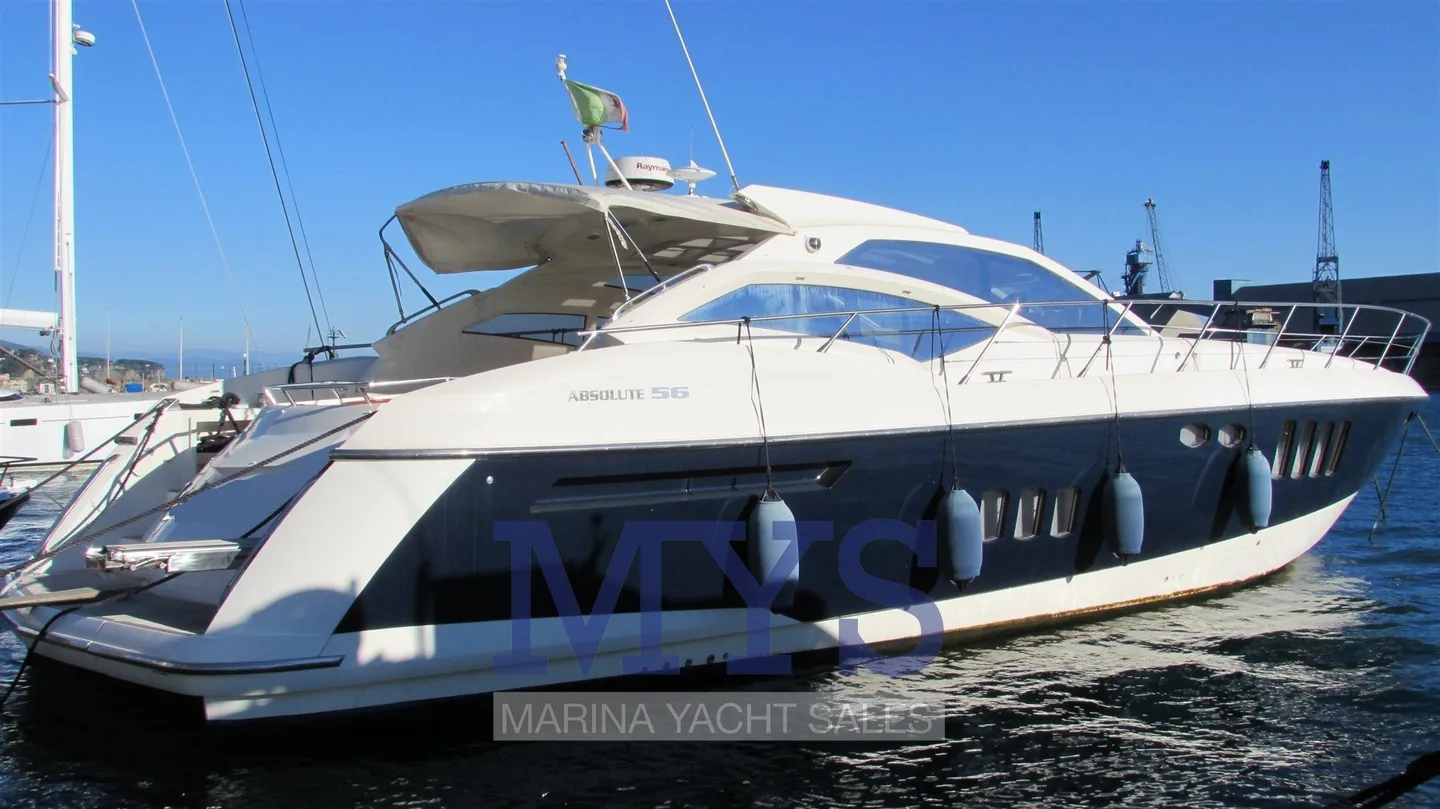
The Absolute 56 covered here is the first-generation hard-top sport cruiser, not the current yacht carrying the 56 Fly name. That distinction controls the entire buying exercise: dimensions, deck plan, capacities and propulsion choices belong to different generations, so a used example must be identified through its own papers and serial numbers.
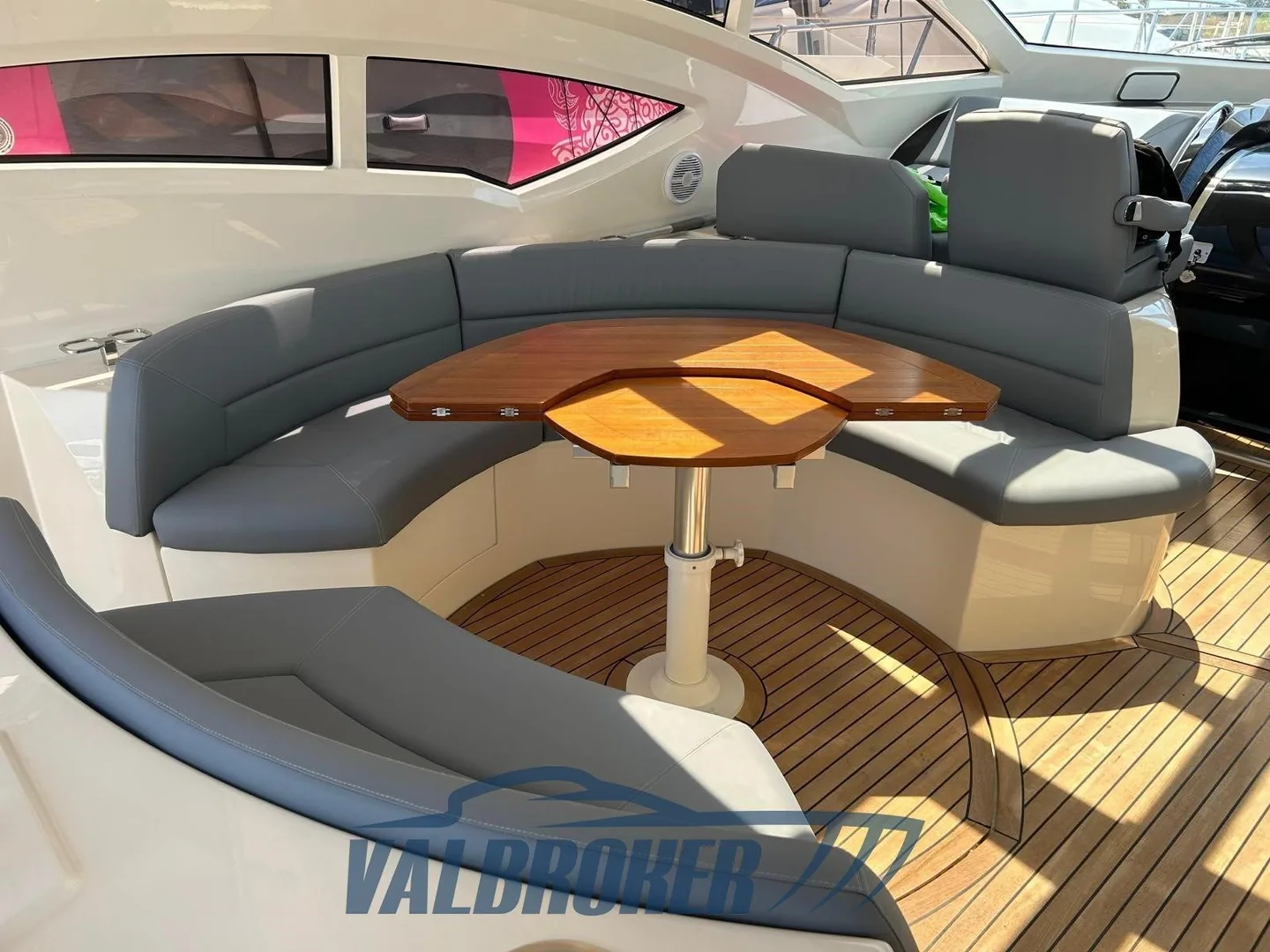
Its appeal is easy to understand. A sheltered cockpit, stern garage, three-cabin accommodation and IPS propulsion combine fast Mediterranean cruising with genuine weekending space. The counterweight is the running and maintenance burden of a yacht longer than sixteen metres. Market observations below are Batoo analysis from a very small sample, not a surveyor’s valuation.
Design, dimensions and accommodation
Absolute’s heritage page calls this model the 56 Stc, or Sport Cruiser, and describes an opening hard top above the helm and social area. The yard gives an overall length of 16.80 m and a beam of 4.65 m. Batoo’s two 2007 records show 16.45 and 16.80 m, plus a stated draft of 1.17 m. Those lengths should remain separate: measurement convention, paperwork or data entry may explain the gap, but averaging them would create a specification no source publishes.
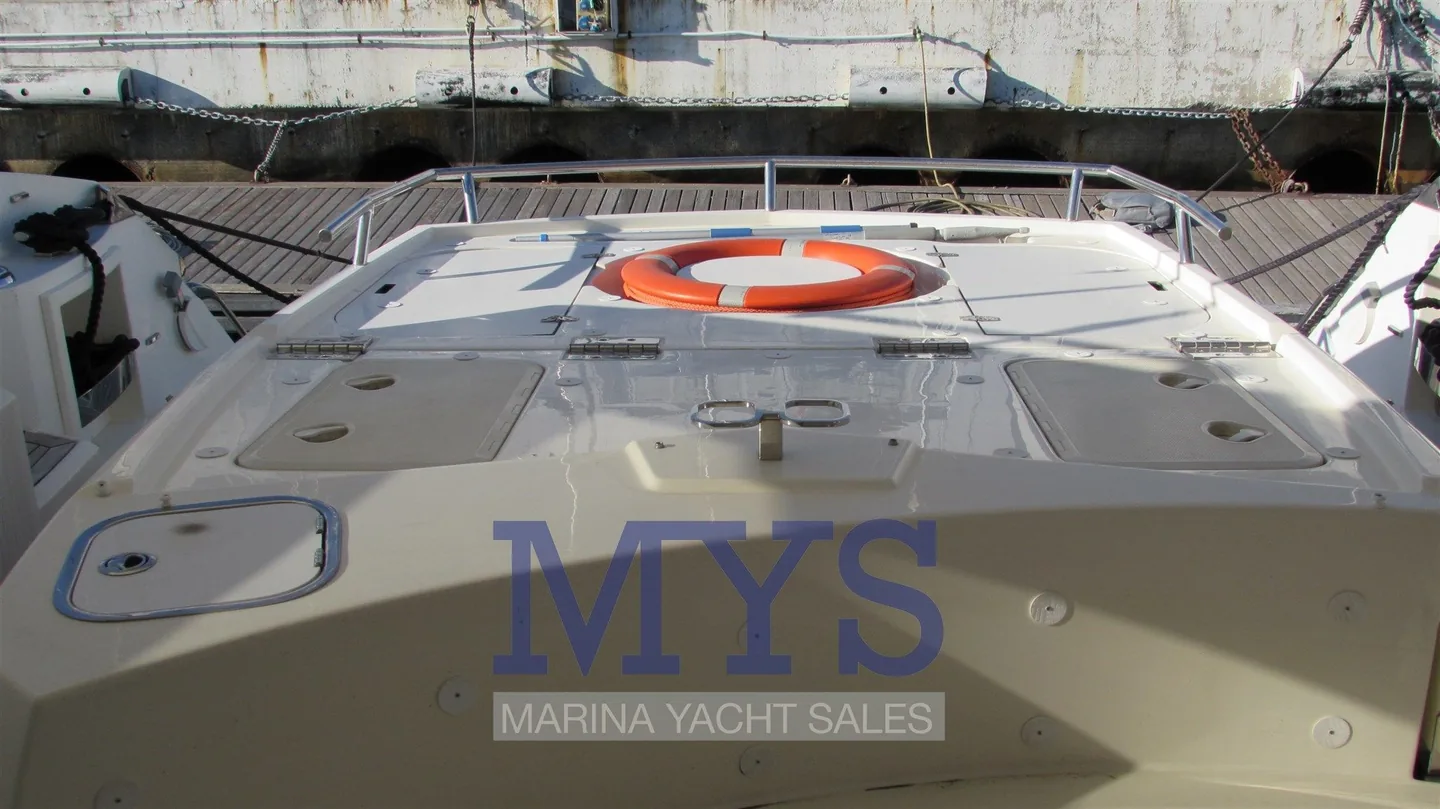
The official arrangement comprises three cabins and two heads, also reported for both boats in the dossier. A full-beam cabin is the principal accommodation benefit, while the garage beneath the aft sunpad keeps the bathing platform clear when the tender is stowed. Buyers should still measure berths, access and usable lockers because a cabin count says little about ventilation, standing room or practical storage.
| Item | Official 56 Stc | 2007 Batoo dossier | Buying interpretation |
|---|---|---|---|
| Length | 16.80 m | 16.45–16.80 m | establish convention from documents |
| Beam | 4.65 m | 4.65 m | sources agree |
| Cabins/heads | 3/2 | 3/2 | sources agree on layout |
| Fuel/water | 1,600/500 L | unavailable | do not import figures from another 56 |
| Category/persons | B/16 | unavailable | inspect the individual CE plate |
Specifications and propulsion variants
Absolute lists both twin and triple Volvo Penta D6-IPS600 installations for the 56 Stc, with each engine rated at 320 kW. One Batoo boat is described with three IPS 600 units at 435 hp each, 1,305 hp total and 1,370 hours. That broadly corresponds to the yard’s triple option, allowing for units and rounding.
The second record requires restraint. It calls the engines “D6 IPS500” while also assigning 435 hp to each, 870 hp in total and 600 hours. This name-and-output combination is left unresolved. It may be inconsistent data, a different installation history or a documentation issue; engine plates, serial-number records, invoices and a Volvo Penta configuration check are the only sound way to establish what is fitted.
Engine count changes ownership economics as much as performance. Three engines mean another complete service path, with additional cooling, exhaust, drive and control components. A twin installation must instead be judged against displacement, loading and the propeller set actually fitted. No speed or fuel-burn claim is made here because there is no controlled, comparable trial for these two individual boats.
Pros and cons in practical ownership
The strongest argument is packaging. The 56 Stc places a covered entertaining space, sunpad, tender garage and three cabins inside a purposeful sport-cruiser profile. The official 4.65 m beam supports that volume, and a healthy IPS system can simplify close-quarters handling through integrated steering and joystick control. These are design attributes, not assurances about the condition of an almost twenty-year-old yacht.
Complexity is the corresponding weakness. The moving roof, garage mechanism, passerelle, climate system, generator, domestic equipment and two or three pods all require inspection and continuing care. Fresh upholstery or paint can improve presentation without demonstrating the condition of drives, structure or wiring. Cosmetic work, scheduled servicing and substantiated mechanical renewal should therefore be recorded as three different things.
Helm sightlines and side-deck movement need to be tested with the roof and covers in their normal positions. Noise, vibration, steering response and joystick behaviour should be observed only during an authorised sea trial with the machinery warm. A professional surveyor and propulsion specialist remain essential; this editorial dossier is not a substitute for either.
Ideal use and the right owner
This Absolute 56 suits a family or two couples who favour anchorages, outdoor living and brisk coastal passages while still wanting three actual cabins. The protected cockpit extends the useful season, and the garage makes sense for owners who launch a tender frequently rather than leaving it on the bathing platform.
It is a poor fit for minimal management, low fixed costs or displacement-speed passagemaking. Berthing, lifting, insurance and replacement parts all belong to the sixteen-metre-plus category. The official limit of sixteen persons is a certification ceiling, not a comfort recommendation: cruising stores, personal gear and safety equipment quickly change the lived experience aboard.
Used-boat checks and IPS inspection
Begin with technical identity. The HIN/CIN, CE plate, build and registration dates, plus serial numbers for every D6 and pod, should reconcile with title documents, invoices and service history. Volvo Penta directs owners to authorised dealers for repairs, support and checks for recall, quality or service notices. A diagnostic download and serial-specific campaign enquiry are therefore reasonable parts of due diligence.
Out of the water, the survey should cover laminate condition and previous repairs, through-hulls, pod seals, counter-rotating propellers and any evidence of grounding or impact. An afloat trial should include cold starting, temperatures, pressures, smoke, engine synchronisation, steering, joystick response and operation under load. Reported hours—1,370 for one boat and 600 for the other—matter only when electronic records and dated paperwork support them.
Inside, inspect for water ingress around glazing and the moving hard top, then test garage drains and actuators, generator, batteries, chargers, air conditioning and all shore-power circuits. Every claimed refit or major repair needs invoices identifying dates, parts and the responsible workshop. A seller’s narrative may guide questions, but it is not evidence of completed work.
Alternatives and a useful comparison set
Alternatives should be grouped by use rather than length alone. A Princess V48 offers a related hard-top cruising idea in a slightly smaller package; a Sunseeker Portofino 53 also prioritises cockpit living and a garage; a Pershing 56 pushes further toward performance. A later Absolute 56 Fly adds a genuine upper deck and belongs to a different generation, so it must not supply missing specifications for the Stc.
| Model | Why compare it | Deciding question |
|---|---|---|
| Princess V48 | hard-top sports cruising | is the smaller footprint sufficient? |
| Sunseeker Portofino 53 | open cockpit and garage concept | what is the machinery condition? |
| Pershing 56 | more performance-led character | does the operating profile fit? |
| later Absolute 56 Fly | more elevated outdoor space | are generation and use actually comparable? |
Observed price range and methodology
On 9 October 2026 the dossier contains two active Batoo asking prices for 2007 boats: €370,000 and €395,000. The observed band is therefore €370,000–€395,000 with a sample of two. It is not a valuation, says nothing about achieved prices and cannot isolate tax position, location, equipment, engine configuration, hours, condition, remedial work or negotiation.
A disciplined buyer can use the band only as a starting point, then build an all-in figure covering the agreed price, surveys, immediate defects, deferred servicing, berthing and a contingency reserve. Comparing headline prices is especially weak when propulsion records are not fully aligned. Batoo also treats active subscription, identity verification, offer freshness and editorial eligibility as four separate signals. Broker Pro means an active subscription only; it is not identity verification and never guarantees editorial coverage, ranking or a positive assessment.
Images come from current Batoo listings and may show different individual boats or configurations. Brokers and sellers have not reviewed, validated or approved this dossier.
Sources and references
Sources consulted and references retained to verify data and context.