Azimut Atlantis 45: specs, versions and prices
A buyer-focused Azimut Atlantis 45 guide covering official specifications, IPS variants, used-boat checks, alternatives and Batoo asking-price observations.
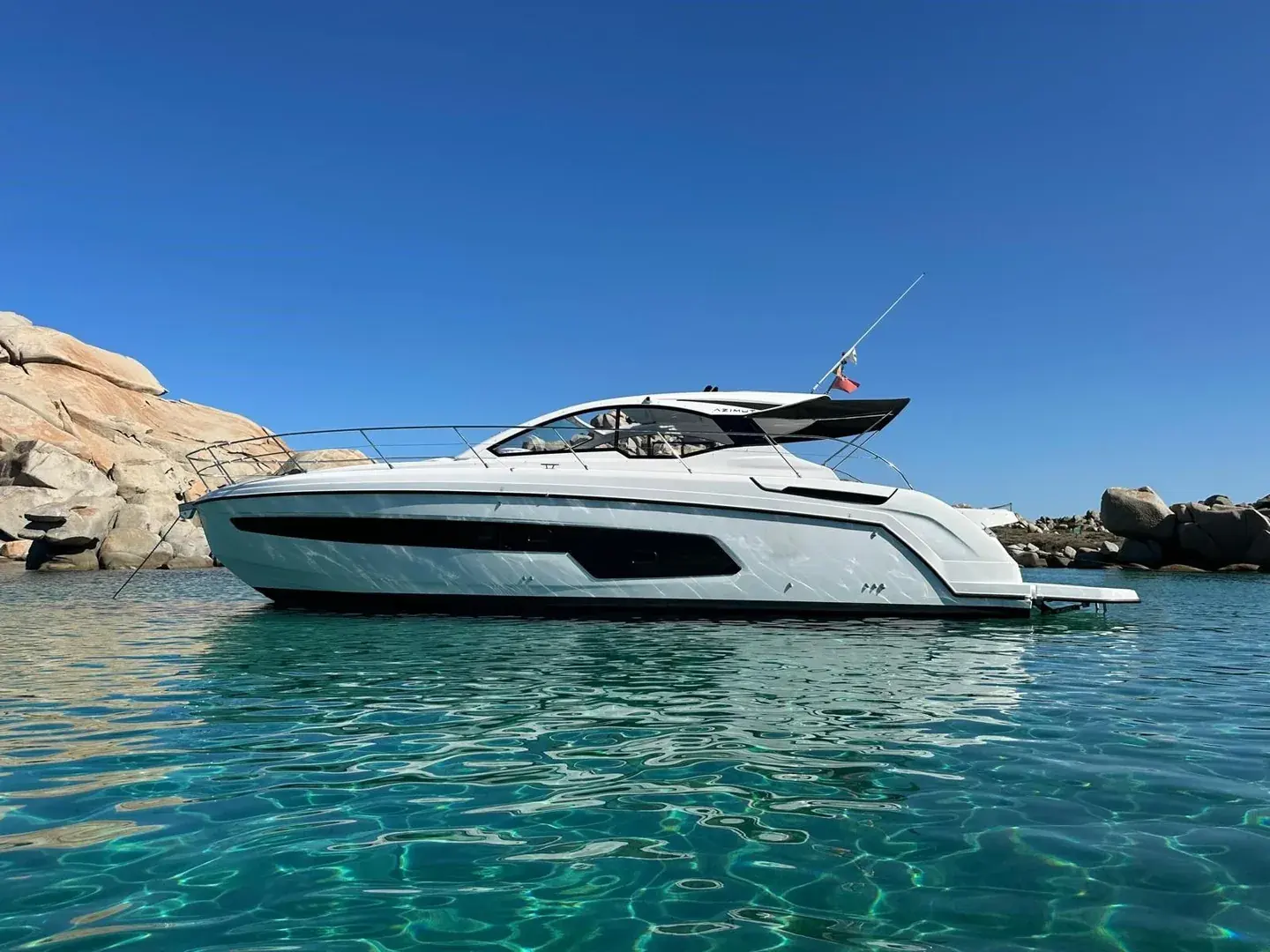
In brief
The Azimut Atlantis 45 is a 14.60 m sport cruiser with two cabins, two heads and twin Volvo Penta IPS propulsion. It suits couples or families prioritising cockpit life, weekends and fast coastal cruising. Its main caveat is complexity: advertised dimensions and engine versions conflict, while pod maintenance and operating costs demand a model-specific survey.
Article outline
Model factsheet
Editorial data from official sources and observed listings. Open only the level of detail you need.
Key facts
- Observed years
- 2019–2026
- Length
- 12.79–14.61 m
- Beam
- 4.2 m
- Draft
- 1.1 m
Specifications and engines
2× Volvo Penta IPS 650 480 hp · 2× Volvo Penta IPS 600 430 hp
Observed prices
Observed asking prices from eligible active Batoo listings in this dossier, grouped by currency. This is not a valuation: taxes, equipment, condition, year and negotiation can change the final price.
Observed listings (3)
Listings form the dossier dataset and may change or become unavailable.
Images come from active Batoo listings and may show different individual boats, years and configurations. Brokers and sellers have not reviewed or approved this dossier. Broker Pro indicates an active subscription, not identity verification, and never guarantees editorial coverage, placement or assessment.
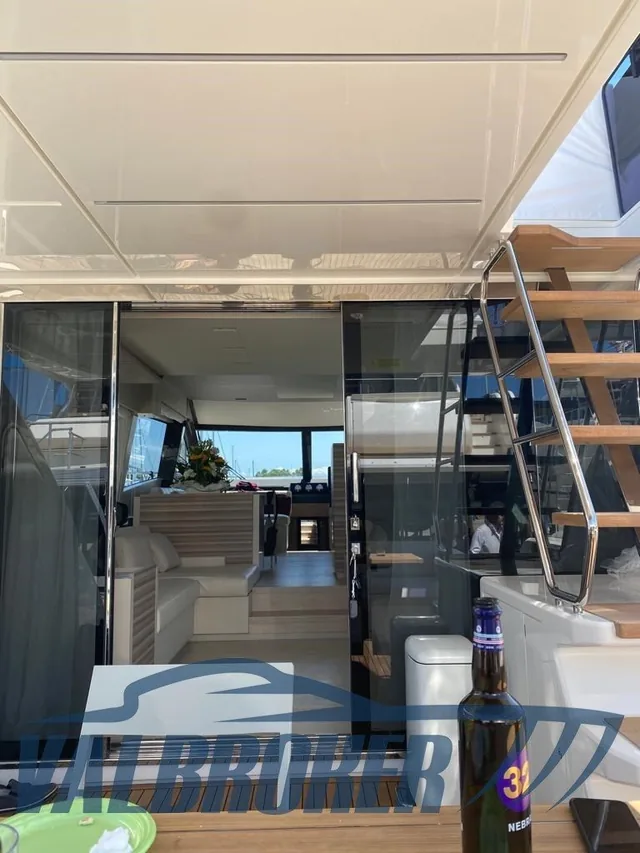
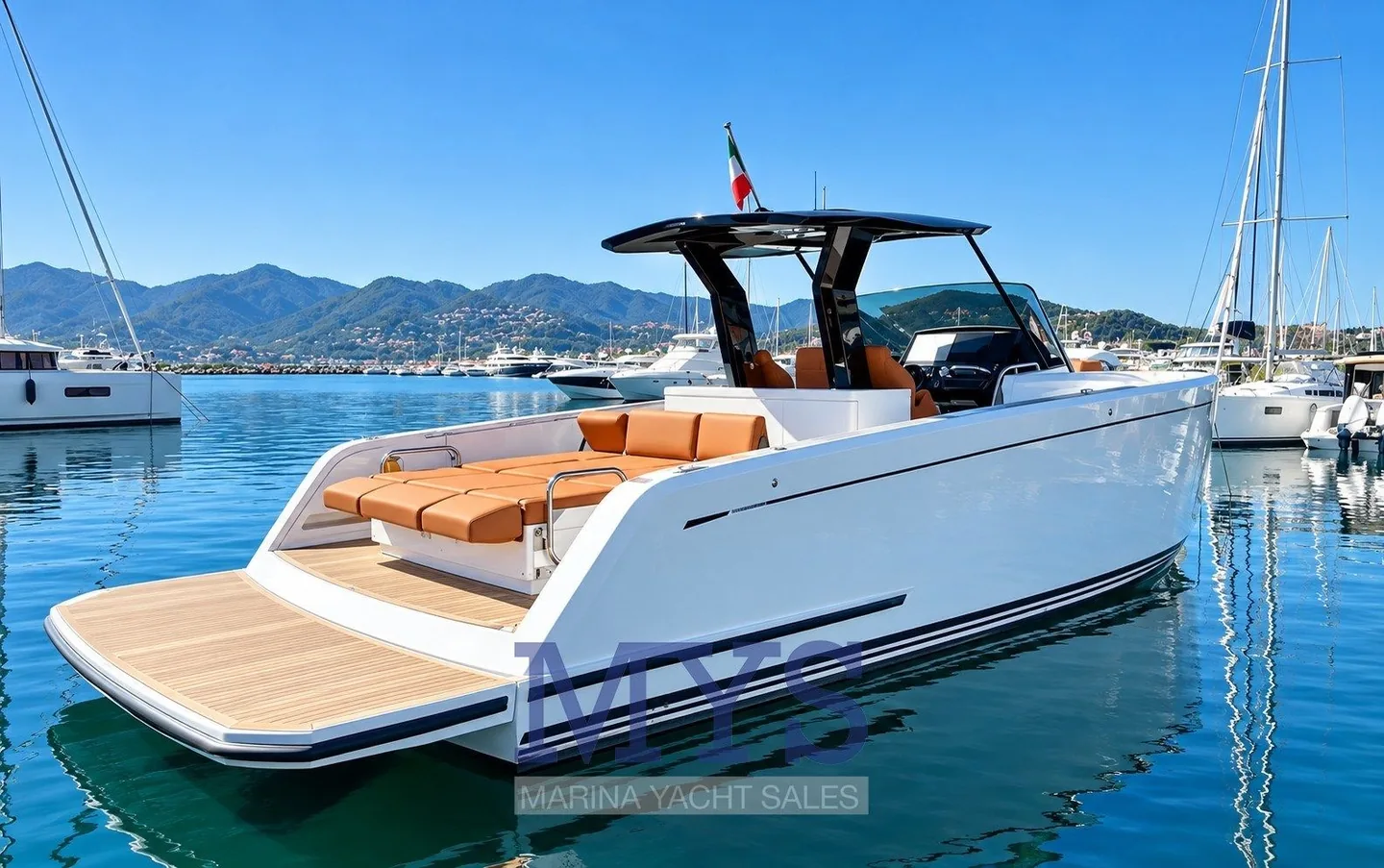
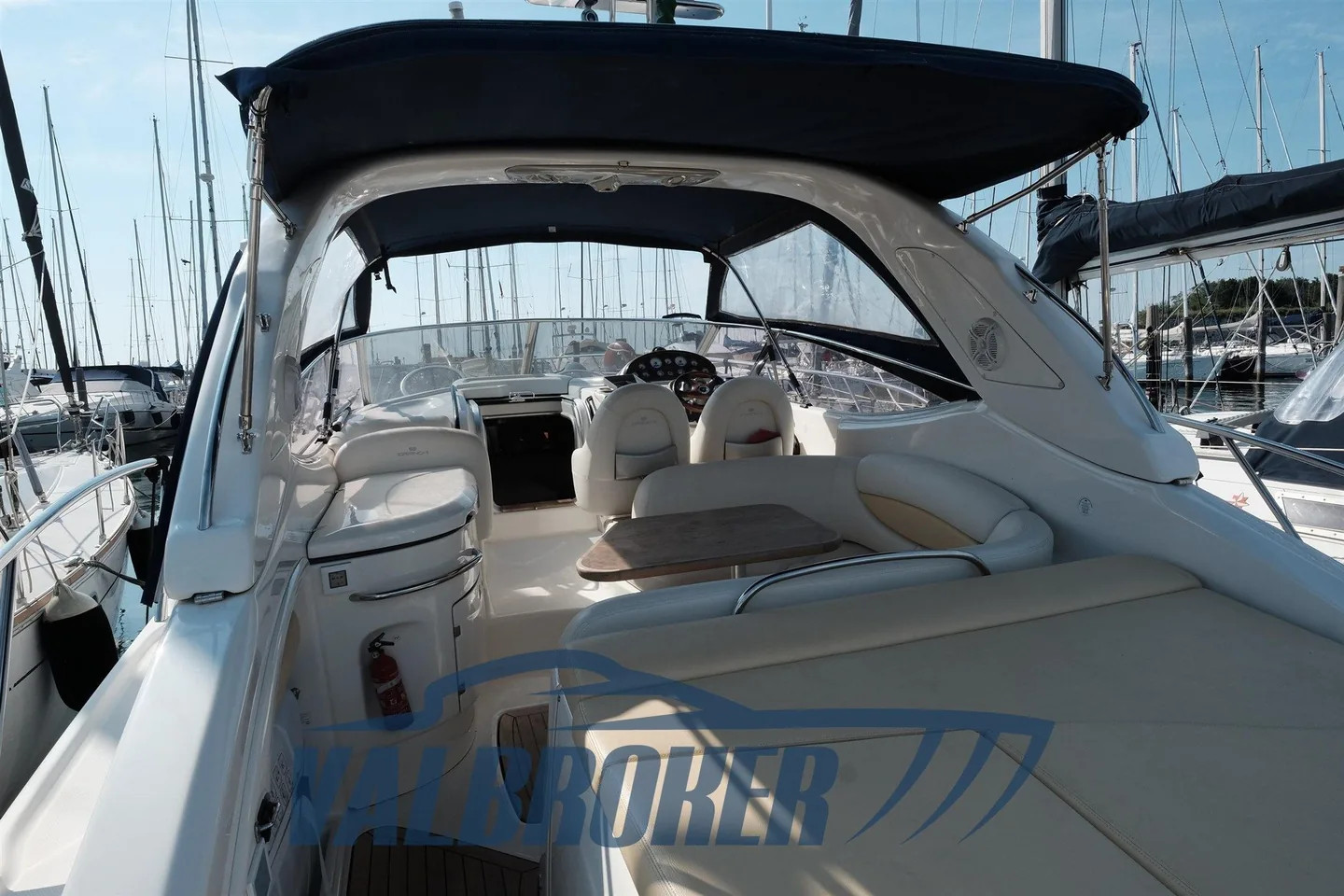
See Atlantis 45 listings on BatooListing photographsReal photographs from listings included in the dossier, with a link to each source.
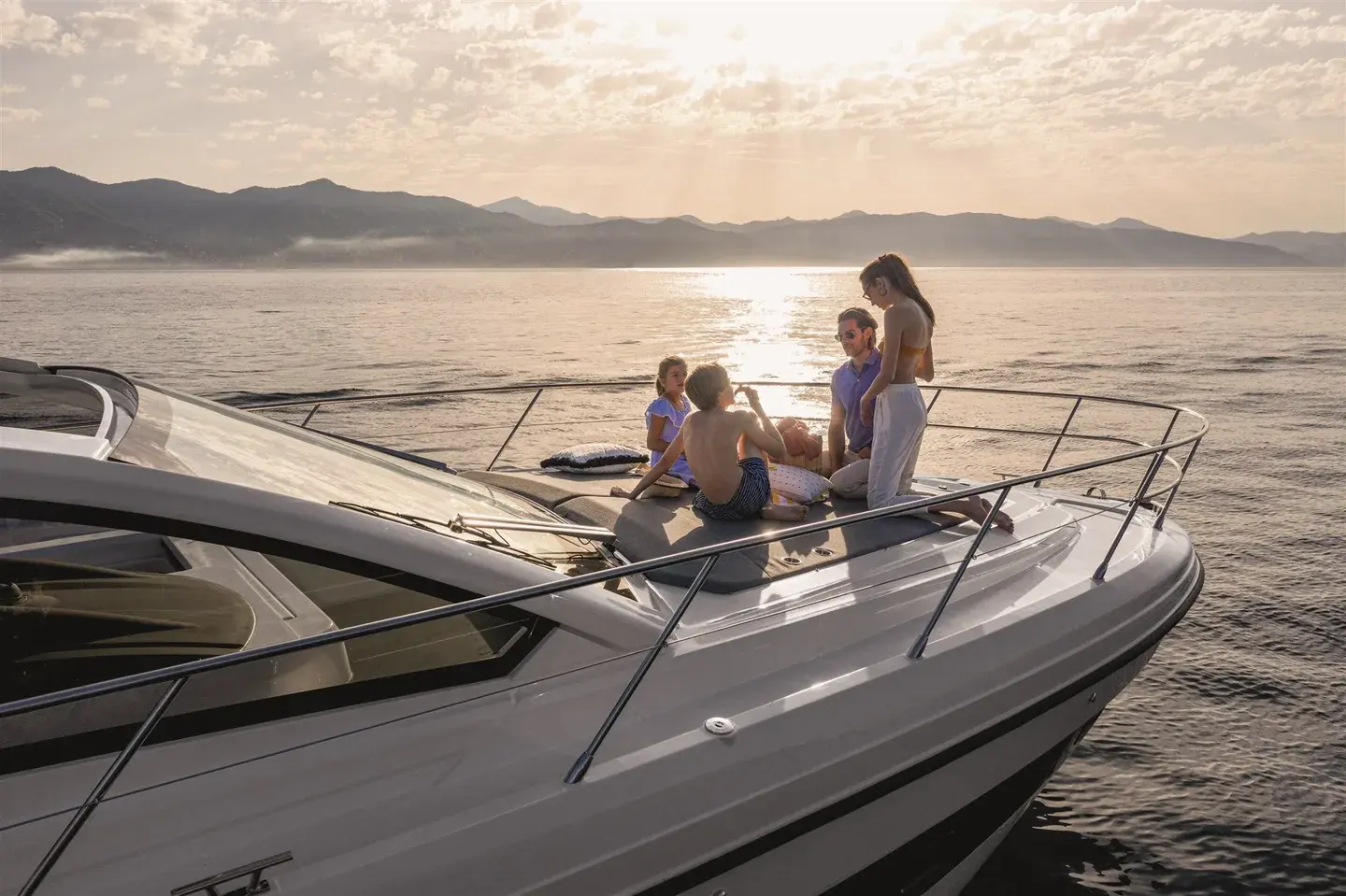
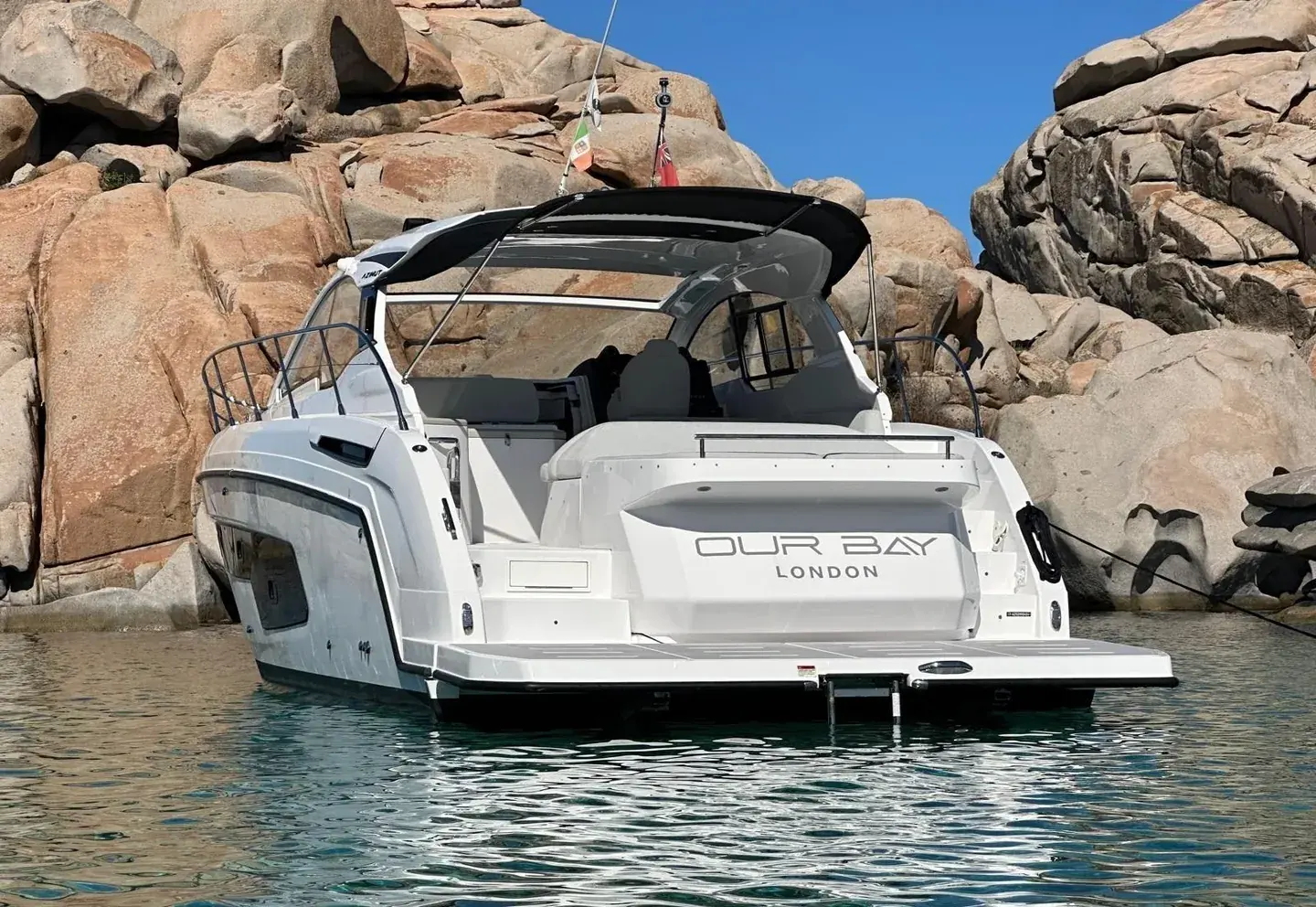
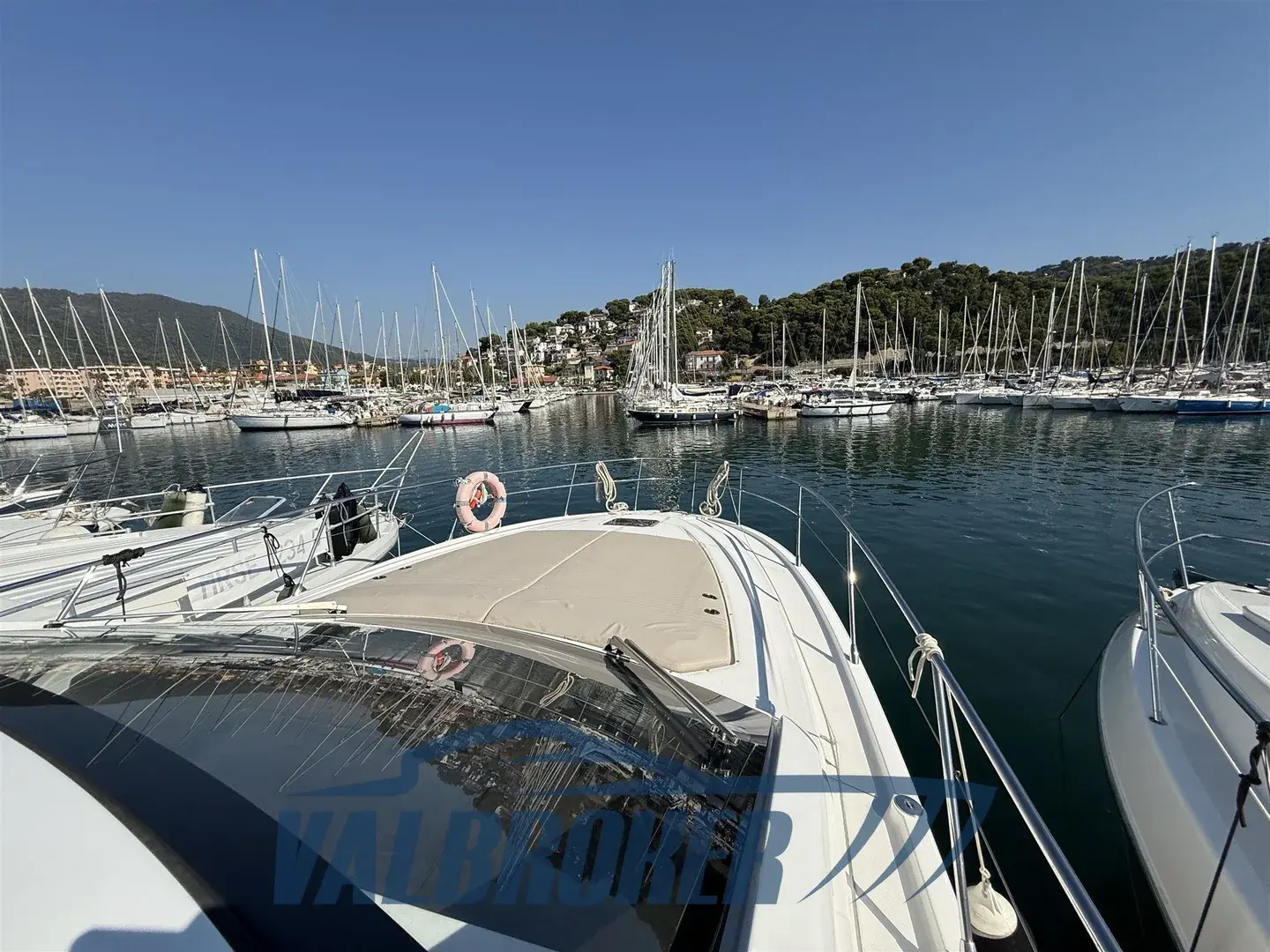
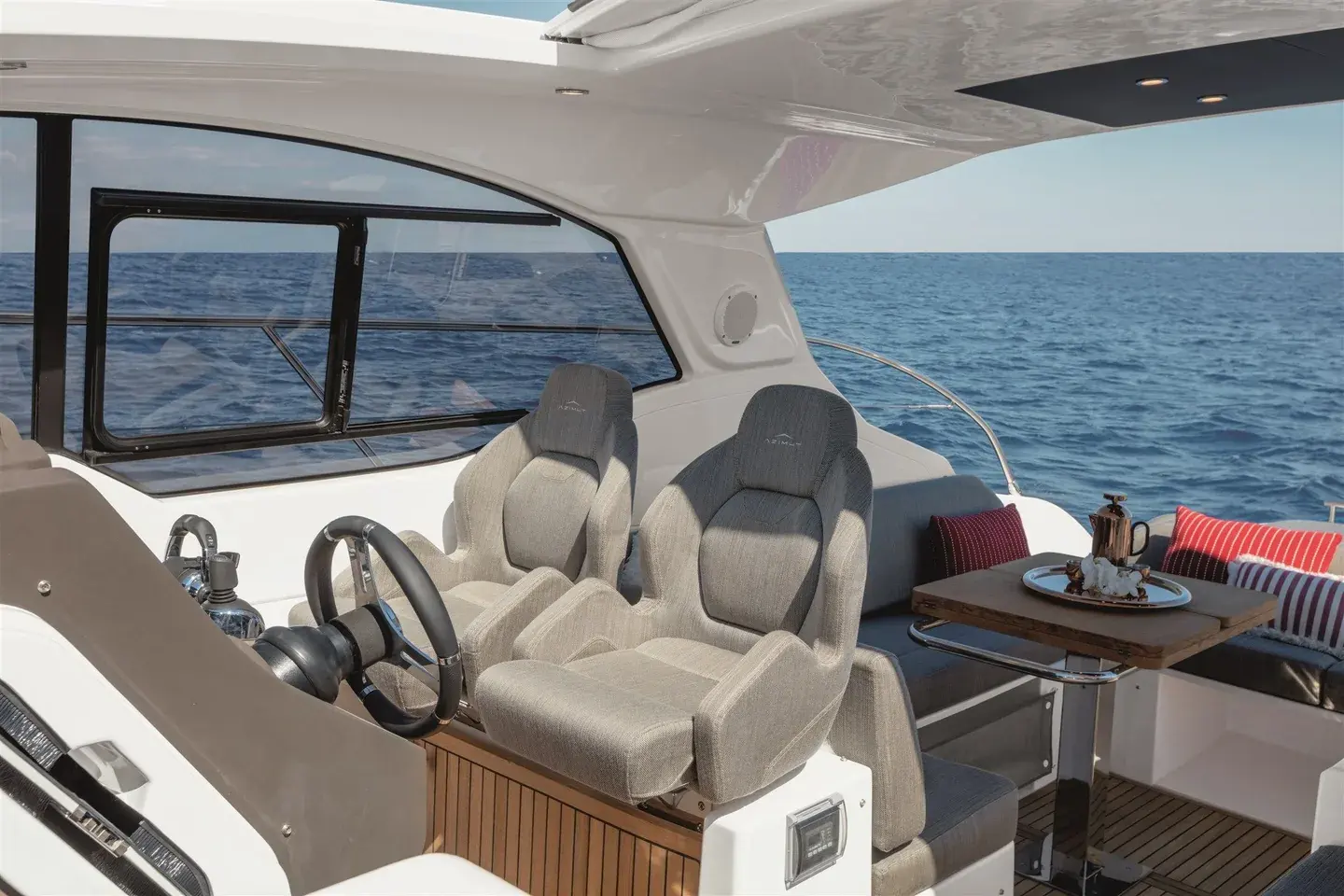
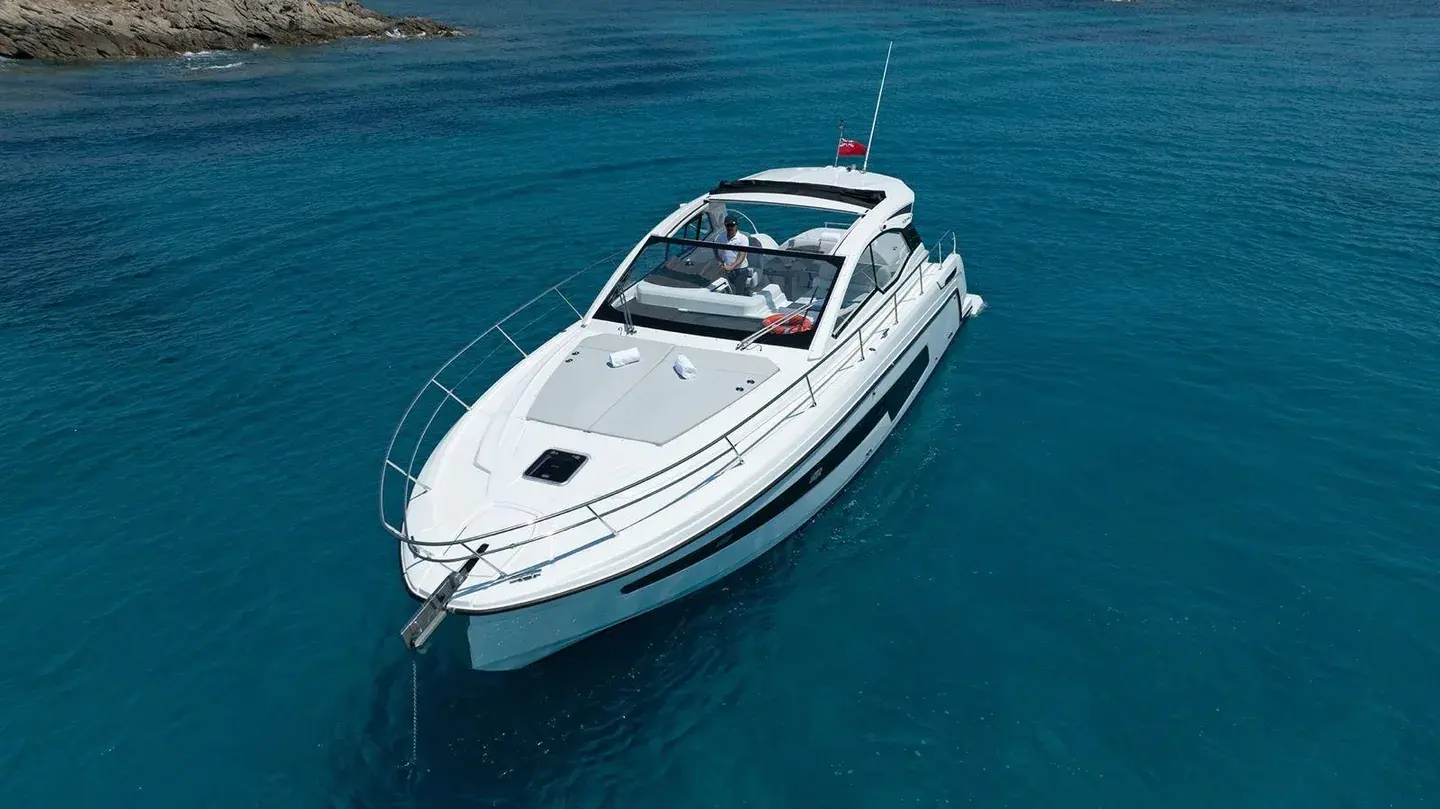
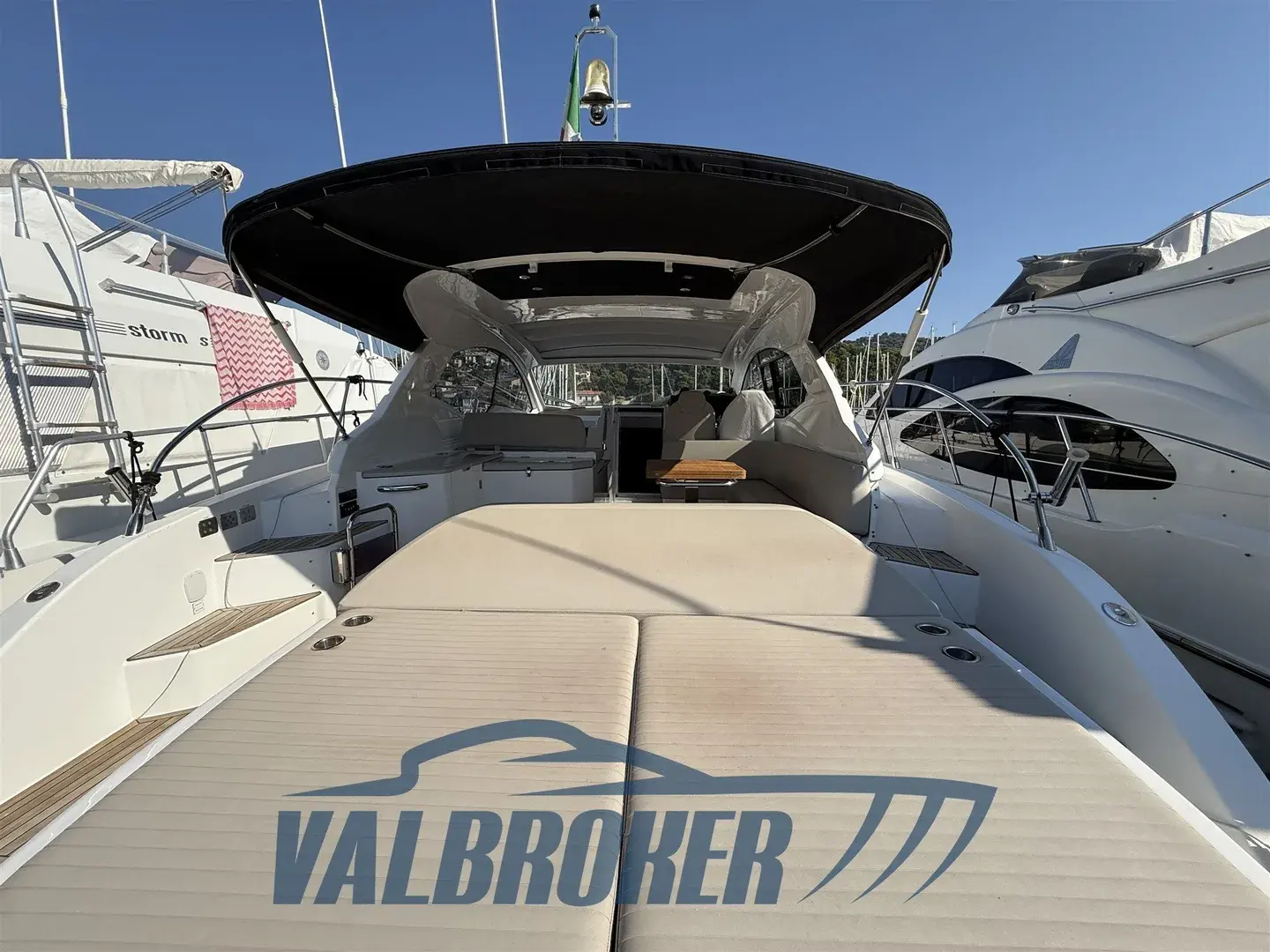
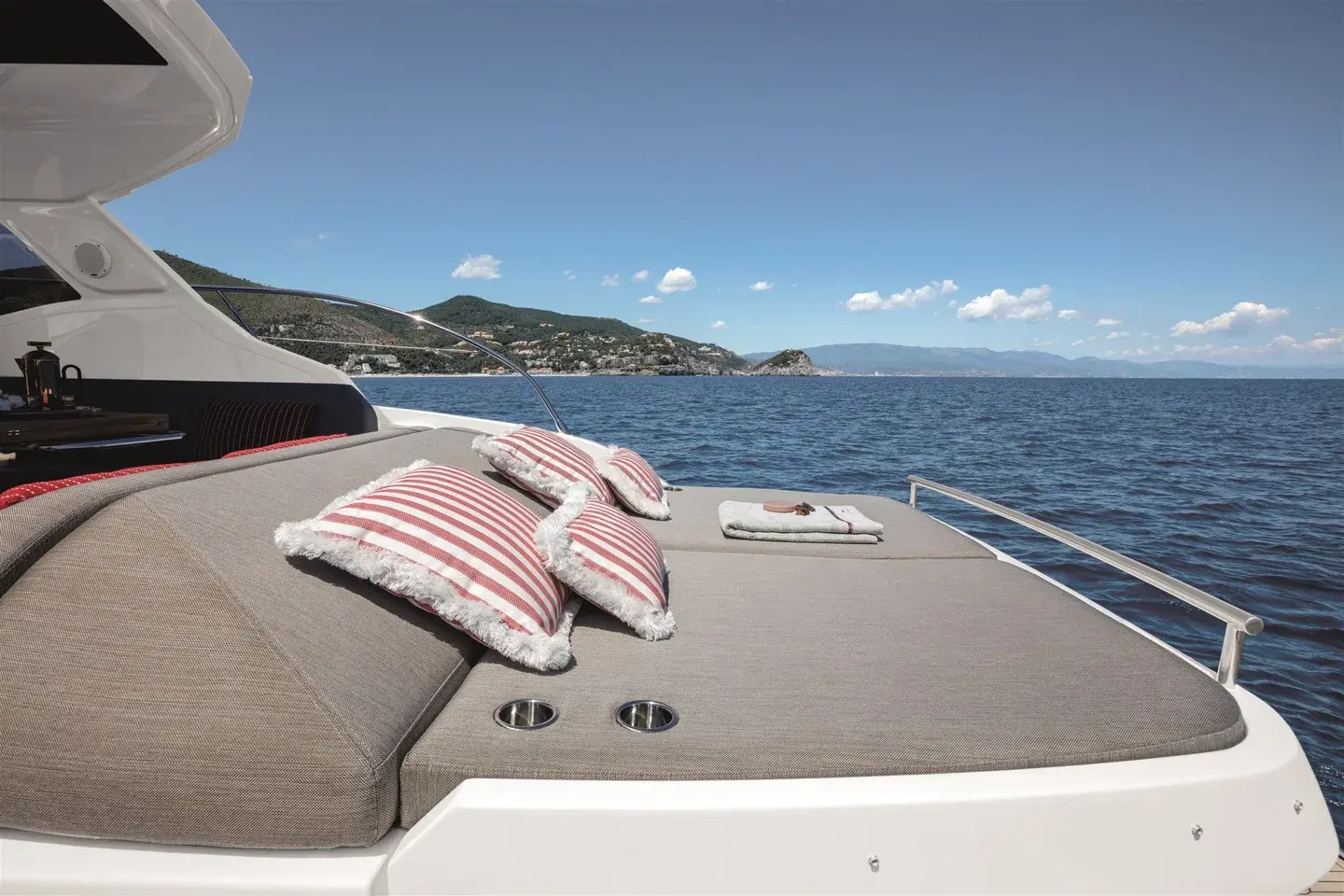
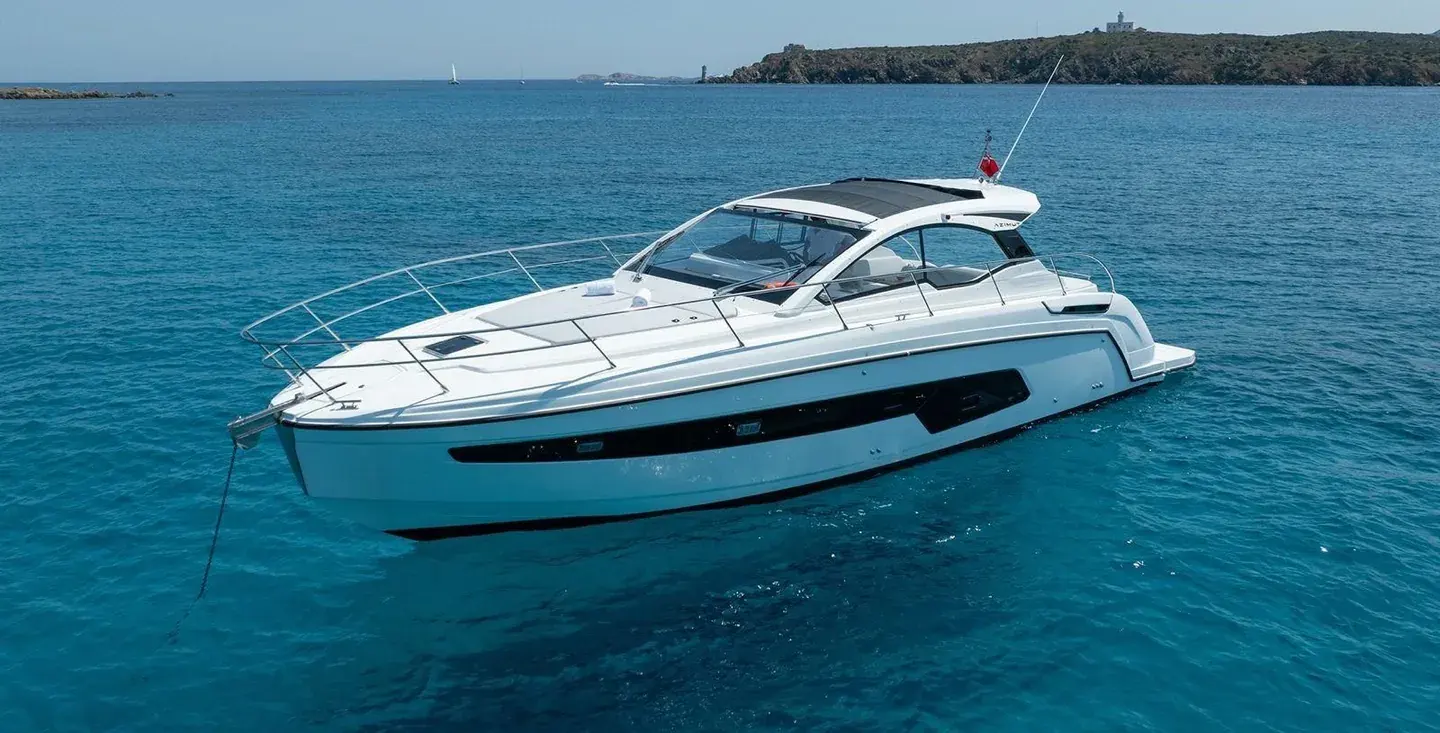
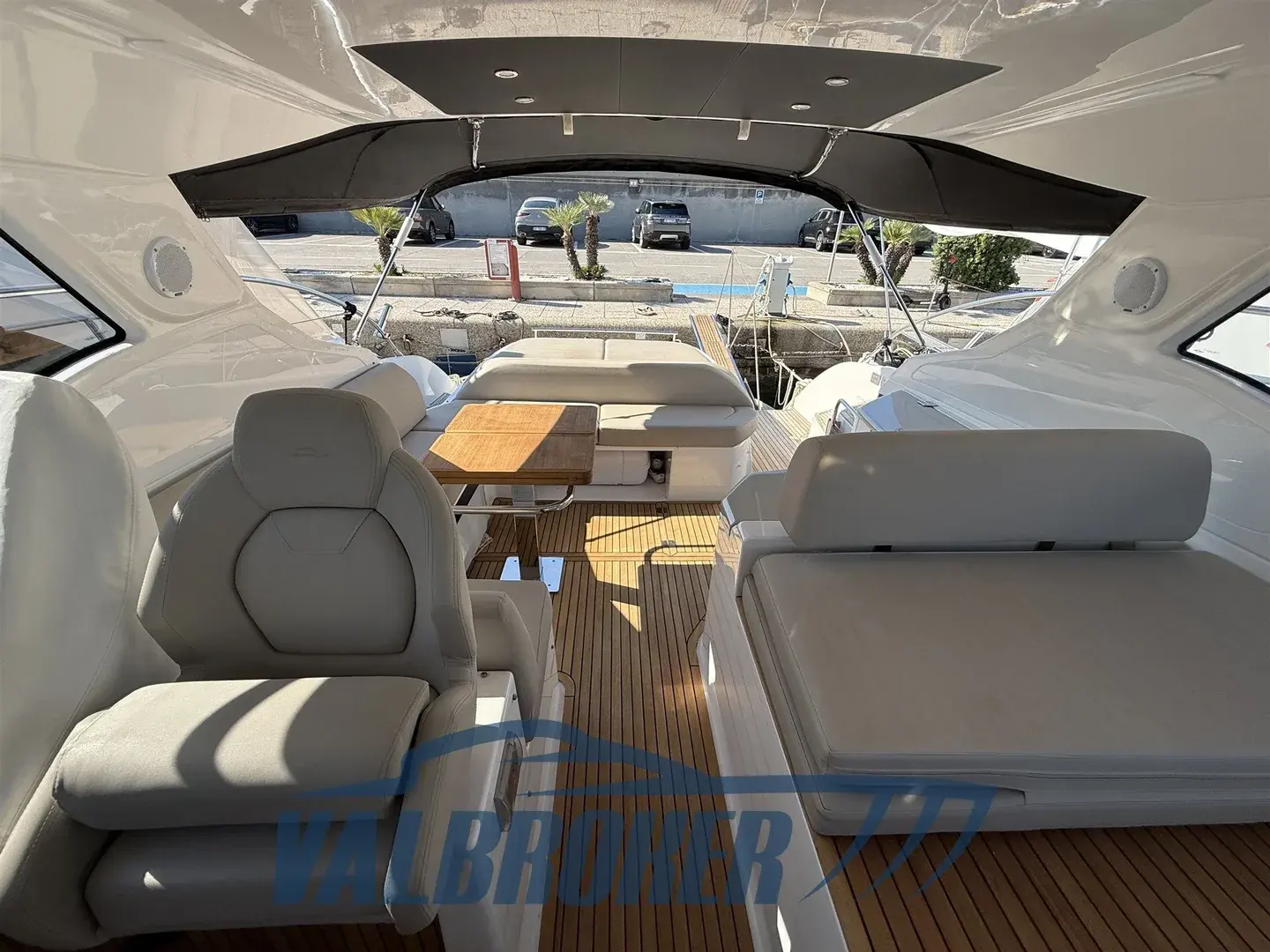
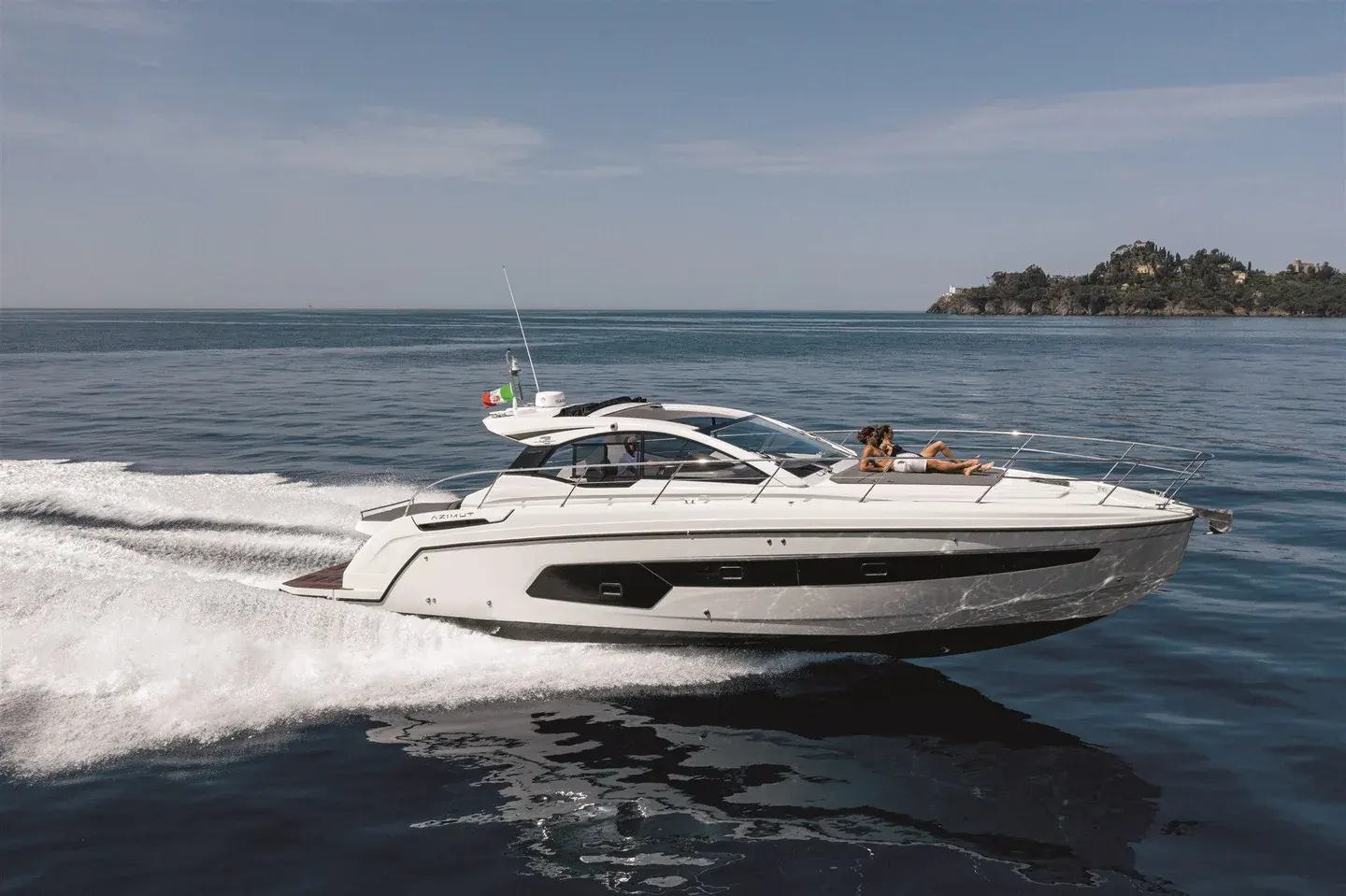
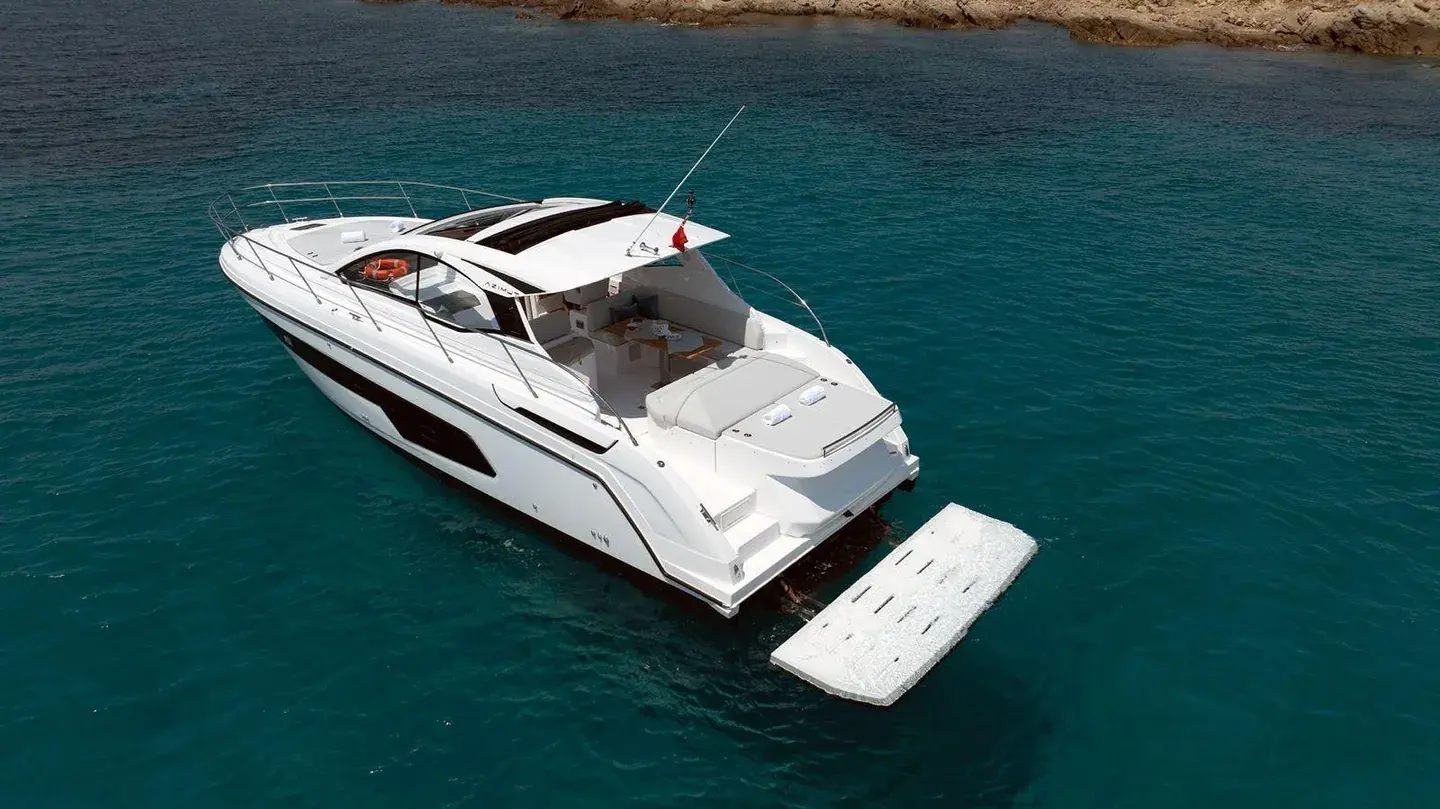
The Azimut Atlantis 45 is a sport cruiser for owners who want a large open cockpit, proper overnight accommodation for four and IPS propulsion without moving up to a permanently crewed yacht. Its appeal is the combination of an outdoor main deck with two cabins and two heads. Its chief caveat is equally clear: a 14.6-metre, 16.6-tonne boat with pod drives demands more berth, maintenance planning and survey depth than a smaller day boat.
Design and the specification baseline
Azimut’s current data sheet gives a 14.60 m length overall including the pulpit, 4.20 m maximum beam, 1.10 m full-load draft including the propellers and 16.6 tonnes full-load displacement. Construction is GRP, with a semi-planing hull and 15-degree aft deadrise. Neo Design is credited for the exterior, Azimut Yachts for the interior and the Azimut-Benetti R&D Department for the hull.
| Item | Current official figure | Used-boat question |
|---|---|---|
| Length overall | 14.60 m including pulpit | which measurement governs the berth or haulage contract? |
| Maximum beam | 4.20 m | can the berth and lifting equipment accept it? |
| Draft | 1.10 m at full load, props included | what is the real loaded condition? |
| Displacement | 16.6 t at full load | what have options and stores added? |
| Capacities | 1,000 l fuel; 350 l water | are tanks, senders and pipework sound? |
| Accommodation | 2 cabins, 4 berths, 2 heads | which optional berths are actually fitted? |
These are builder figures under stated UNI ISO 8666 conditions, not measurements of any used example. The one-level main deck connects the aft sunpad, cockpit and helm area, while the lower-deck galley and dinette form a central living zone. The second cabin can use sliding twin berths, and an additional berth is configuration-dependent. Buyers should test movement with doors, table and luggage in realistic positions rather than treating a plan drawing as proof of comfort.
Engines, performance and model-year uncertainty
The current factory configuration is twin Volvo Penta IPS 650 units rated at 480 hp each. Azimut publishes up to 35 knots at test load and a 30-knot cruise figure at performance-test mass. Those are not Batoo test results and cannot be promised for an individual boat; loading, hull condition, propellers, weather and maintenance all matter. The consulted factory page supplies no consumption curve, so range calculations would be speculative.
The dossier’s three Batoo offers are not identical. The 2024 and 2026 advertised years list twin 480 hp IPS 650 installations, while the 2019 advertised boat lists twin 430 hp IPS 600 units. Volvo Penta’s current D6 page assigns 440 hp to IPS600 and 480 hp to IPS650. The 430/440 hp mismatch may reflect an earlier generation, commercial naming or a listing error, but it cannot be resolved without engine serial numbers, build documentation and the individual craft’s conformity paperwork.
Length also conflicts. Offer data range from 12.79 to 14.61 m, while Azimut defines the present overall measurement as 14.60 m including the pulpit. Averaging those figures would conceal the issue. The shorter number may use another convention, yet the evidence does not establish that; marinas, carriers and insurers should work from the boat’s own papers and an agreed measurement.
Strengths, compromises and ownership logic
The Atlantis 45’s strongest feature is its dual purpose. It provides an open, sociable daytime platform without sacrificing two separate heads or forcing guests to sleep in the saloon every night. A 4.20 m beam supports that arrangement, and pod propulsion permits a different machinery footprint from conventional shafts. For a couple hosting friends or a family taking coastal breaks, this can be a more useful balance than either a narrow walkaround or a more enclosed flybridge boat.
IPS can make close-quarters handling more intuitive when the joystick, steering, software and sensors are healthy. It does not remove windage, current or the momentum of a heavy boat. Pods also introduce submerged gear, seals, lubricants, electronics and scheduled operations that deserve specific inspection. Evidence of grounding or deferred service can materially change an apparently attractive purchase.
The performance headline needs context. A published 30-knot cruise speed supports fast passage planning, but it does not reveal litres per nautical mile, safe range or annual fuel cost. A useful sea trial records load, tank levels, sea state, engine rpm, GPS speed and both engines’ displayed fuel flow. Comparisons should be made at like-for-like conditions, not against brochure maxima.
Ideal use and the used-boat inspection
This model best suits fast coastal cruising, long weekends and day use with several guests, especially for owners who value cockpit life above a large enclosed saloon. It is less persuasive for slow long-range passagemaking, very low maintenance budgets or buyers who need the volume and separation of a flybridge. A realistic ownership plan should include the normal crew size, tender, water toys, nights at anchor, air-conditioning demand and access to competent IPS support.
A survey should reconcile build year, model year, HIN/CIN, engine identity and drive serial numbers. Hull moisture and repairs, the hull-to-deck joint, hard-top, curved glazing, drains and hydraulic platform equipment all merit close attention. Machinery-space checks should cover leaks, corrosion, mountings, hoses, batteries, charging, generator and climate equipment where fitted.
For the IPS drives, ask for dated invoices covering oil, filters, anodes, propellers, seals and prescribed inspections. Haul the boat to look for impact damage, galvanic corrosion and abnormal play. The sea trial should include a cold start, controlled full-load operation when conditions allow, steering, astern engagement, vibration and joystick manoeuvres. The dossier’s advertised engine-hour readings—230, 295 and 1—are listing data, not Batoo-verified readings; compare them with ECUs, displays and service records.
Four alternatives worth a structured comparison
| Alternative | Why it belongs on the list | Main comparison point |
|---|---|---|
| Cranchi M44 HT | Italian hard-top cruiser with overnight intent | year-specific layout, engines and interior volume |
| Pardo 43 | day-oriented walkaround deck | weather protection and below-deck privacy |
| Fjord 44 Open | strong outdoor circulation and social use | exposure, equipment and local support |
| Jeanneau DB/43 | contemporary family/day-cruiser mix | propulsion choices, availability and specification |
This is a comparison set, not a ranking, and the boats are not exact substitutes. Year, VAT position, options, hours, service record and location must be aligned before price means anything. Batoo analysis favours the Atlantis when both cabins and both heads will be used regularly; if the accommodation remains mostly empty, a simpler day boat may deliver more value per operating euro.
Observed asking prices and methodology
On 29 August 2026, the dossier contained three active Italian Batoo offers. Two disclosed euro asking prices: €599,000 for an advertised 2019 example and €680,000 for an advertised 2024 example. The advertised 2026 boat had no stated amount. The observed range is therefore €599,000–€680,000 from a sample of two asks, not a valuation, sold-price series or market average.
VAT treatment, equipment, condition, year, hours, impending work and negotiation can all alter the final transaction. The €81,000 spread cannot isolate depreciation because the sample is tiny and the propulsion descriptions differ. A buyer should add survey, immediate remediation, berth, insurance and scheduled maintenance to the purchase figure before comparing ownership cases.
Images come from current Batoo listings and may show different individual boats, years and configurations. Brokers and sellers have not reviewed, validated or approved this dossier. Broker Pro means an active Batoo subscription only; it is not identity verification and never guarantees editorial coverage, ranking, a positive assessment or inclusion in the stable article body. Active subscription, identity verification, offer freshness and editorial eligibility remain four separate signals; the dossier reports zero identity-verified offers.
Sources and references
Sources consulted and references retained to verify data and context.