Fairline Phantom 50: dimensions, variants and used buying
An independent Fairline Phantom 50 analysis covering version-specific dimensions and engines, ideal use, used-boat checks, alternatives and observed asking prices.
In brief
The Fairline Phantom 50 is a three-cabin GRP flybridge suited to families or couples wanting separate cruising spaces and two helm stations. Its main caveat is age: dimensions, 675 or 715 hp engines, systems and maintenance differ between boats, so documentation, an independent survey and a sea trial matter more than the model name.
Article outline
Model factsheet
Editorial data from official sources and observed listings. Open only the level of detail you need.
Key facts
- Observed years
- 2003–2006
- Length
- 15.2–15.79 m
- Beam
- 4.4–4.49 m
- Draft
- 1.21 m
Specifications and engines
2× Volvo Penta D12 715 hp · 2× Volvo Penta D12 715 hp · 2× Volvo Penta D12 675 hp
Observed prices
Observed asking prices from eligible active Batoo listings in this dossier, grouped by currency. This is not a valuation: taxes, equipment, condition, year and negotiation can change the final price.
Observed listings (3)
Listings form the dossier dataset and may change or become unavailable.
Images come from active Batoo listings and may show different individual boats, years and configurations. Brokers and sellers have not reviewed or approved this dossier. Broker Pro indicates an active subscription, not identity verification, and never guarantees editorial coverage, placement or assessment.
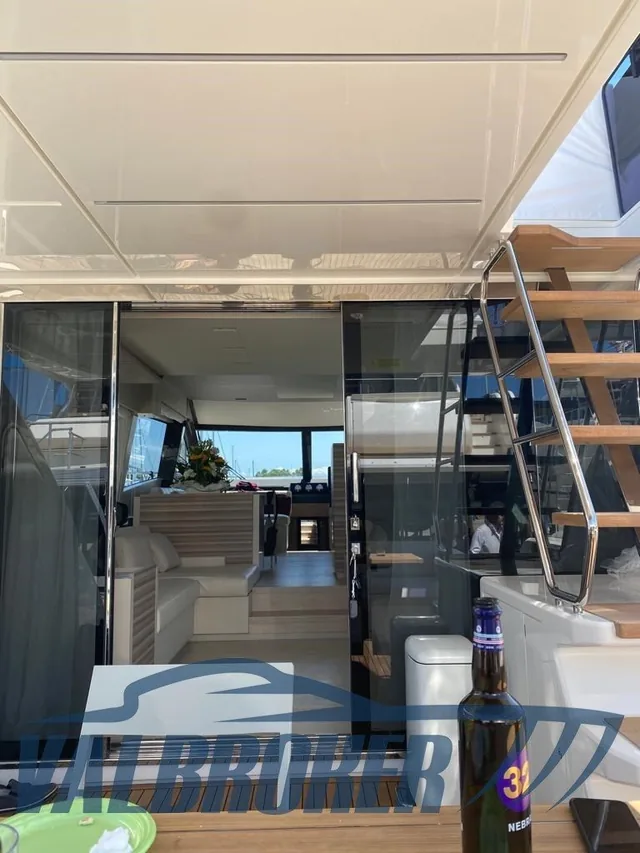
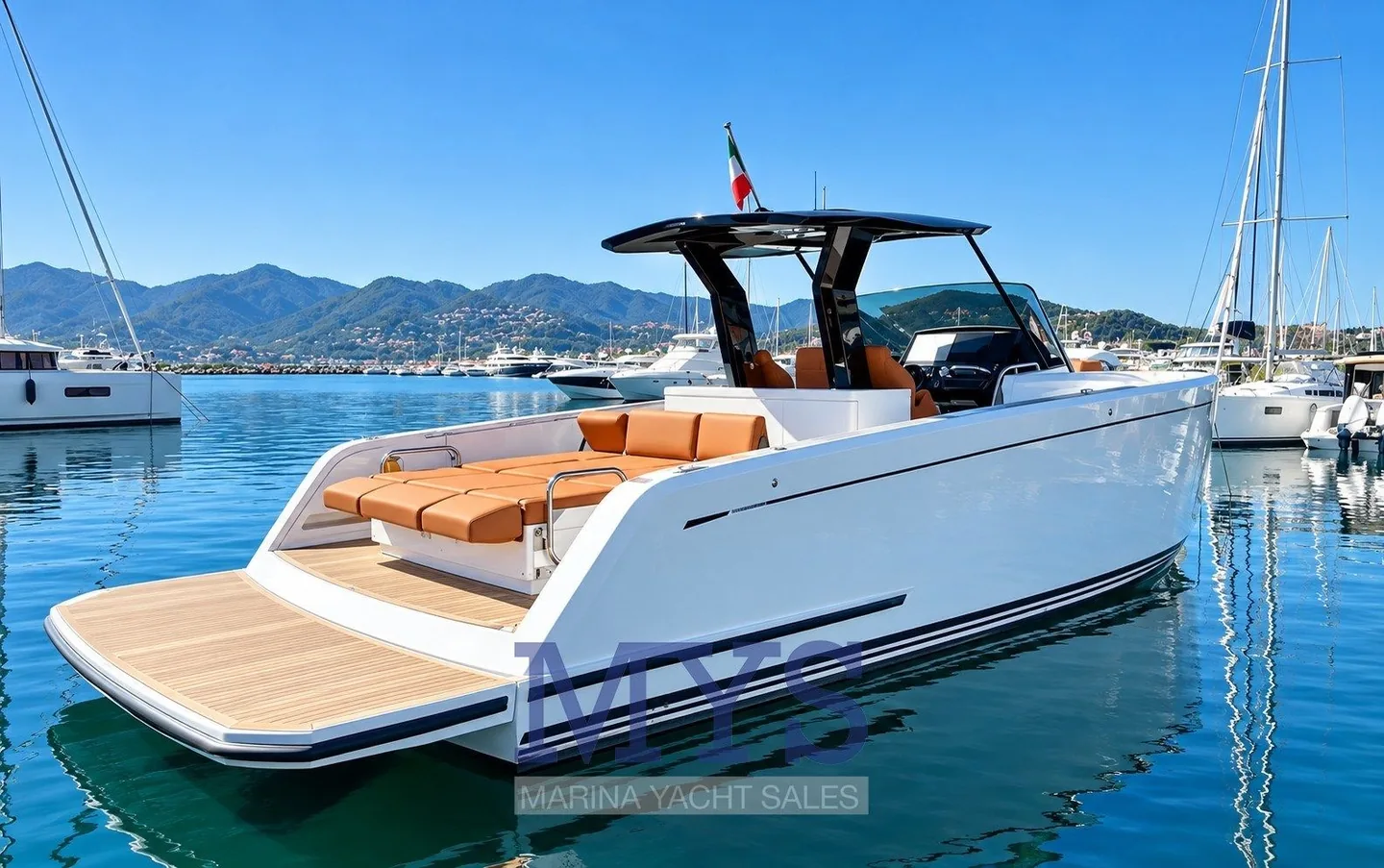
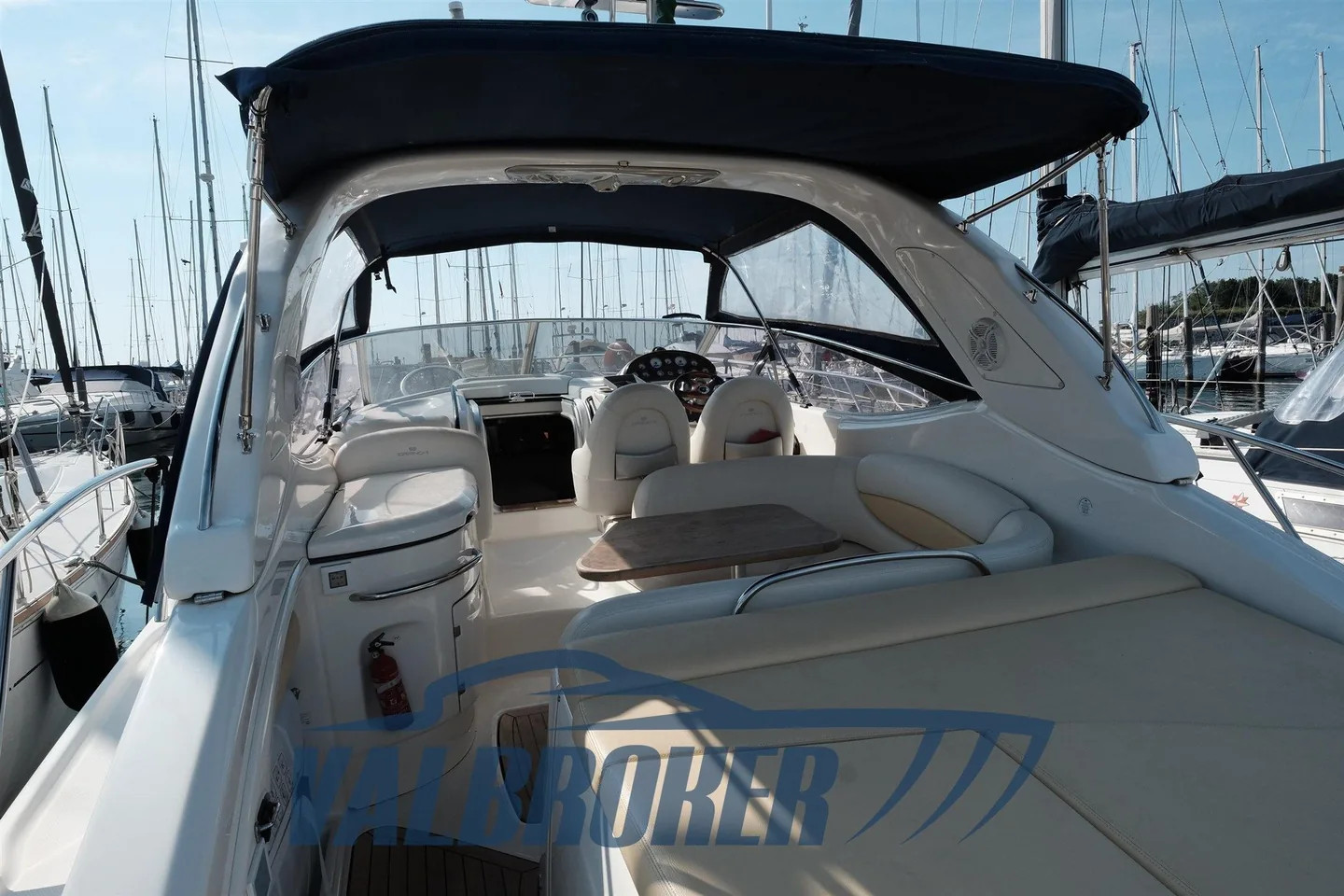
See Phantom 50 listings on BatooListing photographsReal photographs from listings included in the dossier, with a link to each source.
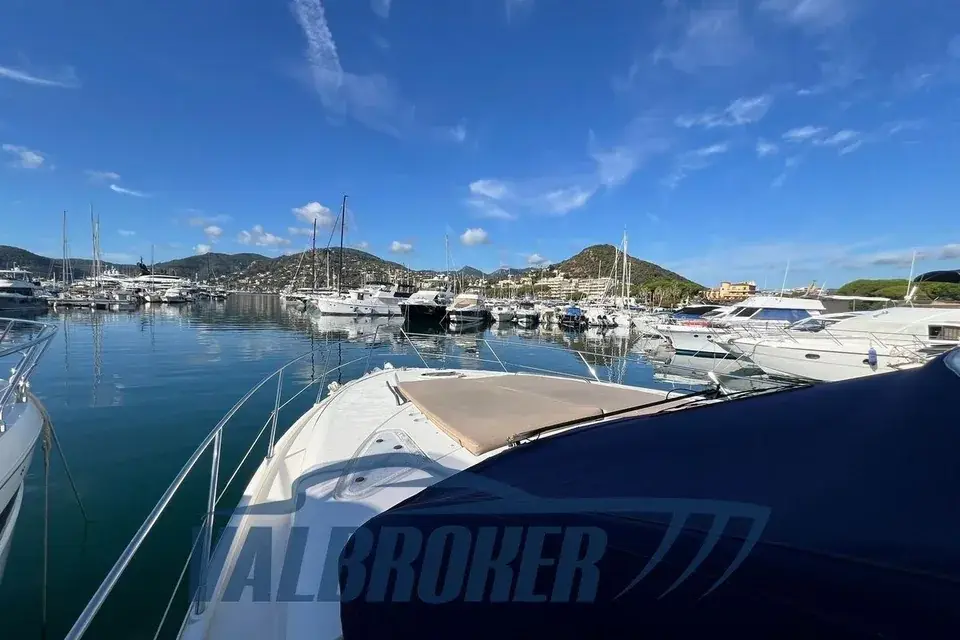
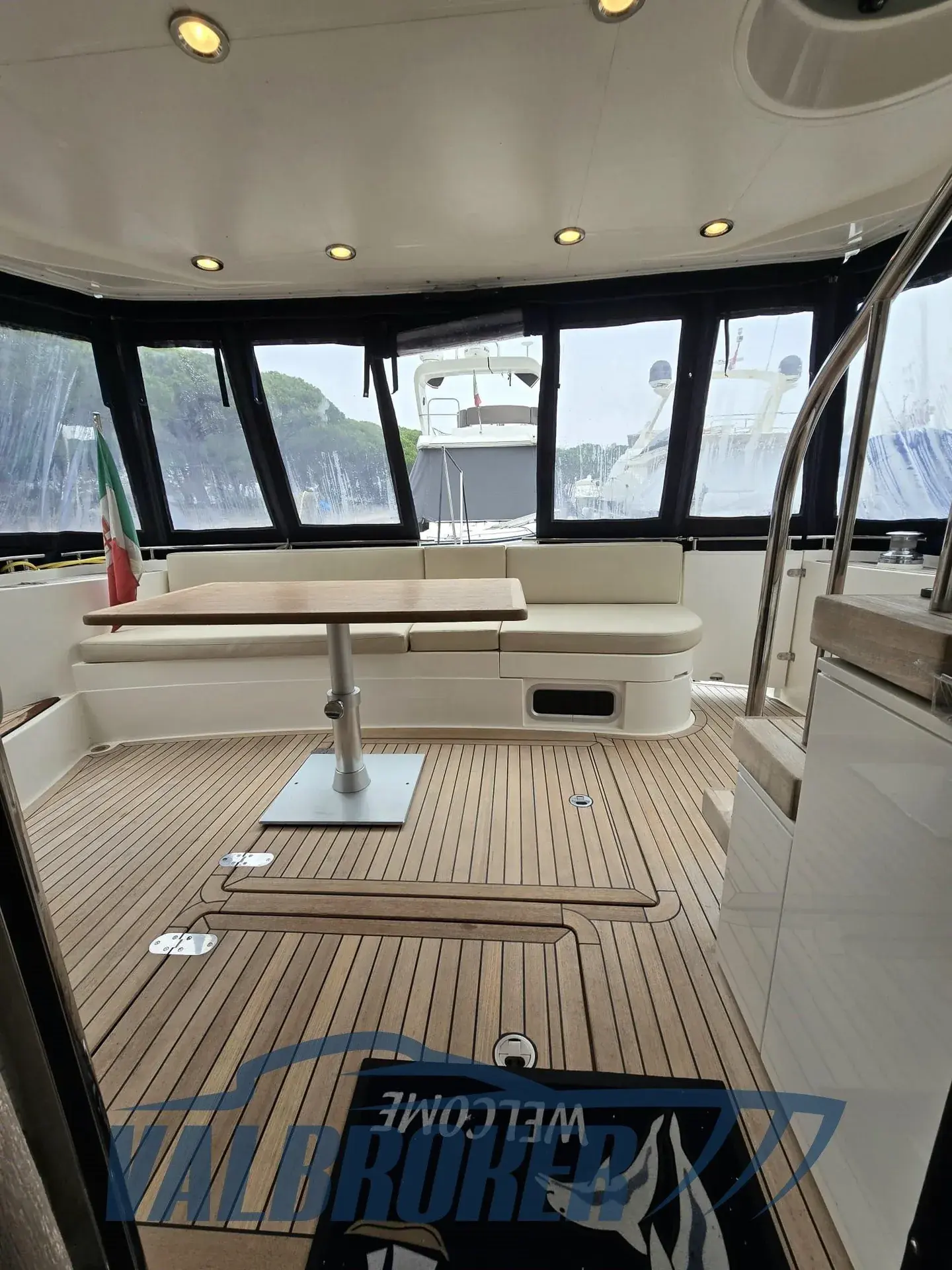
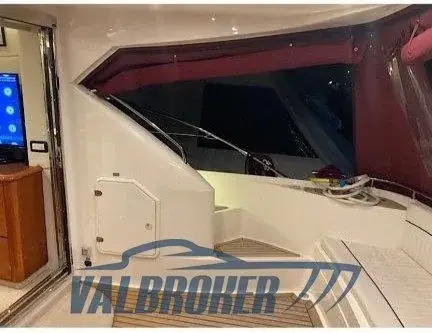
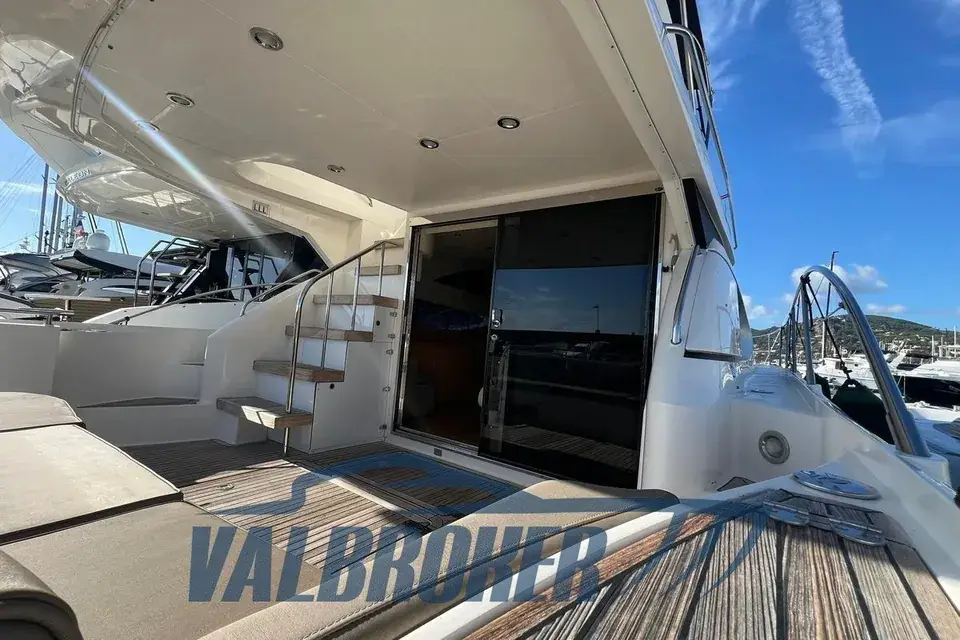
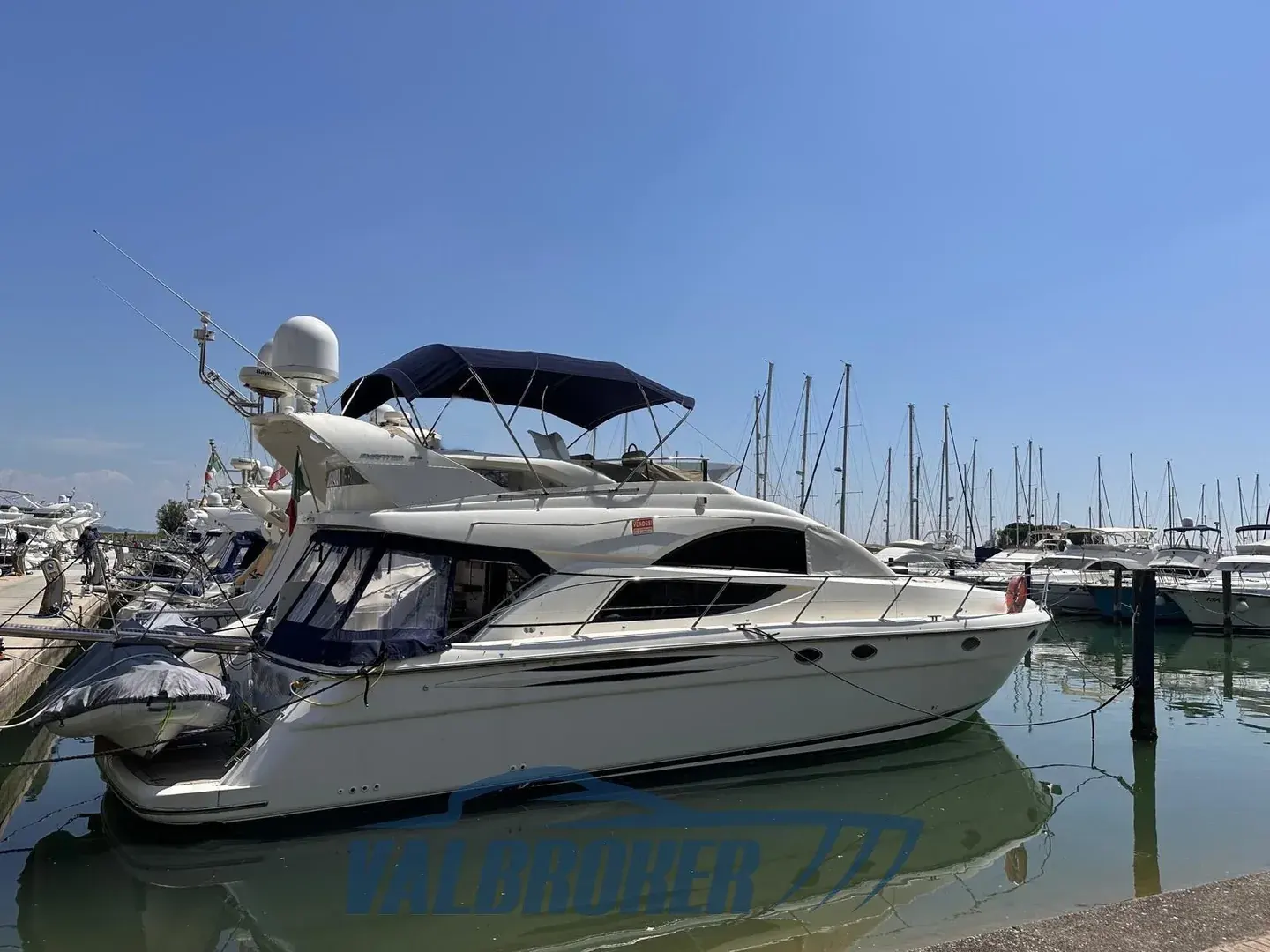
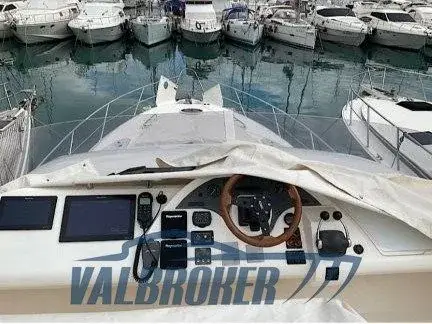
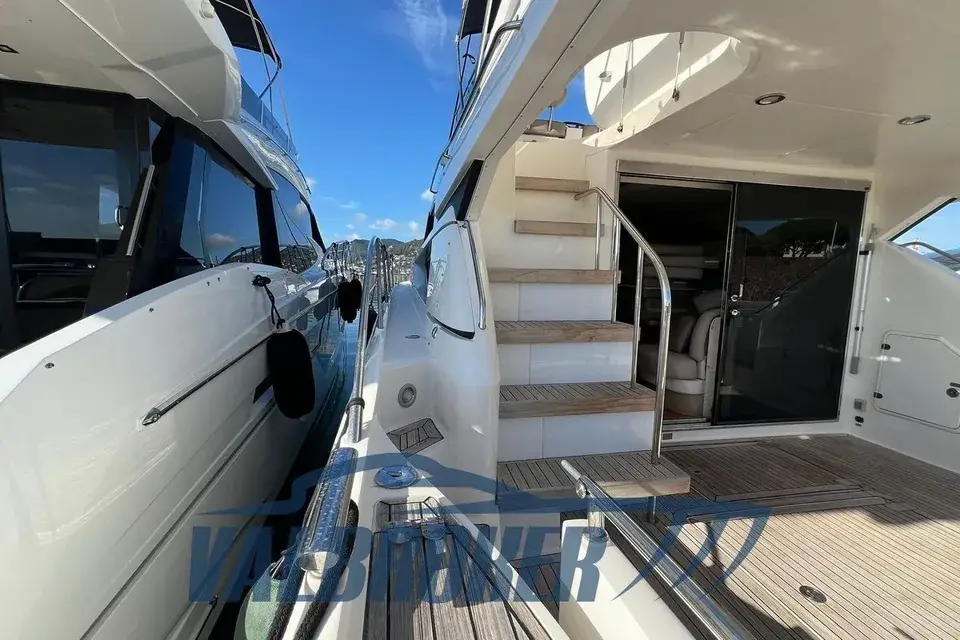
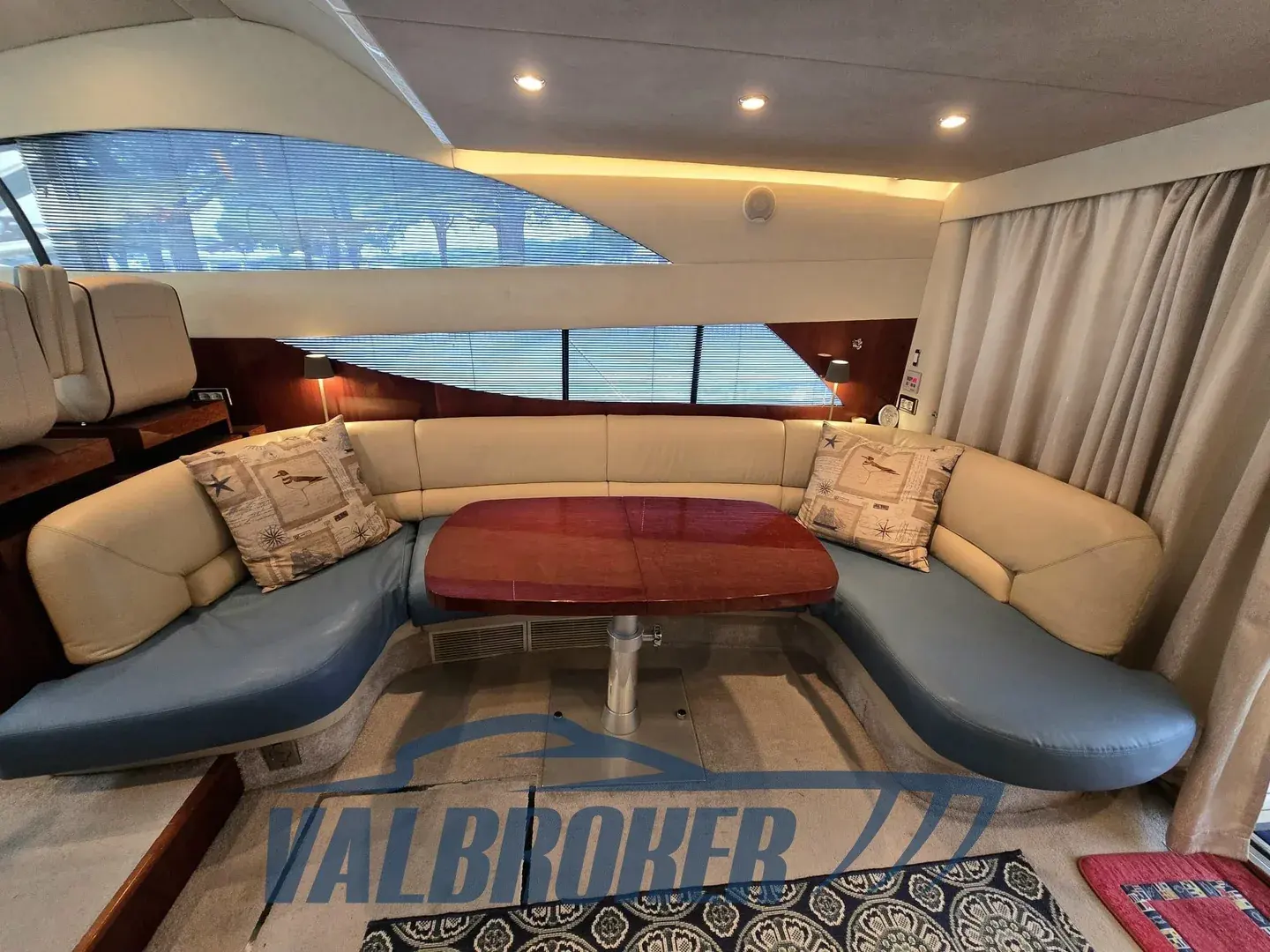
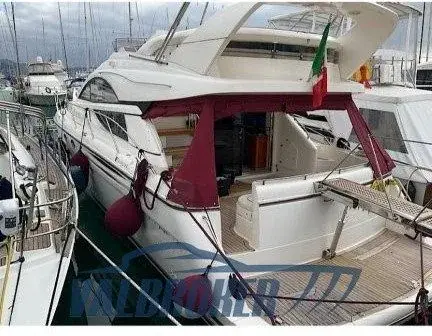
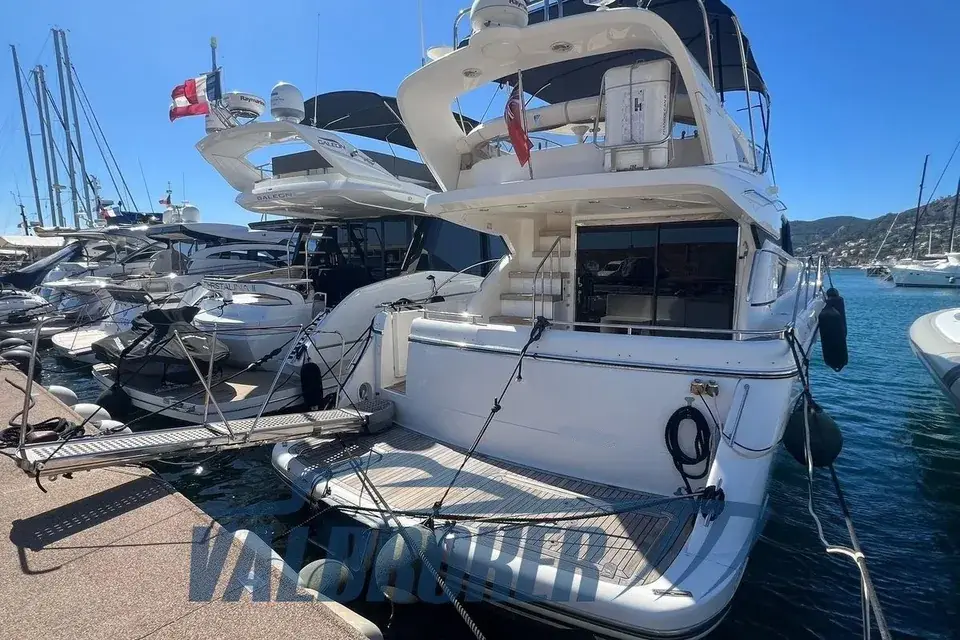
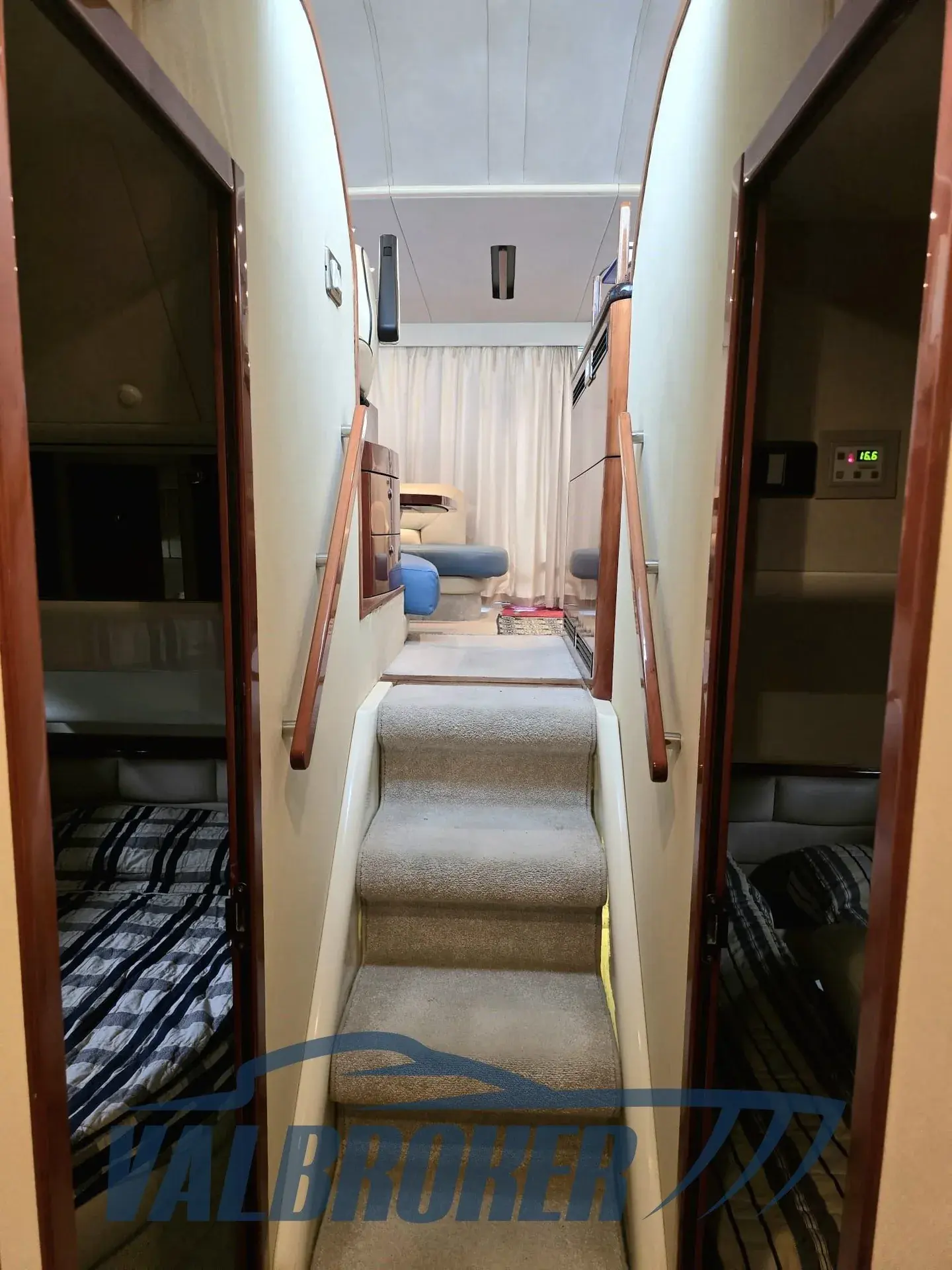
The Fairline Phantom 50 is best understood as a British flybridge motor yacht of roughly sixteen metres, built for family cruising rather than as one immutable specification sheet. The observed boats date from 2003, 2004 and 2006. Their declared power, dimensions and equipment differ, while the common proposition is a GRP, shaft-driven yacht with three cabins and an upper helm.
Design, dimensions and documented variants
The underlying design combines a planing V-form hull, an enclosed lower helm and a social flybridge. Archived technical material attributes the hull work to Bernard Olesinski with Fairline's design team, describing a deep V forward and an 18-degree deadrise aft. Those facts explain the intended balance between accommodation and fast cruising, but they do not prove the speed or behaviour of a particular used boat.
| Item | Documented figure | Buying interpretation |
|---|---|---|
| Hull length | 15.24 m | distinct from overall length |
| Length overall | 15.79 m | the broader published envelope |
| Beam | 4.49 m | listings may round to 4.40–4.50 m |
| Draft | 1.21 m unloaded | actual loaded draft needs confirmation |
| Approximate dry weight | 17,300 kg | not an operating displacement for every boat |
| Documented fuel capacity | 1,980 l | tanks and gauges require inspection |
| Berths | 6–7 | depends on configuration and convertible spaces |
The Batoo dossier contains lengths of 15.20, 15.24 and 15.79 m, plus beams of 4.40 and 4.49 m. Averaging them would create a fictitious number. They may represent registered length, hull length, overall length or rounding, so berth contracts, transport planning and insurance should rely on the individual boat's papers and a physical check.
Power also identifies meaningful variants. The 2003 example declares twin Volvo Penta D12 engines at 675 hp each, whereas the 2004 and 2006 examples declare twin 715 hp units. Volvo Penta's official archive lists both D12-675 and D12-715 within a D12 family manufactured from 2000 to 2010. That verifies the engine variants as products; it does not validate installation, hours or condition aboard any advertised vessel.
Reasoned strengths and limitations
Space planning is the clearest strength. All three Batoo observations record three cabins and two heads, while the flybridge creates a second helm and a separate outdoor living area. For a family or two couples travelling with guests, that division can provide more privacy than an open sports cruiser of similar length.
Conventional shaft drives are also familiar to many marine engineers. Familiarity should not be confused with low cost: two large diesels, shafts, rudders, cooling and exhaust systems, a generator and hotel services make this a substantial maintenance proposition. The advantage is that a surveyor and engine specialist can approach a recognisable mechanical architecture.
The limitations follow from scale and age. Nearly 4.5 m of beam, significant mass and a tall flybridge demand a suitable berth, thoughtful handling in crosswinds and a realistic annual budget. Cosmetic refurbishment cannot establish the state of tanks, wiring, hoses, seacocks or fire systems. Declared engine hours in the dossier span 1,010 to 2,100; hours alone do not measure maintenance quality or remaining life.
Ideal use and the right owner
The Phantom 50 suits owners seeking coastal or medium-range cruising with genuinely separate sleeping spaces, an all-weather lower helm and an upper deck for fair conditions and harbour use. It is a weaker match for minimal running costs, displacement-speed economy or effortless single-handed operation by an inexperienced skipper. Previous experience with a twin-engine motor yacht, or access to professional help, is prudent.
The three-cabin arrangement favours extended stays more than crowded day boating. Nevertheless, permitted persons, design category and required safety gear must come from the individual vessel's documents. A crew cabin, flybridge bar, passerelle, tender handling gear or navigation package may have been optional, removed or replaced during two decades of ownership.
Used-boat checks before commitment
Begin with the boat's technical identity: HIN, build year, registration, applicable conformity records, manuals and option inventory. Obtain the correct document through an official support channel and match it to serial numbers and the systems physically aboard. An independent survey and an authorised sea trial remain essential.
For the D12 installation, record serial numbers and establish whether each engine is a 675 or 715 rating. Compare hour meters with service invoices and electronic records where accessible. A Volvo Penta specialist should assess cold starting, pressures, temperatures, smoke, fluid leaks, raw-water cooling, heat exchangers, turbochargers, exhaust components and mounts under load. Official archive status confirms a legacy product family, not identical parts availability or service lead times in every region.
Haul-out checks should cover moisture and previous GRP repairs, seacocks, rudders, shafts, bearings, propellers, seals and measurable play. The generator, air conditioning, chargers, battery banks, pumps, pressurised water, calorifier, heads, refrigeration and navigation electronics need sustained load tests rather than a brief switch-on. Inspect glazing, rails, flybridge fittings and teak for water paths, then trace corrosion and ageing hoses in concealed spaces.
Maintenance claims require documentary proof. Dates on invoices should connect to engine serial numbers, named components and paying owners; photographs or a broker summary are insufficient by themselves. Build a costed defect list before negotiation, separating immediate safety work, reliability work and optional cosmetics.
Alternatives and programme comparison
Alternatives should match the operating brief, not merely the nominal length. A contemporary Princess 50 offers another British three-cabin flybridge proposition. An Azimut 50 of the same period brings a Mediterranean layout vocabulary and a different service ecosystem. A Fairline Squadron 50 preserves the brand connection but represents a different generation, market position and systems package.
| Model to compare | Why it belongs | Decisive check |
|---|---|---|
| Contemporary Princess 50 | British flybridge and comparable accommodation | exact layout, engines and refit quality |
| Contemporary Azimut 50 | volume and Mediterranean market presence | systems access, weight and maintenance record |
| Fairline Squadron 50 | related brand and cruising mission | generation, price and added complexity |
No ranking is offered because comparable years, specifications and surveys are absent. A useful comparison adds acquisition price, immediate work, berthing, insurance, fuel, parts and professional labour instead of choosing by brochure dimensions.
Observed price range and methodology
On 28 August 2026 the dossier records three active Batoo asking prices from €285,000 to €360,000. This is a three-boat, single-currency observation of eligible listings, not a valuation and not evidence of completed transactions. Year, tax status, location, equipment, condition, commission and negotiation may all alter the eventual amount; the sample cannot establish a trend.
Batoo analysis therefore treats the range as a starting point for due diligence. Official facts include the D12 variants documented by Volvo Penta; Batoo observations include the years, declared hours, configurations and asking prices in its sample. Actual condition, consumption, work quality and sale price remain unknown until independently established.
Images come from current Batoo listings and may show different individual boats or configurations. Brokers and sellers have not reviewed or approved this dossier. Broker Pro means only an active Batoo subscription: it is not identity or KYB verification, and it never guarantees editorial coverage, ranking, inclusion in the stable article body or a positive assessment.
Sources and references
Sources consulted and references retained to verify data and context.