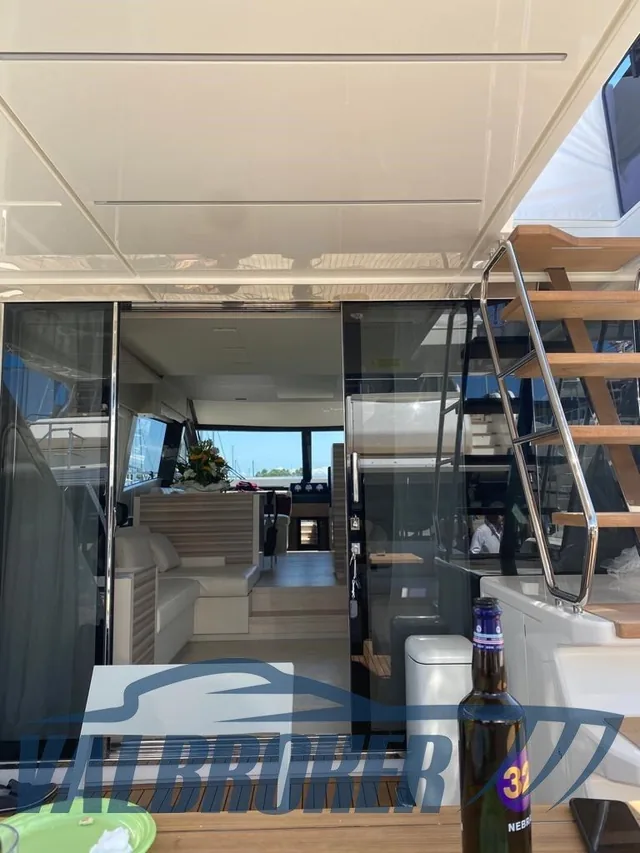
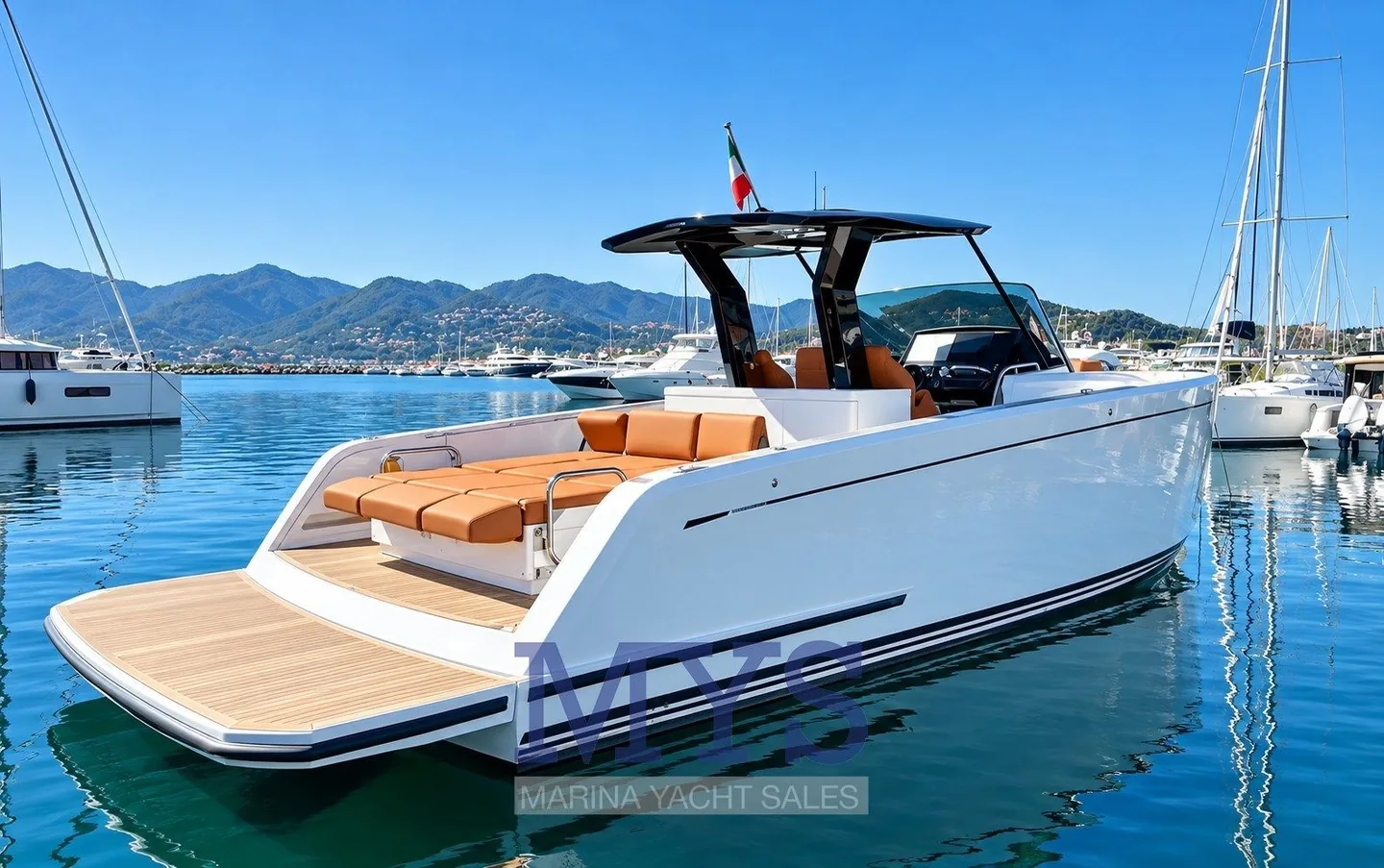
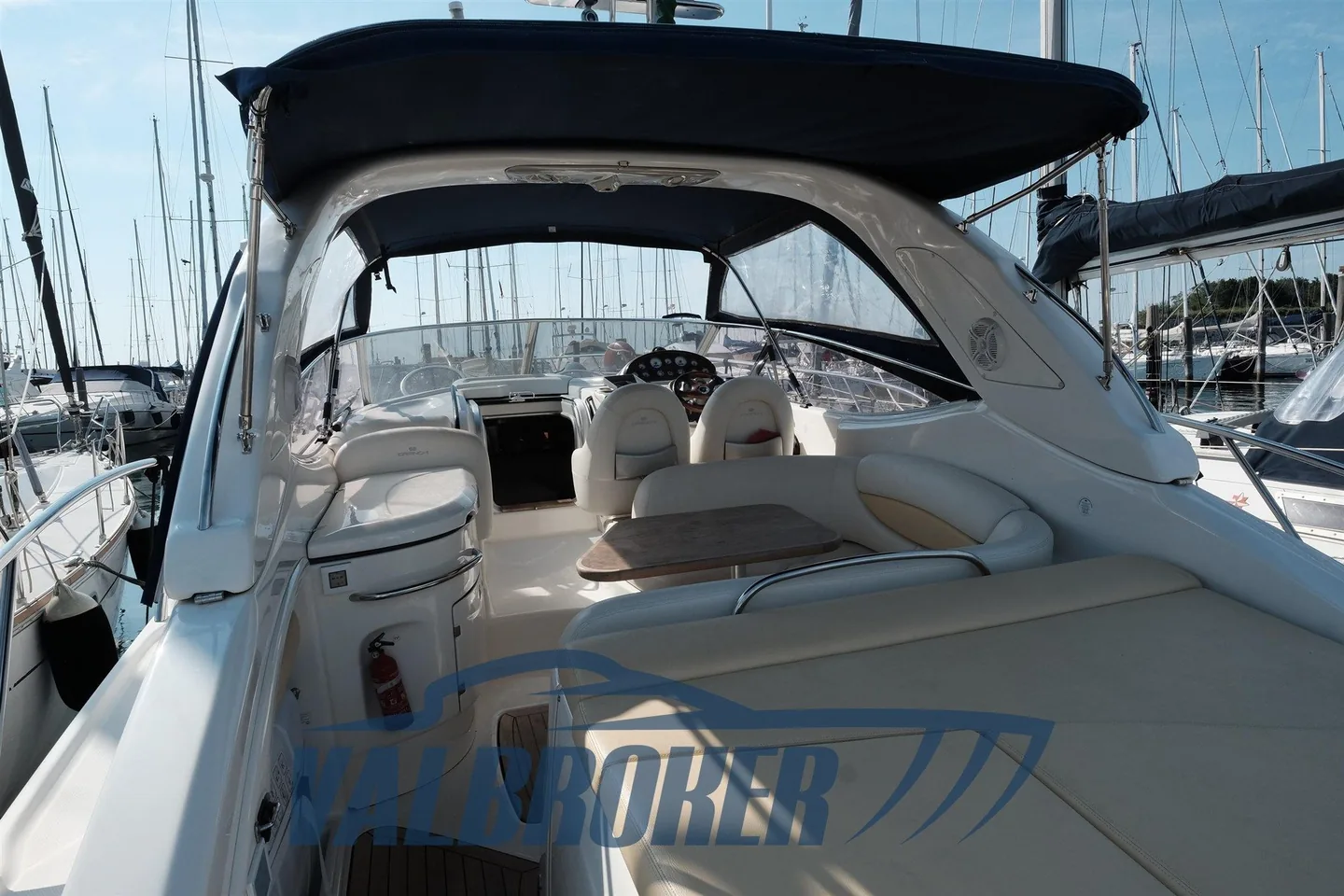
Princess V42: versions, used checks and asking prices
A used Princess V42 guide separating generations, documented specifications, technical inspection points, alternatives and Batoo’s observed asking-price range.
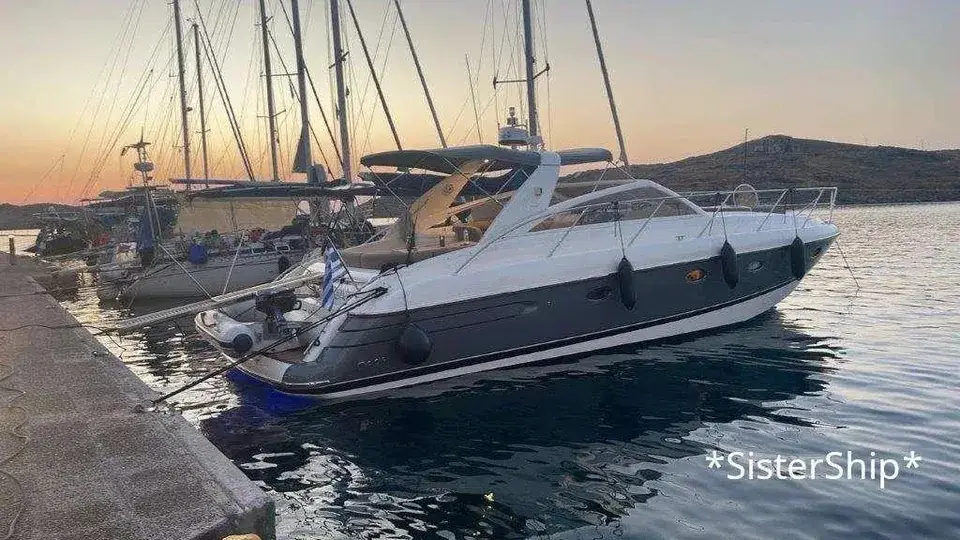
In brief
The early-2000s Princess V42 is a two-cabin sports cruiser suited to couples and families mixing day trips with coastal weekends. Its main caveat is the shared name of a later, larger generation: buyers must verify year, hull identity, engines and boat-specific documents instead of blending incompatible specifications.
Article outline
Model factsheet
Editorial data from official sources and observed listings. Open only the level of detail you need.
Key facts
- Observed years
- 2002–2008
- Length
- 13.03 m
- Beam
- 3.73 m
- Draft
- 1–2.2 m
Specifications and engines
—
Observed prices
Observed asking prices from eligible active Batoo listings in this dossier, grouped by currency. This is not a valuation: taxes, equipment, condition, year and negotiation can change the final price.
Observed listings (2)
Listings form the dossier dataset and may change or become unavailable.
Images come from active Batoo listings and may show different individual boats, years and configurations. Brokers and sellers have not reviewed or approved this dossier. Broker Pro indicates an active subscription, not identity verification, and never guarantees editorial coverage, placement or assessment.
See V42 listings on BatooListing photographsReal photographs from listings included in the dossier, with a link to each source.
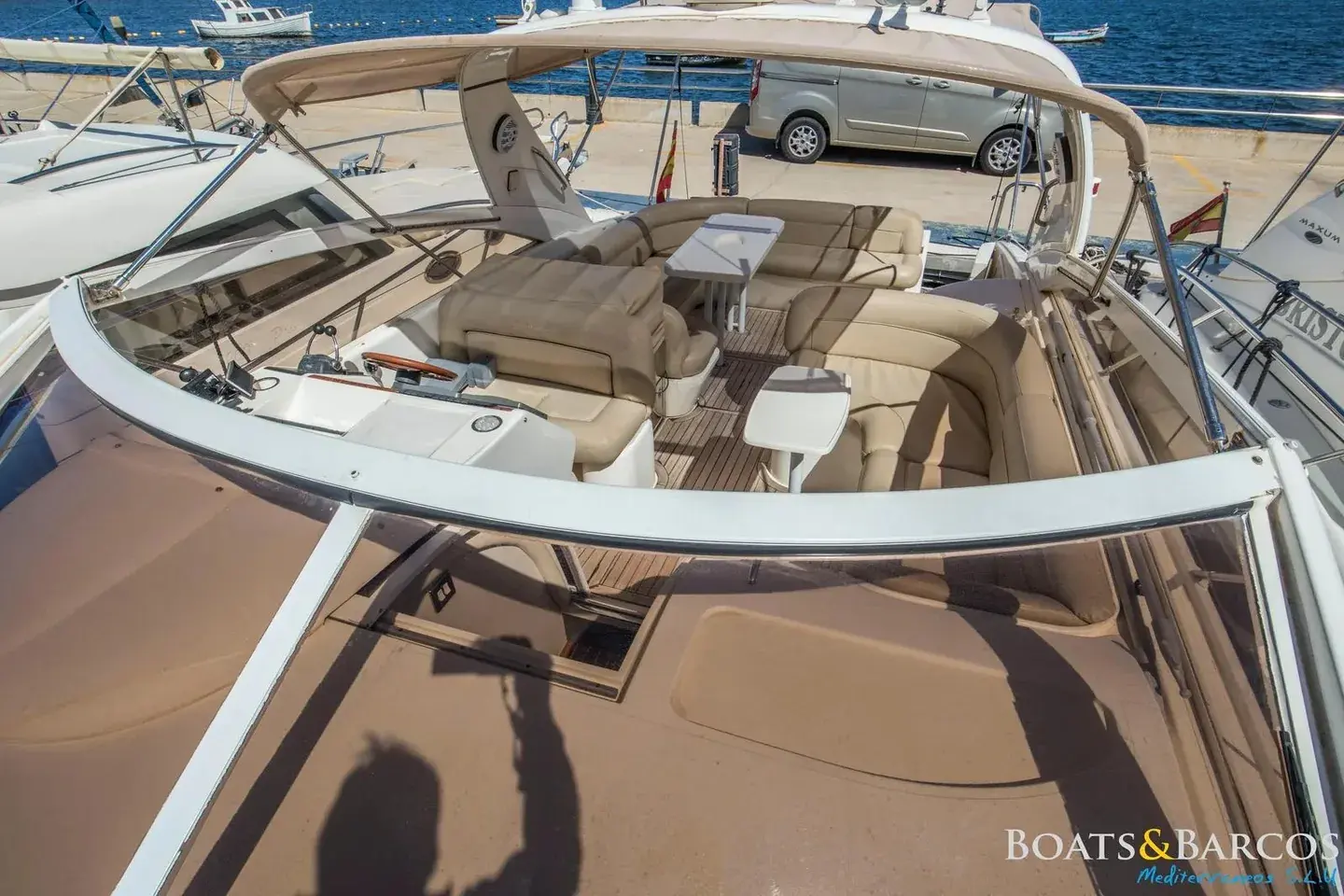
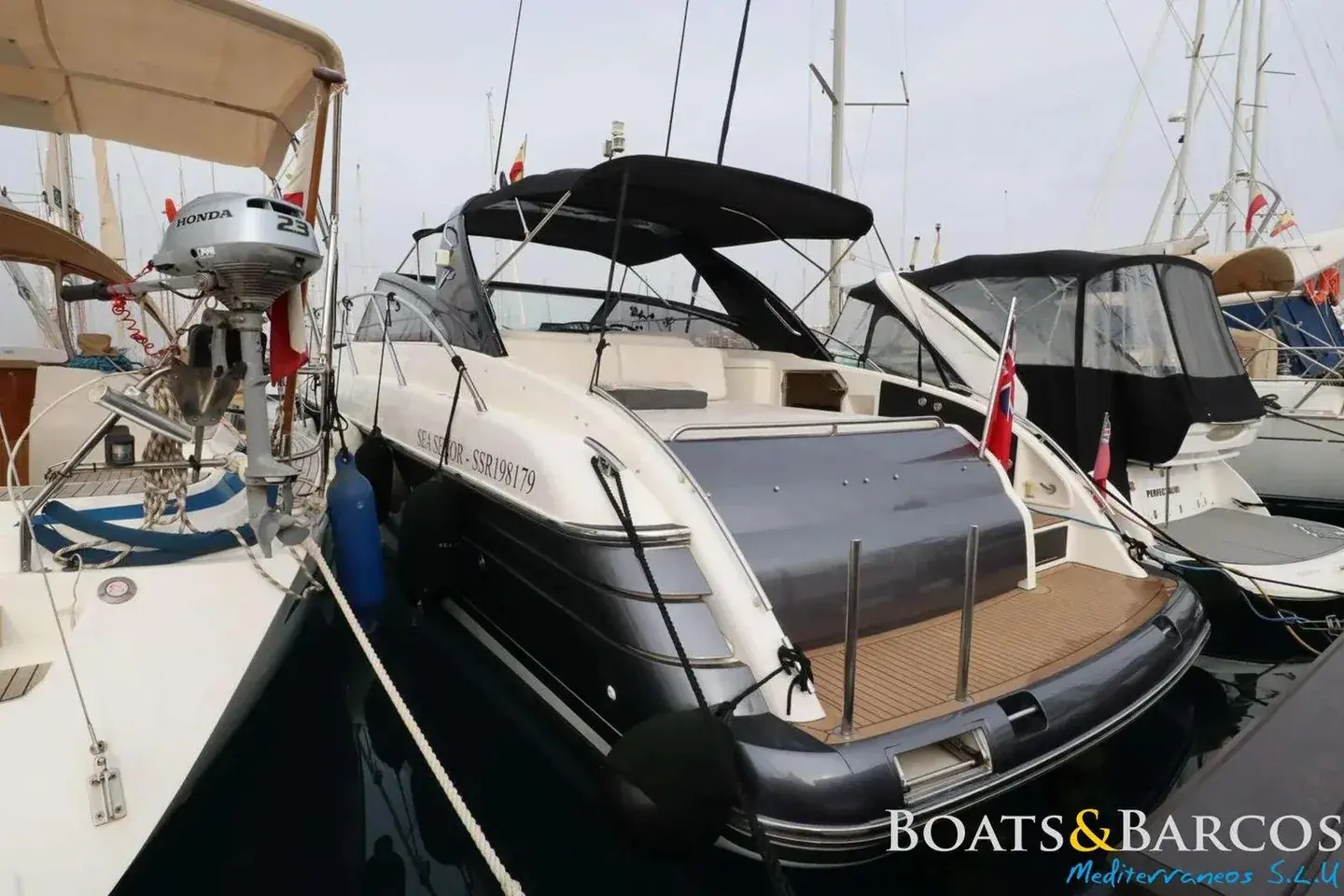
The Princess V42 cannot be understood safely from one blended specification sheet. Batoo’s 2002 and 2008 examples sit in the narrower, lighter strand of the model’s history, while a later official Princess brochure describes a substantially broader and heavier V42. A sound buying decision therefore begins with build year, hull identity, installed engines and the documents belonging to the individual boat.
Design, dimensions and distinct versions
The early-2000s V42 is a GRP sports cruiser arranged around an open social cockpit and two cabins below. A primary Princess Yachts West Sweden record for a 2002 boat gives a length of 12.86 m, beam of 3.72 m, approximate draft of 1 m and approximate weight of 8 tonnes. It also records 720 litres of fuel, 300 litres of water, two cabins, four permanent berths plus two occasional berths, and one toilet compartment.
Batoo’s dossier combines three active listings from 2002 and 2008. Their structured fields indicate 13.03 m length and 3.73 m beam, but draft appears as both 1.0 and 2.2 m. Those incompatible values must not be averaged. The 2.2 m entry remains unresolved until the boat’s documents are checked and the seller explains exactly what was measured or entered.
| Evidence set | Primary 2002 V42 | Batoo dossier, 2002–2008 | Later official V42 |
|---|---|---|---|
| Length | 12.86 m | 13.03 m | 13.56 m including pulpit |
| Beam | 3.72 m | 3.73 m | 3.99 m |
| Draft | about 1.00 m | 1.00 or 2.20 m, unresolved | 1.07 m |
| Displacement | about 8 t | not stated | about 12 t with D6-330 |
| Fuel / water | 720 / 300 l | not stated | 850 / 332 l |
Princess’s later official brochure specifies 13.56 m including the pulpit, a 3.99 m beam, 1.07 m draft and approximately 12,000 kg with twin D6-330 engines. The magnitude of the change rules out a harmless measurement convention: this is different-generation evidence. That brochure also shows a tender garage, an optional hardtop and two cabins with en-suite access, none of which should be assigned automatically to a 2002 or 2008 boat.
Engines help identify the version. The primary 2002 record documents twin Volvo Penta KAD 300 diesels rated at 285 hp apiece with sterndrives. Batoo’s machine-readable dossier contains no dependable structured engine entries, so it does not justify a single powertrain claim for all three offers. The later official brochure lists twin D6-330, D6-370 and D6-400 options and estimated maximum ranges from 33 to 37 knots; these are builder estimates for that documented generation, not sea-trial results for current boats.
Reasoned strengths and limitations
The early V42’s persuasive feature is the combination of day-boat cockpit space and accommodation that can support more than an afternoon afloat. Separate cabins allow a couple and occasional guests to retain privacy without converting the saloon every night. A beam around 3.7 m also keeps the footprint relatively contained beside the broader later V42, although berth charges and handling remain those of a roughly thirteen-metre cruiser.
Planing performance and sterndrives can provide lively acceleration, efficient trim control and shallow running gear compared with some shaft-drive arrangements. The trade-off is a concentrated maintenance burden at the stern. Bellows, universal joints, steering, trim cylinders, seals, contra-rotating propellers and galvanic protection all deserve evidence-led inspection, especially after more than two decades in salt water.
The greatest weakness in the buying process is the V42 name itself. Search results mix years, redesigns, optional layouts and repowered boats until incompatible data look interchangeable. Technical access may also be tight, and ageing hotel systems can generate a long secondary budget: batteries, chargers, refrigeration, pumps, sanitation, water heating and legacy electronics need individual testing rather than a blanket assessment of “condition.”
Ideal use and the owner it suits
The early V42 best fits an owner who wants fast day trips and multi-night coastal cruising, with social life centred in the cockpit. A couple can dedicate the second cabin to guests or storage; a family of four can use the two fixed cabins without relying routinely on converted saloon berths. The sensible operating profile includes serviced marinas, planned fuel stops and a maintenance allowance for two diesel engines and two drives.
It is less convincing for displacement-speed economy, extended self-sufficiency or the interior volume of a flybridge cruiser. The 2002 tank figures help define the platform, but they do not establish range. That calculation needs fuel curves for the engines actually installed, a realistic reserve, hull condition, load, weather and chosen speed; Batoo has conducted no test and makes no universal cruising-speed claim.
Used-boat checks that reduce uncertainty
Begin with identity and paper continuity. Hull number, build date, model designation, engine plates, compliance documents and manuals should agree, while invoices should separate routine servicing from rebuilds or replacements. Resolve the 1.0-versus-2.2-m draft conflict at this stage by finding the source document, not by selecting whichever number suits a berth application.
A survey ashore should use a declared moisture-testing method and look for repairs, impact damage, stress, laminate anomalies and poorly supported fittings. Through-hulls, valves, bulkheads and structural bonds deserve direct access. On deck, inspect the windscreen, hatches, rails, cleats and other penetrations for movement or water ingress; teak should be judged by remaining thickness, fastening or bonding quality and the standard of any renewal.
Engines and drives require a technician familiar with the exact Volvo Penta family fitted. A cold start, smoke behaviour, temperatures, pressures, diagnostics, oil samples and a loaded run should be reconciled with hours and invoices. Drive inspection should include corrosion, play, lubricant condition, seals, bellows, propellers and service history. Seller-supplied maintenance statements are leads to verify, not independent proof.
The sea trial should record achieved rpm, acceleration, vibration, temperatures, steering and trim response, instrument behaviour and any water or fluid appearing in the machinery space. Fouling, damaged propellers, load and sea state can materially alter the result, as Princess itself cautions alongside its performance estimates. At the berth and away from shore power, test batteries, charger, distribution panels, bilge pumps, hot water, refrigeration, toilets, extinguishers and alarms.
Alternatives compared by intended use
Alternatives should be matched by generation, propulsion and condition rather than nominal length alone. The Fairline Targa 40 and Sunseeker Camargue 44 occupy a similar British sports-cruiser space; the Sealine S42 often puts more emphasis on internal volume, while a later Princess V40 shifts the decision toward younger systems and a different capital cost. Each name spans configurations, so this is a programme shortlist rather than a universal specification contest.
| Alternative | Why shortlist it | Decisive check |
|---|---|---|
| Fairline Targa 40 | comparable two-cabin sports-cruiser concept | year-specific engines, drives and layout |
| Sunseeker Camargue 44 | large cockpit and performance emphasis | machinery access, weight and running cost |
| Sealine S42 | stronger focus on living volume | exact interior plan and rough-water behaviour |
| Later Princess V40 | a younger route within the brand family | price gap, system age and added complexity |
Observed asking prices and Batoo methodology
On 30 August 2026 the dossier recorded three active euro-denominated Batoo offers: a 2002 entry at €139,995 and two 2008 records at €250,000. The observed range is therefore €139,995–€250,000 from a sample of three. Because the two €250,000 records share some imagery and descriptive evidence, they should not be treated as two wholly independent confirmations of value. These are asking prices, not completed transaction prices.
The method is deliberately narrow: it takes eligible active Batoo offers in the dossier and groups their asks by currency. It is not a valuation and does not adjust for VAT position, country, year, engines, refit work, equipment, condition or negotiation. The broad spread may reflect genuine differences as well as unresolved configuration or duplication; a defensible valuation still needs documents, a survey and genuinely comparable boats.
Images come from current listings and may depict different individual boats and configurations. Brokers and sellers have not reviewed, validated or approved this dossier. One offer in the sample has an active Batoo subscription associated with Broker Pro; that is separate from identity verification, offer freshness and editorial eligibility, guarantees no coverage, rank or favourable assessment, and has not shaped the stable analysis.
Sources and references
Sources consulted and references retained to verify data and context.
- Princess V42 2008 — active Batoo offerBatoo
- Princess V42 2002 — active Batoo offerBatoo
- Princess V42 2002 brokerage recordPrincess Yachts West Sweden
- Official Princess V42 brochure and specificationPrincess Yachts International plc