Used Rodman Muse 44: specifications, checks and prices
A used Rodman Muse 44 guide separating official specifications from offer data, with IPS and hull checks, alternatives and an observed asking-price range.
In brief
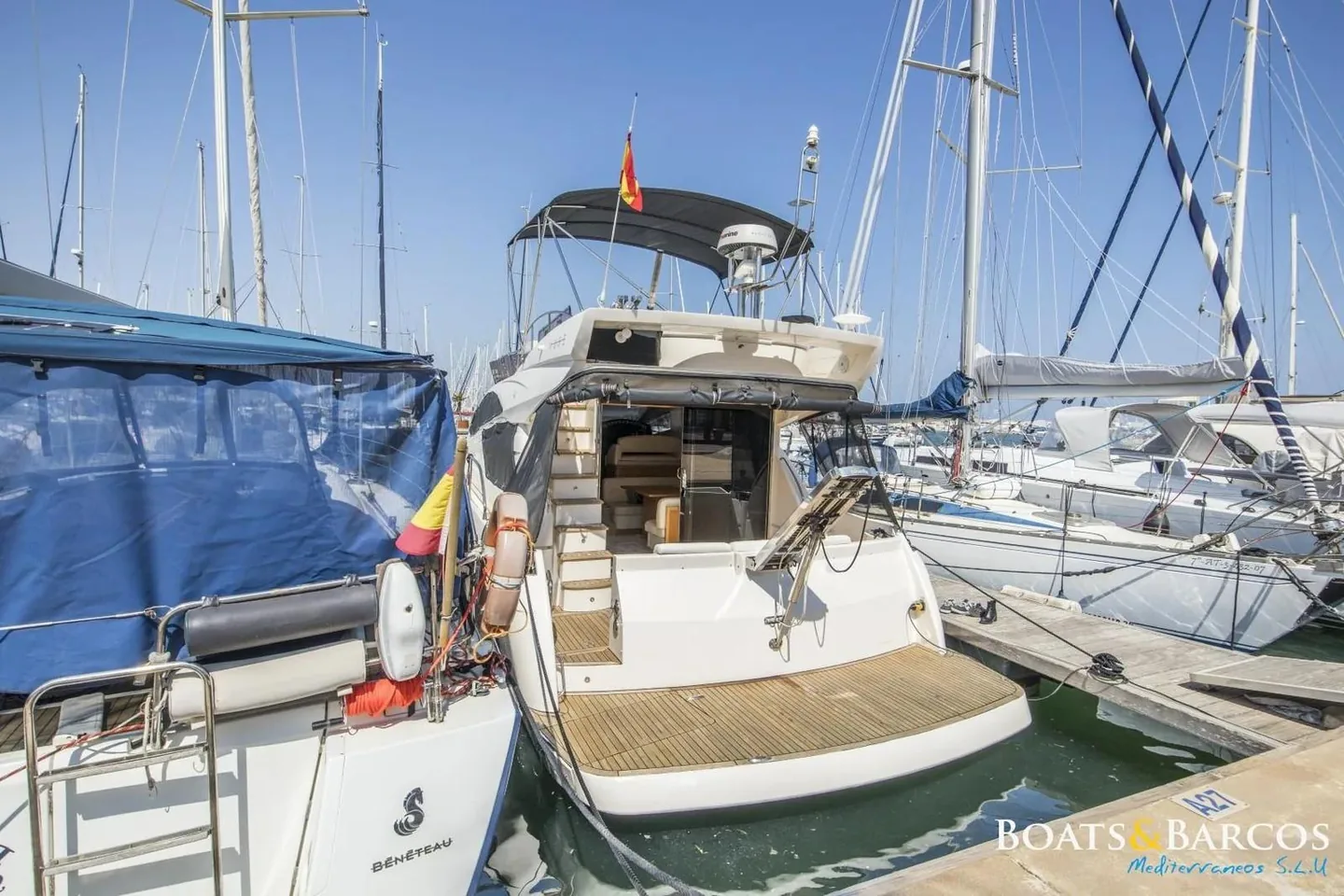
The Rodman Muse 44 is a three-cabin flybridge cruiser suited to families and couples seeking coastal range, separated living areas and IPS-assisted manoeuvring. Its main caveat is the complexity of twin diesels, pods, dual helms and domestic systems: on a used boat, records, an independent survey and a loaded sea trial matter more than brochure performance.
Article outline
Model factsheet
Editorial data from official sources and observed listings. Open only the level of detail you need.
Key facts
- Observed years
- 2008–2009
- Length
- 13.27–13.6 m
- Beam
- 4.28 m
- Draft
- 1.08 m
Specifications and engines
2× Volvo Penta IPS 500 D6 370 hp
Observed prices
Observed asking prices from eligible active Batoo listings in this dossier, grouped by currency. This is not a valuation: taxes, equipment, condition, year and negotiation can change the final price.
Observed listings (2)
Listings form the dossier dataset and may change or become unavailable.
Images come from active Batoo listings and may show different individual boats, years and configurations. Brokers and sellers have not reviewed or approved this dossier. Broker Pro indicates an active subscription, not identity verification, and never guarantees editorial coverage, placement or assessment.
See Muse 44 listings on BatooListing photographsReal photographs from listings included in the dossier, with a link to each source.
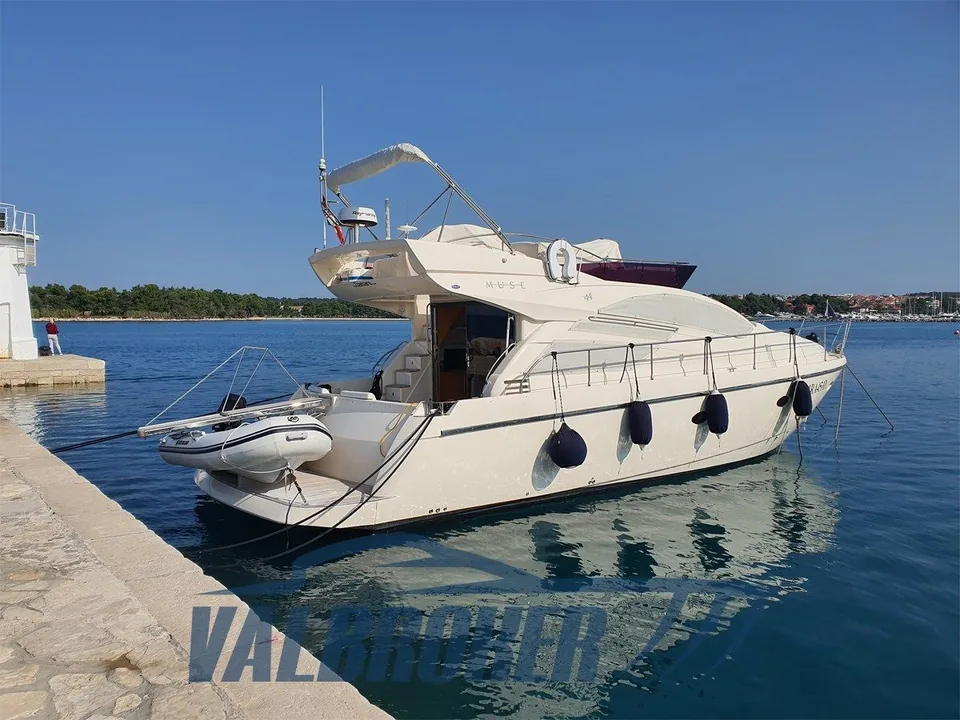
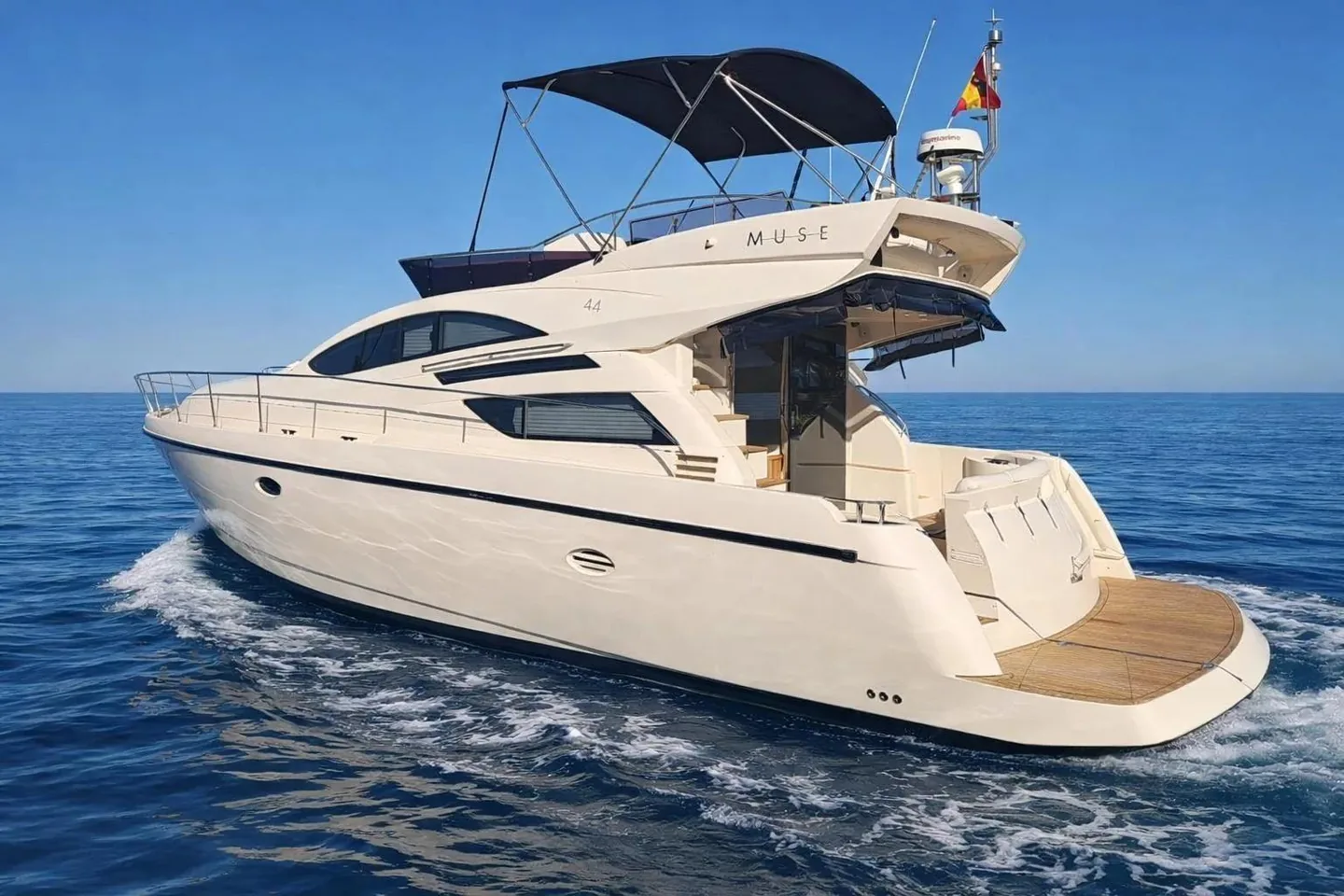
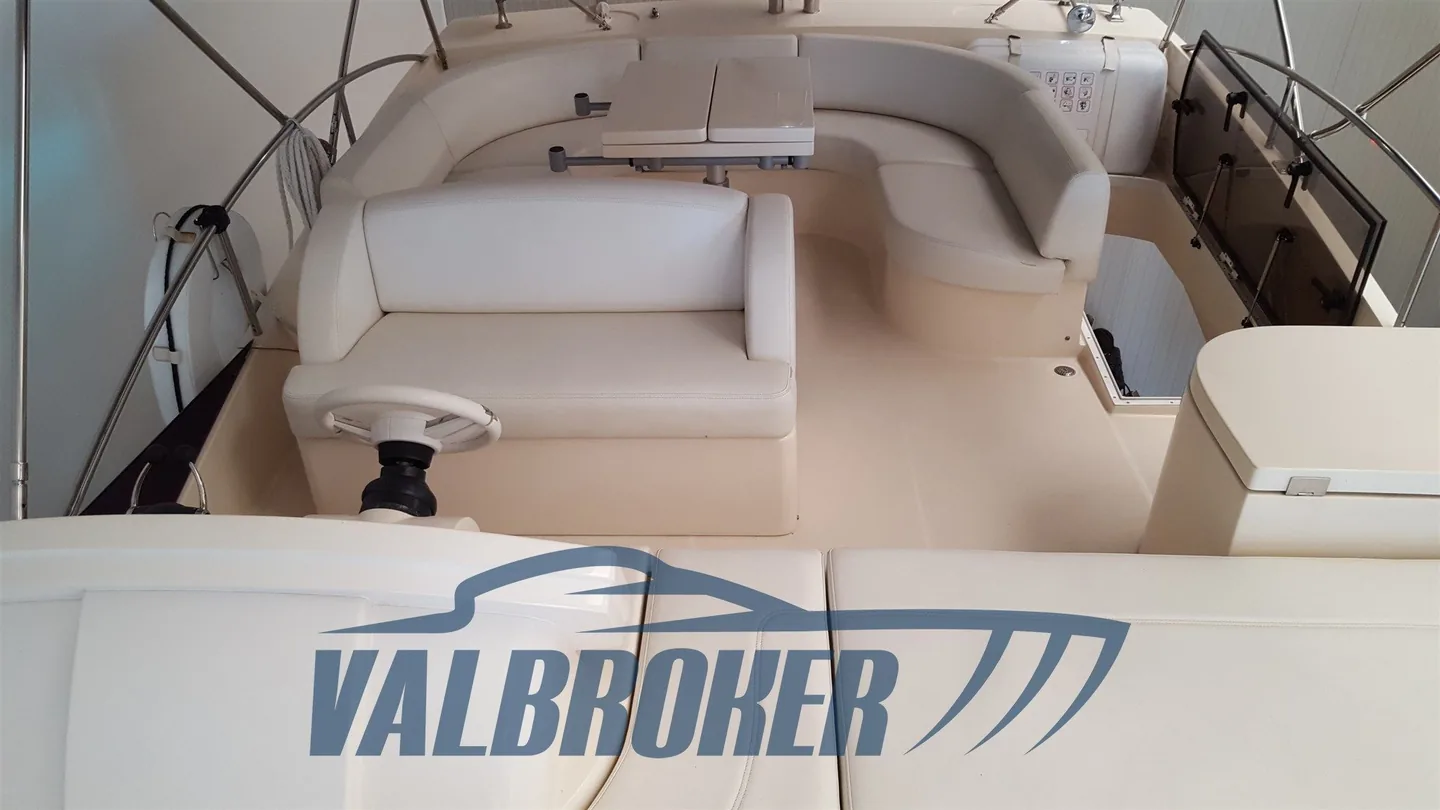
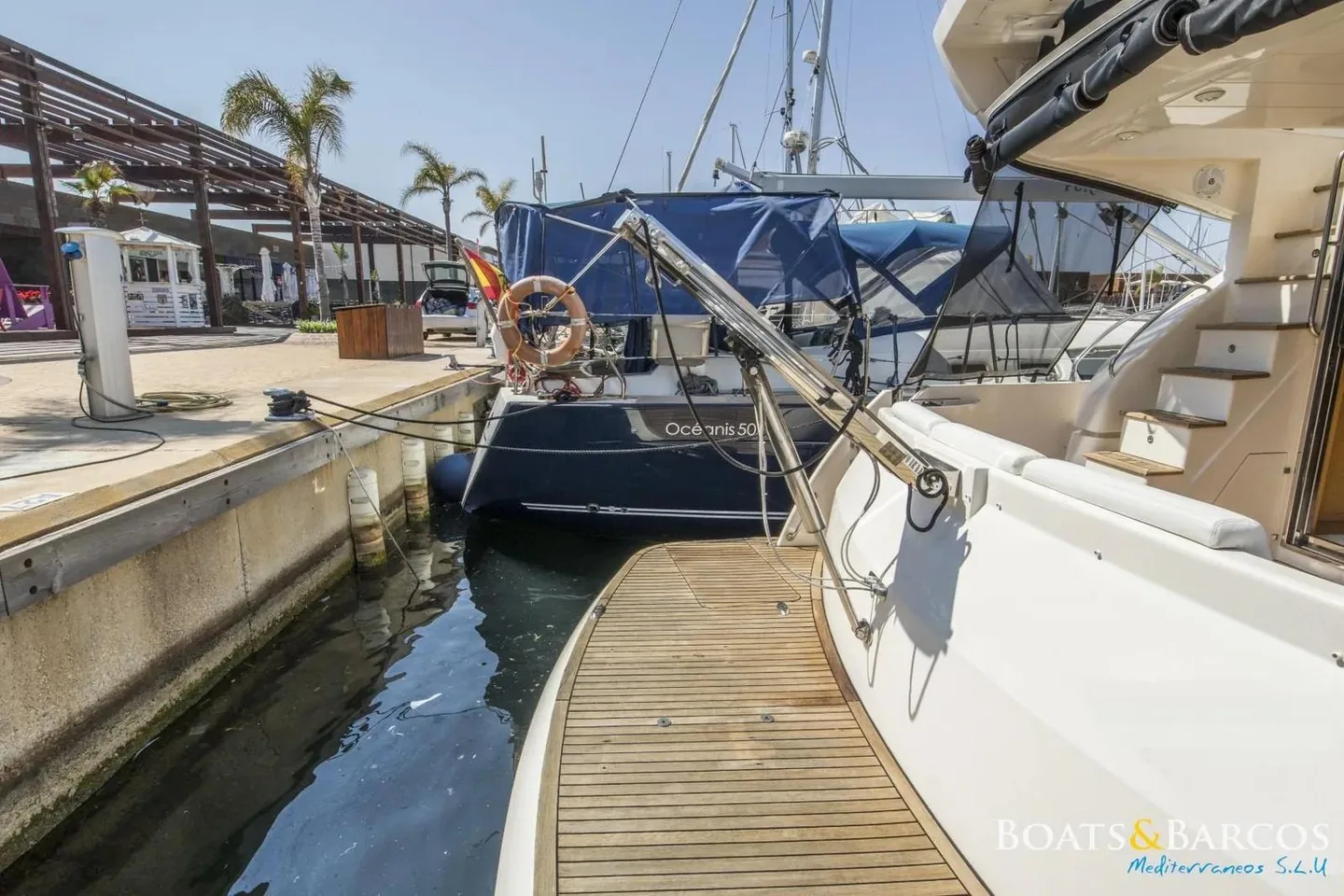
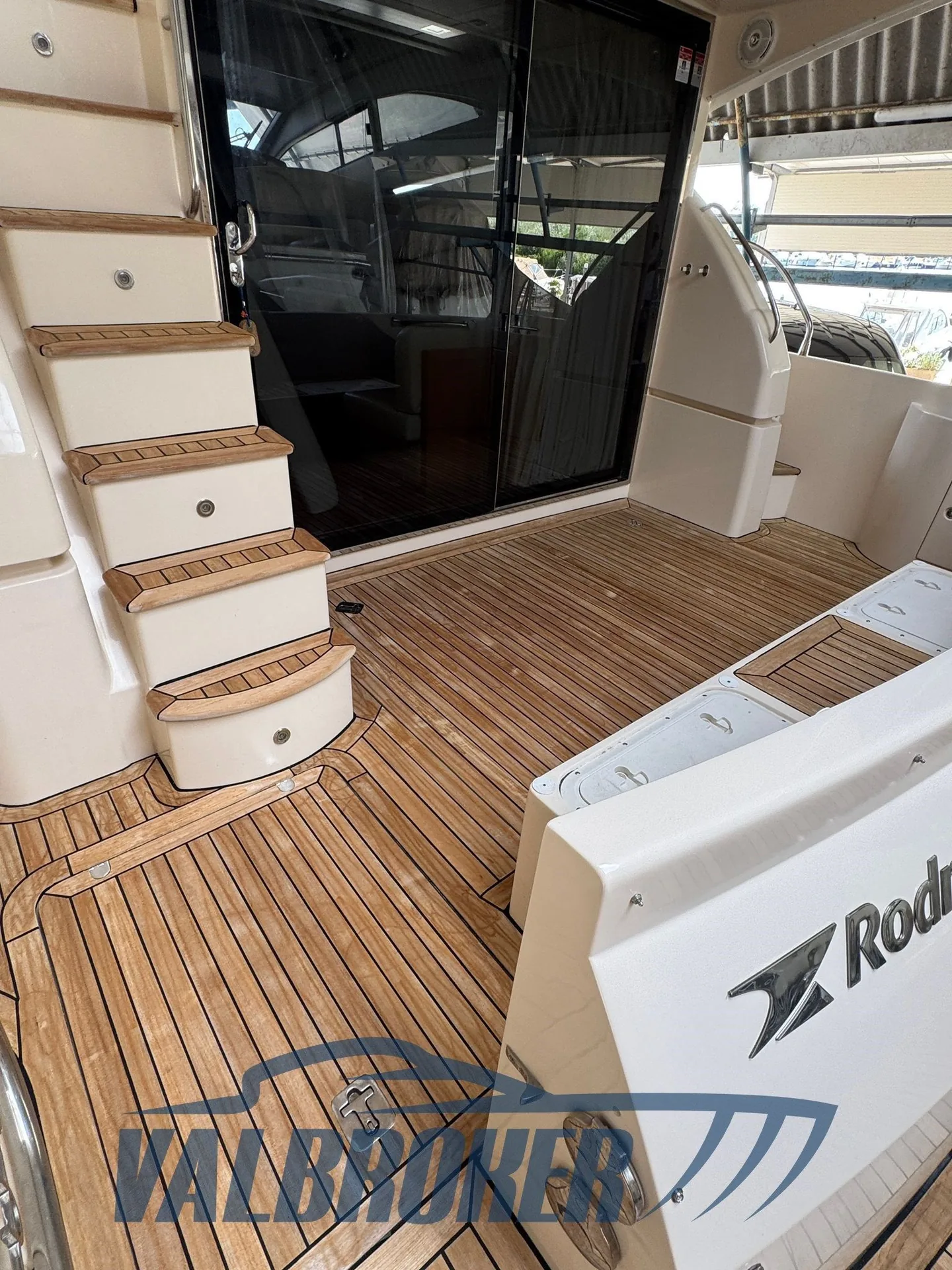
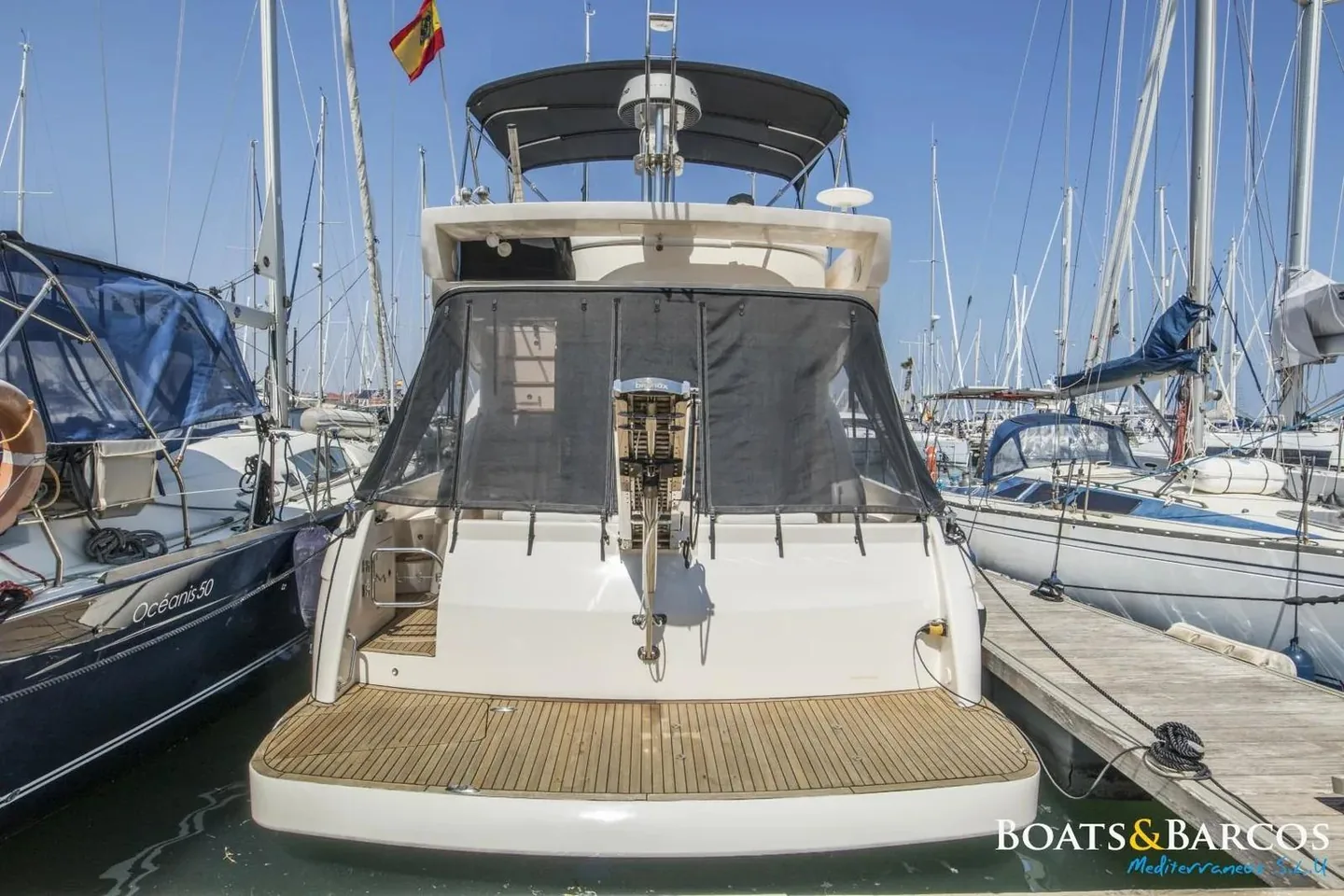
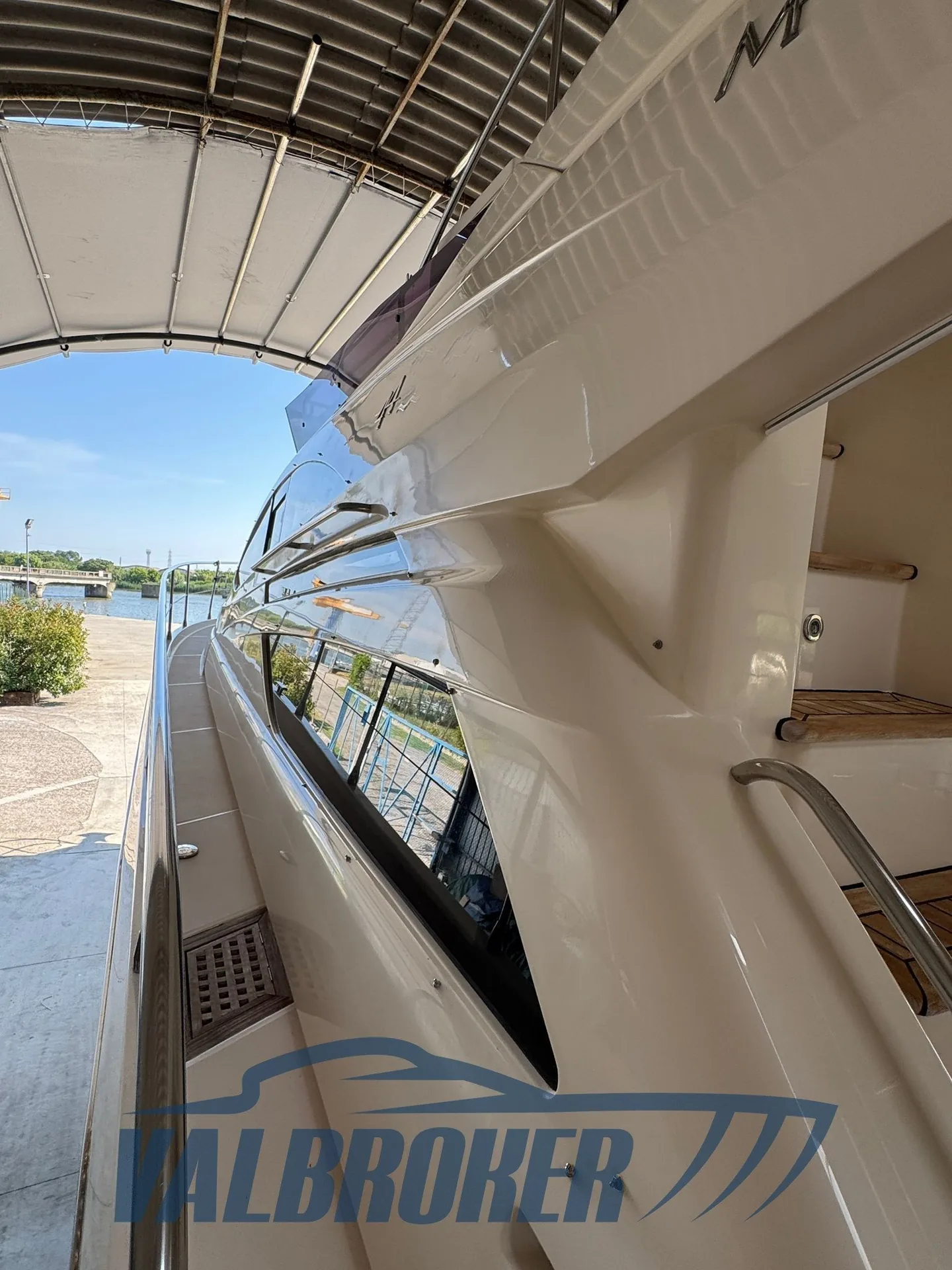
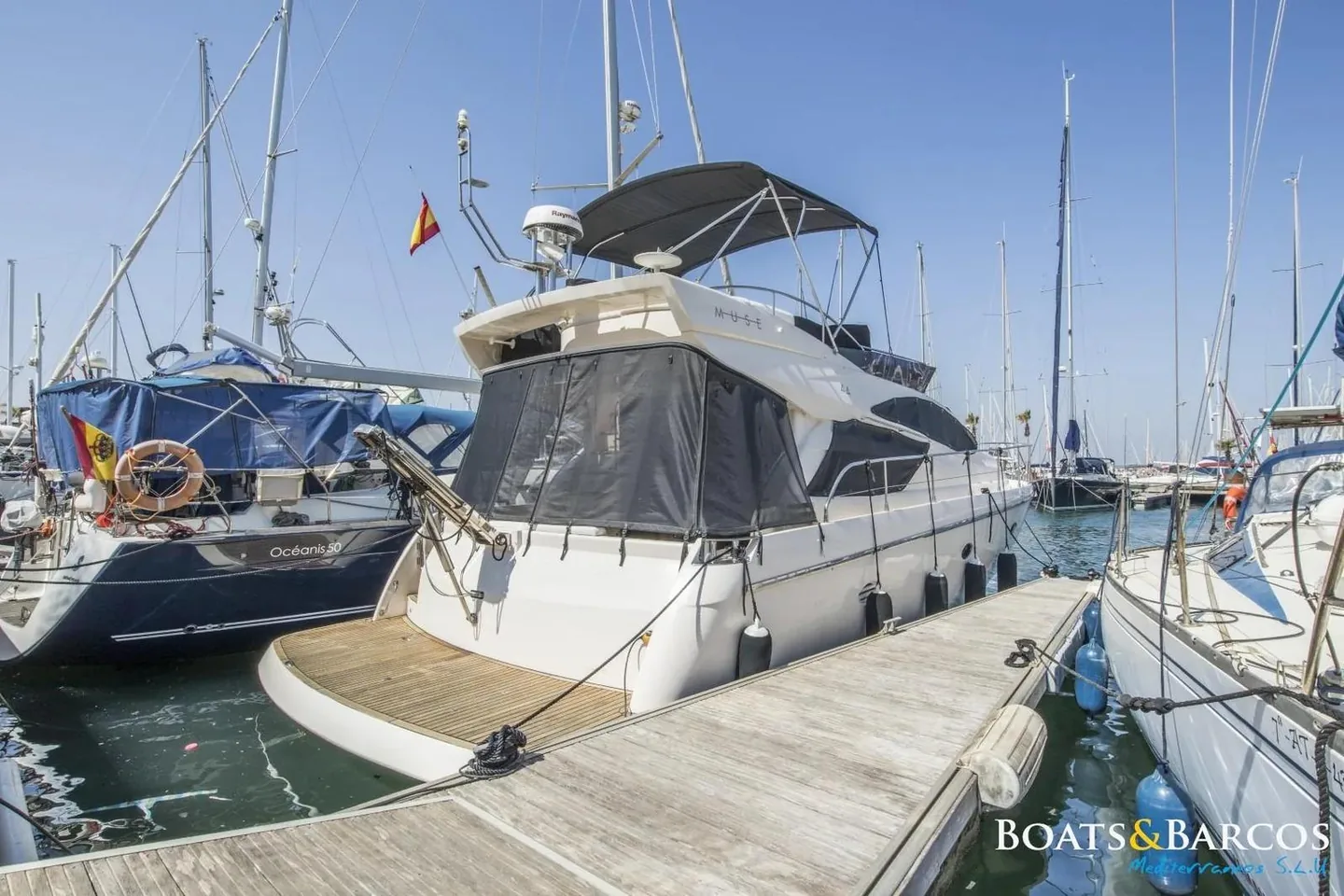
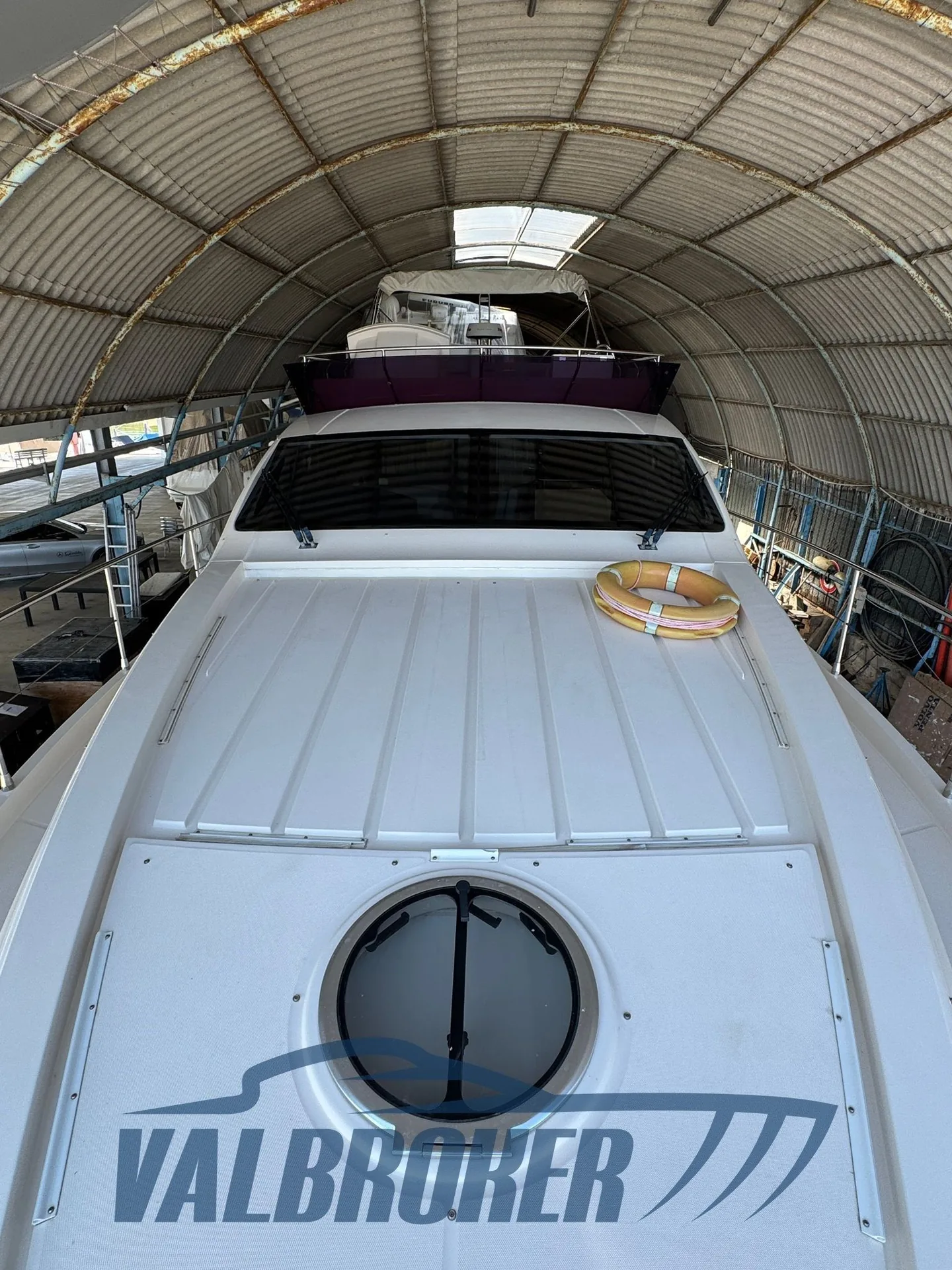
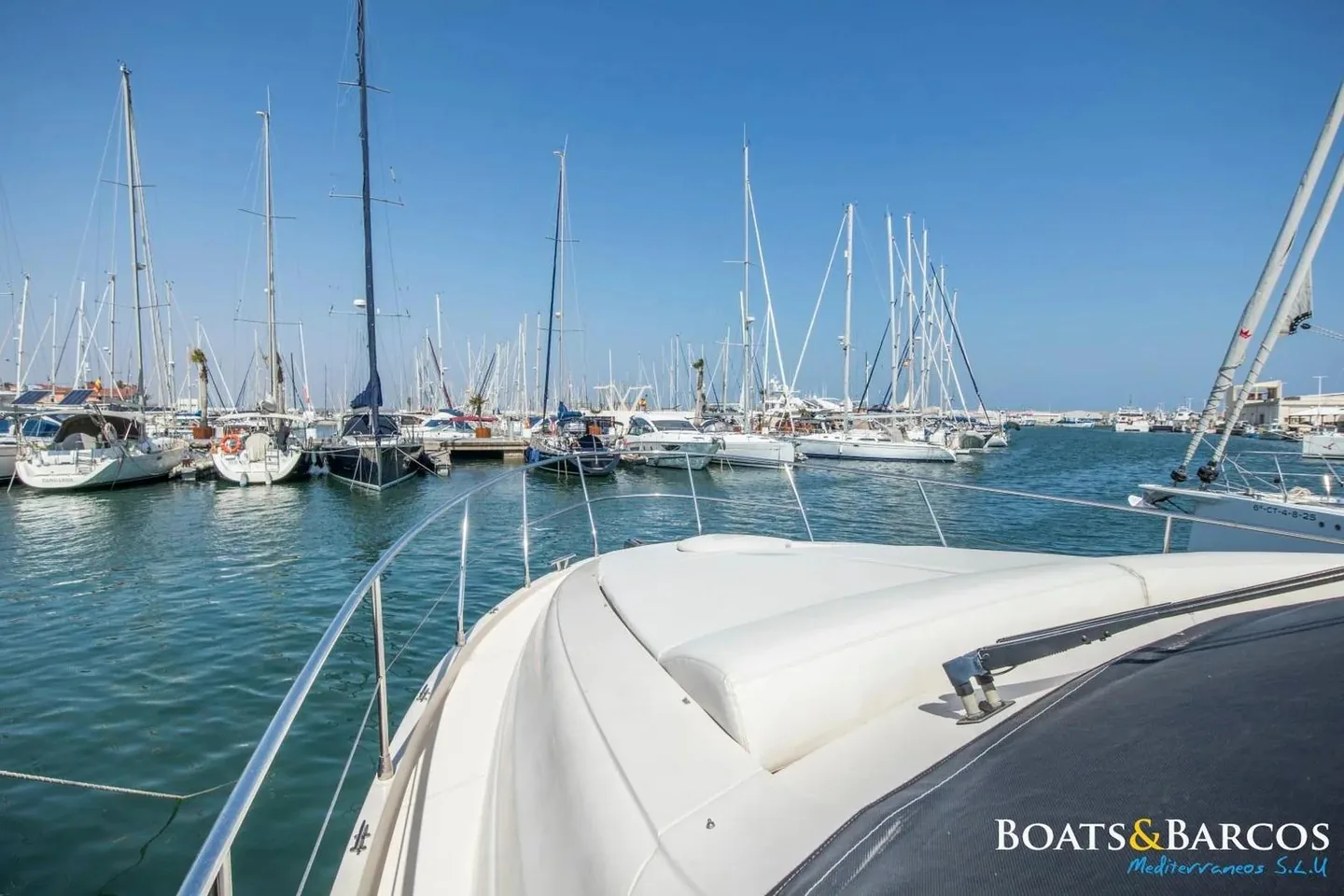
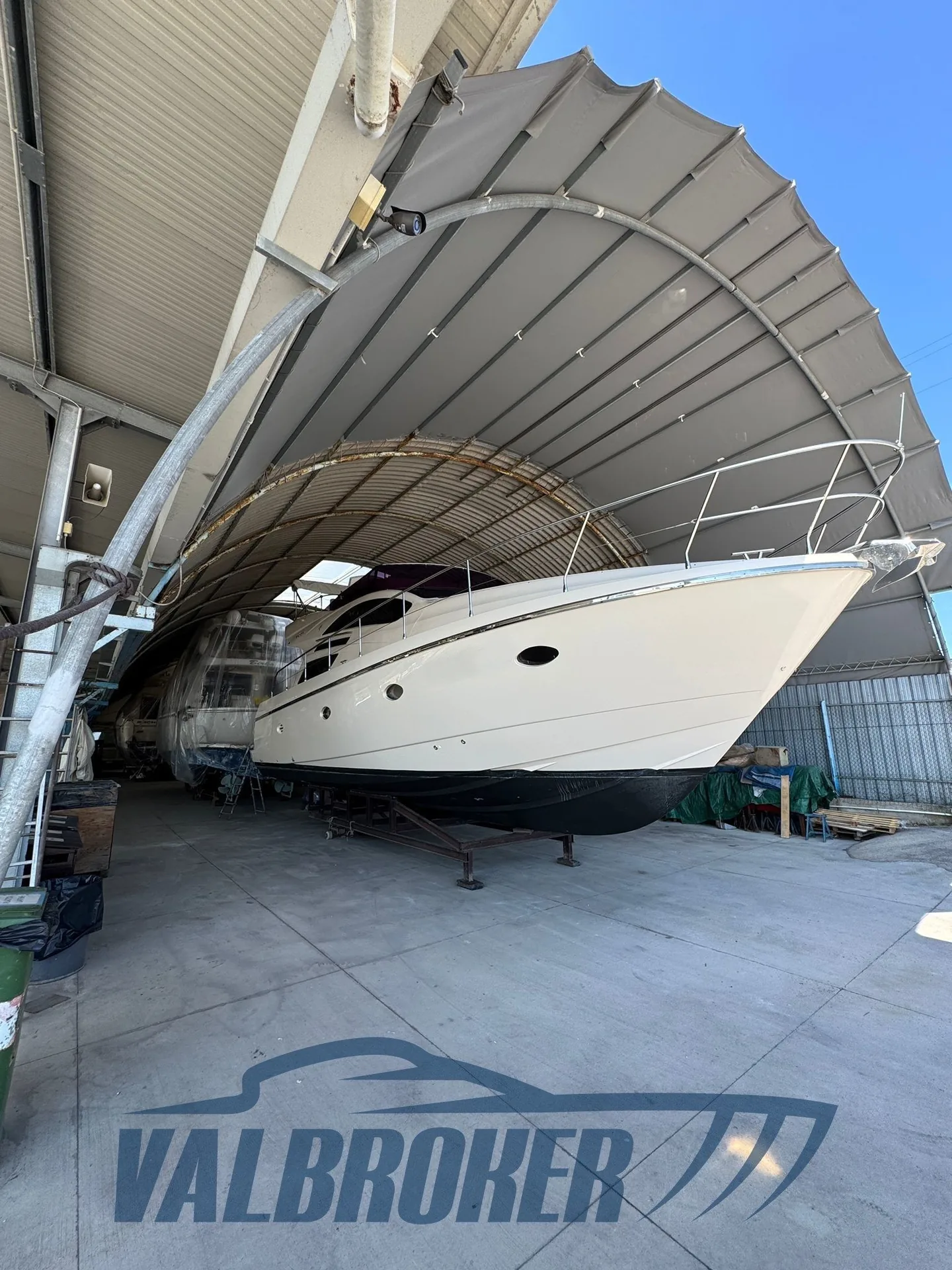
The Rodman Muse 44 is best assessed as a family-scale flybridge cruiser, not as a bundle of interchangeable figures. Rodman’s current product page documents a reference configuration, while the Batoo dossier observes two earlier boats from 2008 and 2009. Factory specifications, offer observations and editorial conclusions therefore remain separate throughout this guide, preventing a feature from one version being assigned to another hull.
Design, specifications and version boundaries
The underlying arrangement is a motor yacht with a flybridge, a main-deck saloon and three cabins below. Rodman lists three cabins, design category B and a maximum of 12 people for the configuration on its website. The category and capacity describe the certified configuration; they should not be read as a recommendation to cruise overnight with twelve people.
| Item | Current Rodman sheet | 2008–2009 Batoo dossier | Buyer interpretation |
|---|---|---|---|
| Hull length | 11.99 m | not consistently recorded | check CE and registration papers |
| Length overall | 13.60 m | 13.27 or 13.60 m | convention or version may differ |
| Beam | 4.28 m | 4.28 m | consistent within this sample |
| Draft | 1.08 m | 1.08 m | confirm loading and appendages |
| Fuel / fresh water | 1,330 / 400 l | no structured values | do not transfer automatically |
| Cabins / heads | three cabins | 3 / 2 on both offers | inspect subsequent alterations |
The official page also gives a maximum displacement of 14.65 tonnes, a 106-litre black-water tank and two propulsion choices: twin 370 hp Volvo D6 IPS 500 or twin 435 hp D6 IPS 600. It lists 32 knots maximum, 26 knots at 70% power, 18 knots at an economical setting and 400 nautical miles at that setting, subject to environmental conditions, loading and hull condition. These are design references, not promised results for a seventeen- or eighteen-year-old example.
Only the 2009 offer has a structured engine entry in the dossier: two Volvo Penta IPS 500 D6 units rated at 370 hp each. Other length and engine details conflict across the catalogue fields and non-reusable description excerpts, so this guide neither averages nor resolves them. Model year, build year, serial numbers, displayed hours and pod specification must agree across plates, conformity papers, invoices and electronic diagnostics.
Reasoned strengths and limitations
The design’s clearest strength is separation of living zones. Flybridge, cockpit, saloon and three cabins let a family—or two couples with occasional guests—spread social space and privacy without moving to a substantially larger yacht. A 4.28 m beam supports interior volume, while compact IPS propulsion can release stern space compared with a conventional shaft arrangement. That is Batoo analysis of the declared architecture, not a first-hand sea-trial verdict.
Complexity is the corresponding limitation. Twin diesels, two steerable pods, electronic controls, two helm stations and hotel systems reward complete records and specialist support. The flybridge creates another useful outdoor room, but also adds exposed upholstery, covers, drainage, duplicated electronics and weight aloft. On a used boat, every convenience becomes another inspection and maintenance line.
Three cabins are persuasive on a plan, yet actual comfort depends on ventilation, access, berth dimensions, storage and the intended crew. A certified capacity of twelve is not twelve berths and says nothing about privacy on a week-long cruise. Prospective owners should move through the cabins, heads and galley with their normal crew rather than inferring habitability from room counts.
Ideal use and the right owner
The Muse 44 makes most sense for coastal cruising and port-to-port passages by a family crew wanting a flybridge and three cabins within roughly 13.6 m overall. It can support extended weekends and holidays if the operating plan includes professional diesel and IPS care, plus any generator or air-conditioning fitted to the individual boat. It is less convincing for an owner whose priority is minimal systems and almost entirely DIY upkeep.
Two helm positions offer a choice between weather protection and open-air visibility, although a sea trial must establish whether sightlines and ergonomics suit the skipper. Load, hull cleanliness, propellers, wind and sea state affect speed and fuel use; the published performance figures cannot replace a trial with representative people and tank levels. A berth calculation should use the boat’s actual extremities, including platform and pulpit, rather than assuming the 11.99 m hull length is the marina length.
Used-boat checks before committing
Start by establishing the individual boat’s technical identity. An independent surveyor should read the HIN/CIN, CE plate and engine and pod serial numbers, then reconcile them with registration, conformity documents, manuals and invoices. Volvo Penta Connect gives a registered owner access to product-specific manuals, campaigns, recalls and recorded service history; access to an account alone does not prove that every scheduled task was completed.
Hull and deck work should combine moisture readings with percussion and close inspection of bilges, bulkheads, bonding, seacocks, glazing and flybridge drains. Look for leakage around the large window areas, undocumented laminate repairs, local movement and dissimilar-metal corrosion. One elevated meter reading is not a diagnosis: a surveyor must interpret it against laminate construction, temperature and access.
An IPS assessment should include a genuinely cold start, electronic fault scan, engine synchronisation, steering, joystick, gear engagement and operation under load. Inspect engine and transmission fluids, coolant, filters, seals, counter-rotating propellers, play, anodes and any impact marks on the pods; invoices and serial numbers should explain replacements. Displayed hours matter only alongside dates, load history and documentary continuity.
Test the domestic and navigation systems both alongside and underway: batteries, chargers, generator, air conditioning, pumps, hot water, toilets, holding tank, refrigeration, windlass and instruments at both helms. A haul-out then exposes the hull, running gear and pods, while the sea trial should record rpm, temperatures, pressures, vibration, smoke and the ability to reach the expected rated speed. Convert every defect into a priced remedy or a contractual condition.
Alternatives and programme comparison
| Alternative | Reason to shortlist it | Trade-off to examine |
|---|---|---|
| Princess 42 | conventional flybridge format and broad used-market recognition | layouts, age and shaft drive alter handling and costs |
| Sealine F42 | strong emphasis on social space and onboard living | compare actual cabin count and deck solutions |
| Azimut 43 | Mediterranean-oriented option in a nearby size band | verify engines, draft and service access by series |
| Rodman Muse 50 | related design language with more volume | higher berthing, operating and maintenance exposure |
These are comparison directions, not rankings. A useful shortlist fixes year, configuration, condition and price because a model badge cannot normalise refits or maintenance quality. Buyers prioritising mechanical simplicity might prefer a shaft-drive flybridge; those valuing low-speed manoeuvrability and stern volume may accept the more specialised IPS system.
Observed asking-price range and methodology
On 3 September 2026, the dossier contained two active, editorially eligible Batoo asking prices: €290,000 and €328,000. The observed range is therefore €290,000–€328,000 from a sample of two. These are advertisements, not completed transactions or a valuation; year, tax position, country, equipment, condition, refit work and negotiation may create differences the small sample cannot quantify.
The methodology uses only active eligible offers included in this dossier and groups them by currency. It does not average incompatible values or extrapolate to the entire market. A buyer should turn the asking figure into an entry cost by adding survey, haul-out, immediate repairs, deferred maintenance, insurance and berthing, then compare boats brought to an equivalent technical and documentary standard.
Images come from current Batoo listings and may depict different individual boats, years and configurations. Brokers and sellers have not reviewed, validated or approved this dossier. Broker Pro denotes only an active Batoo subscription; it is not identity verification and never guarantees editorial coverage, ranking or a positive assessment.
Sources and references
Sources consulted and references retained to verify data and context.