Riva Ariston: variants, checks and observed prices
A documented guide to the Riva Ariston covering design evolution, conflicts between archive and listing data, wooden-boat checks, alternatives and observed asking prices.
In brief
The Riva Ariston is a wooden runabout for collectors and day boaters prepared for specialist maintenance, storage and restoration oversight. It suits fair-weather outings and classic events. Its main caveat is year-by-year variation in dimensions, engines and details, making hull-number research, document checks and an independent survey essential for every boat.
Article outline
Model factsheet
Editorial data from official sources and observed listings. Open only the level of detail you need.
Key facts
- Observed years
- 1961–1964
- Length
- 6.6–6.8 m
- Beam
- 2.16–2.2 m
- Draft
- 0.8 m
Specifications and engines
1× Crusader Marine 185 hp · 1× Chrysler 177 hp
Observed prices
Observed asking prices from eligible active Batoo listings in this dossier, grouped by currency. This is not a valuation: taxes, equipment, condition, year and negotiation can change the final price.
Observed listings (2)
Listings form the dossier dataset and may change or become unavailable.
Images come from active Batoo listings and may show different individual boats, years and configurations. Brokers and sellers have not reviewed or approved this dossier. Broker Pro indicates an active subscription, not identity verification, and never guarantees editorial coverage, placement or assessment.
See Ariston listings on BatooListing photographsReal photographs from listings included in the dossier, with a link to each source.
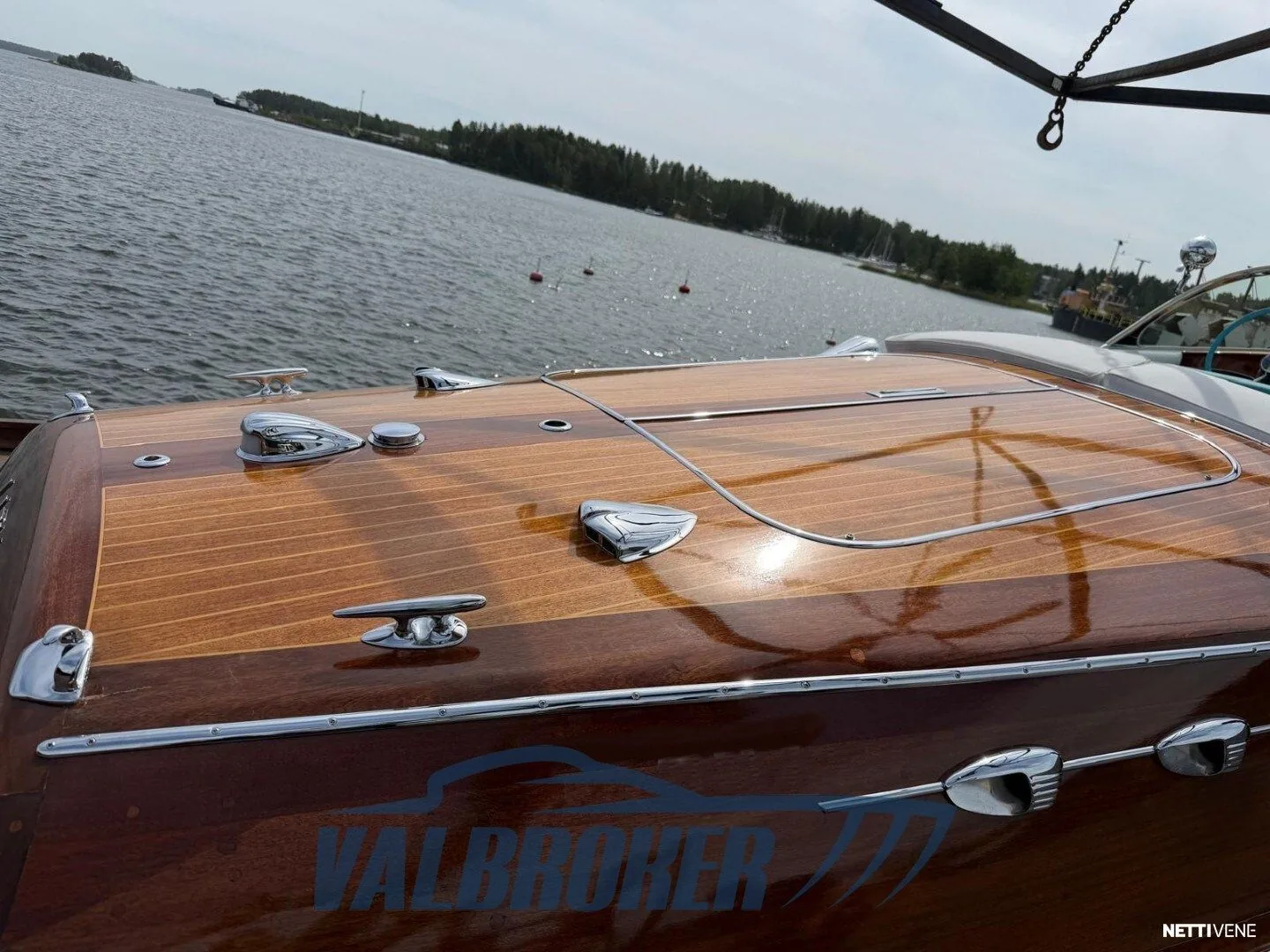
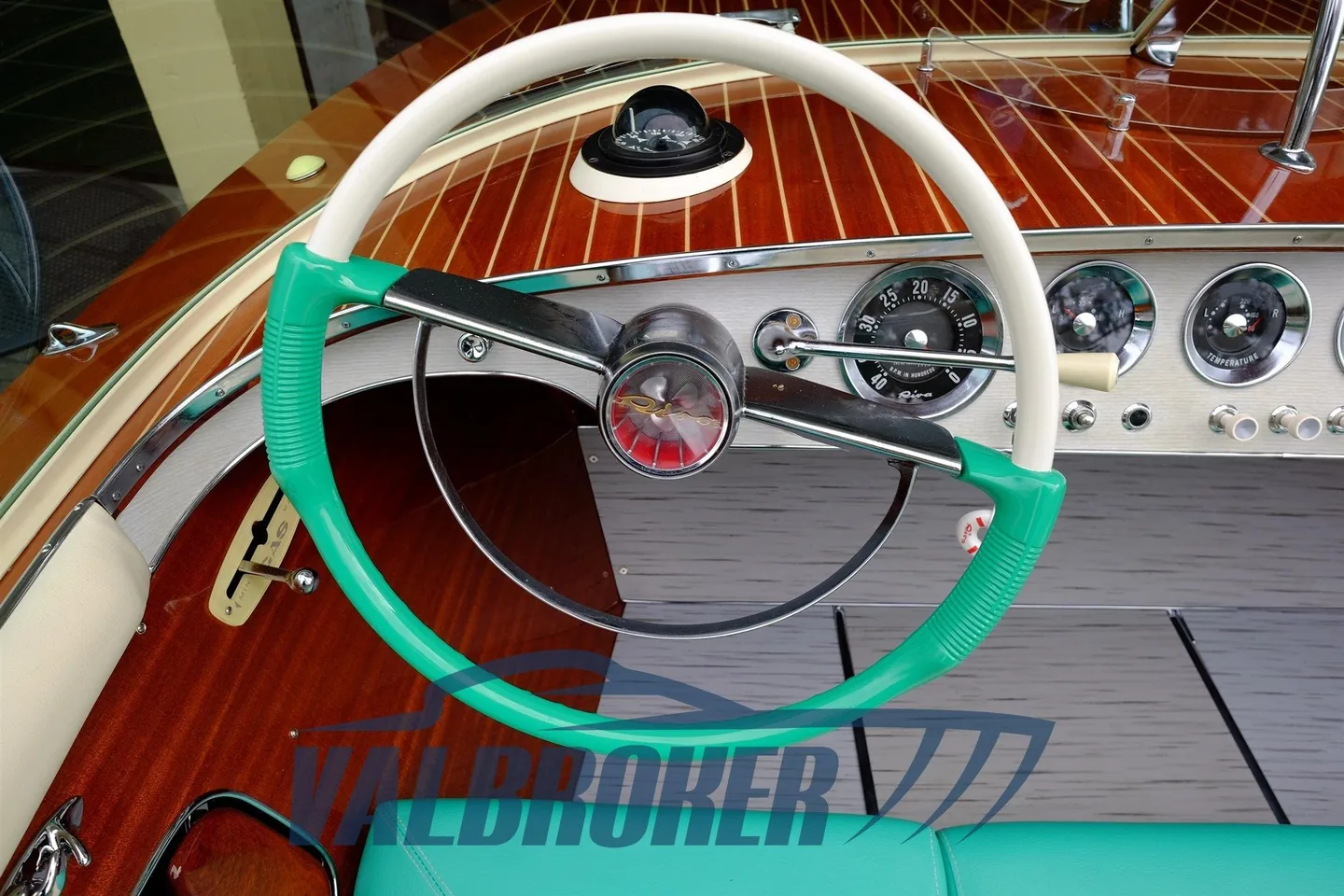
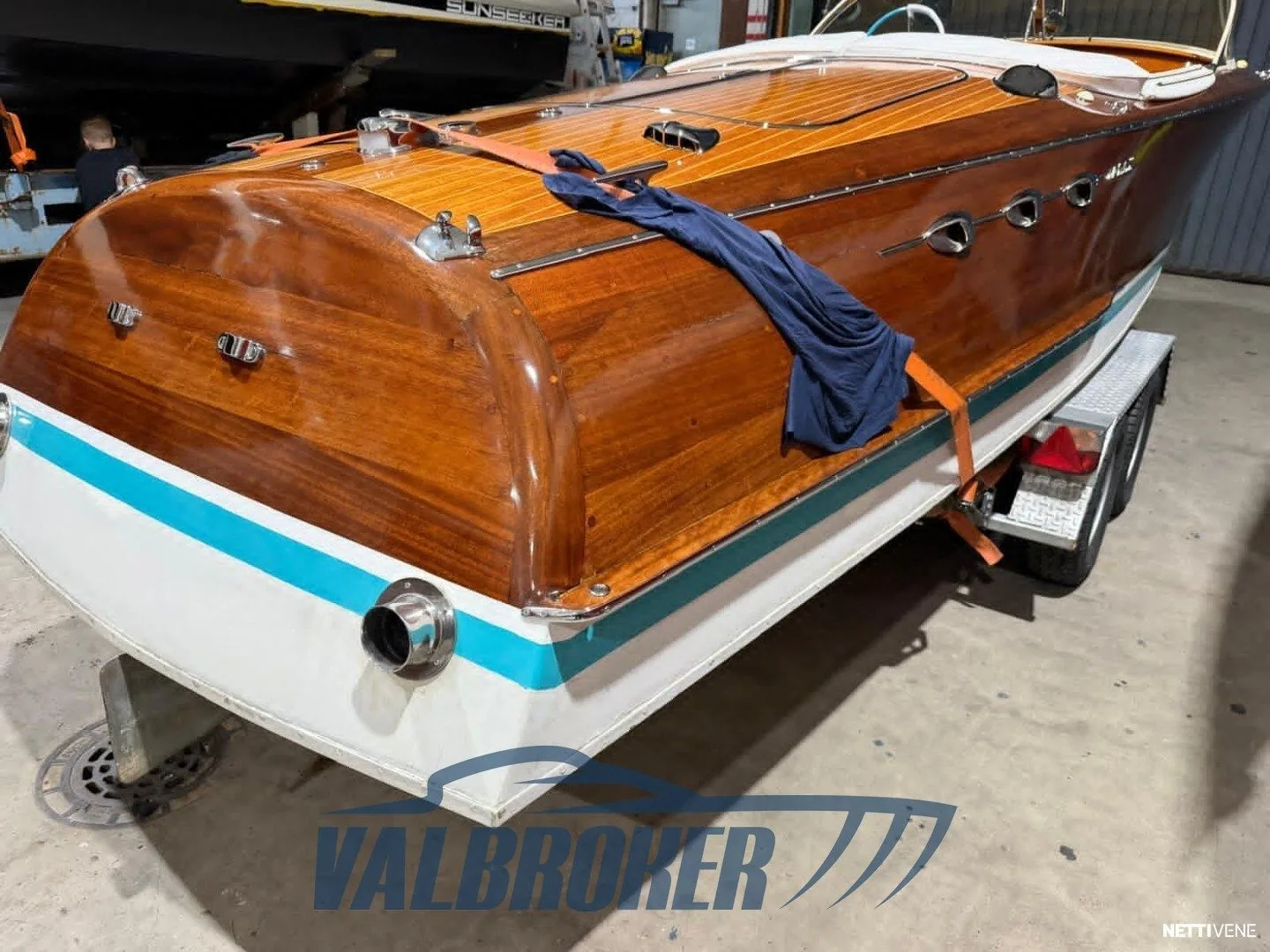
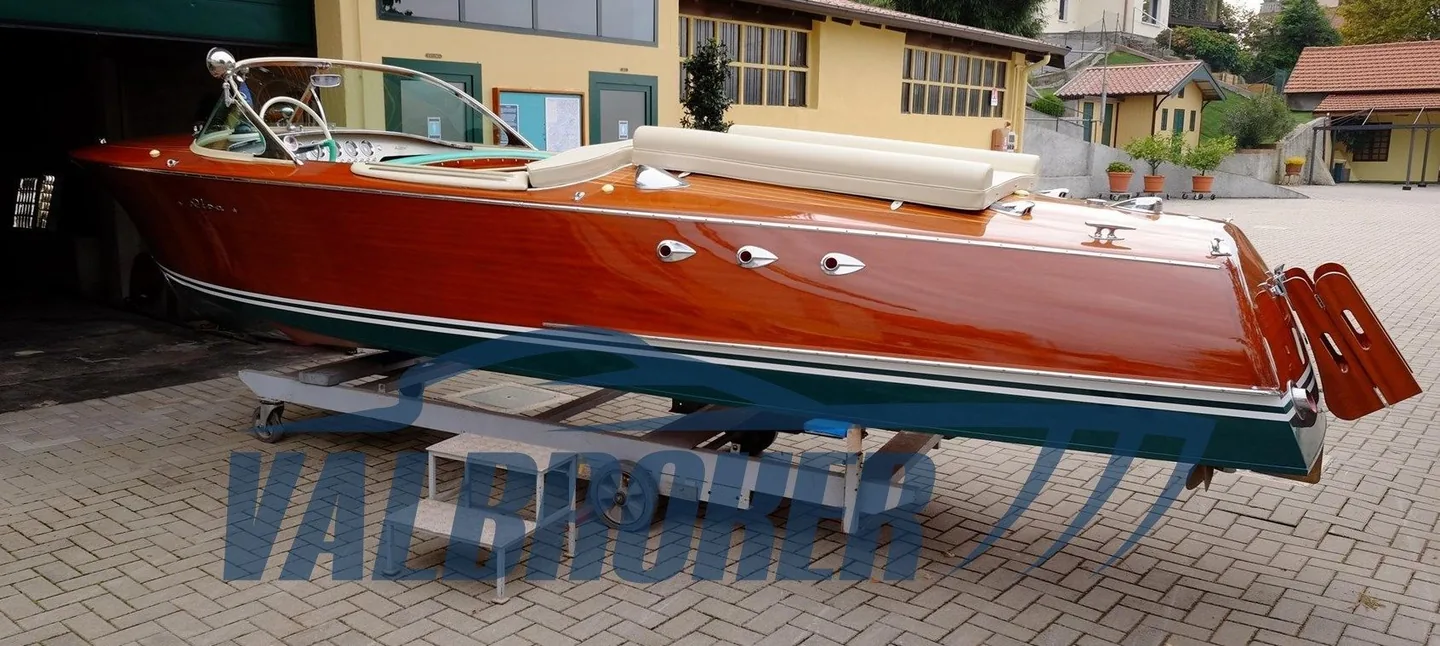
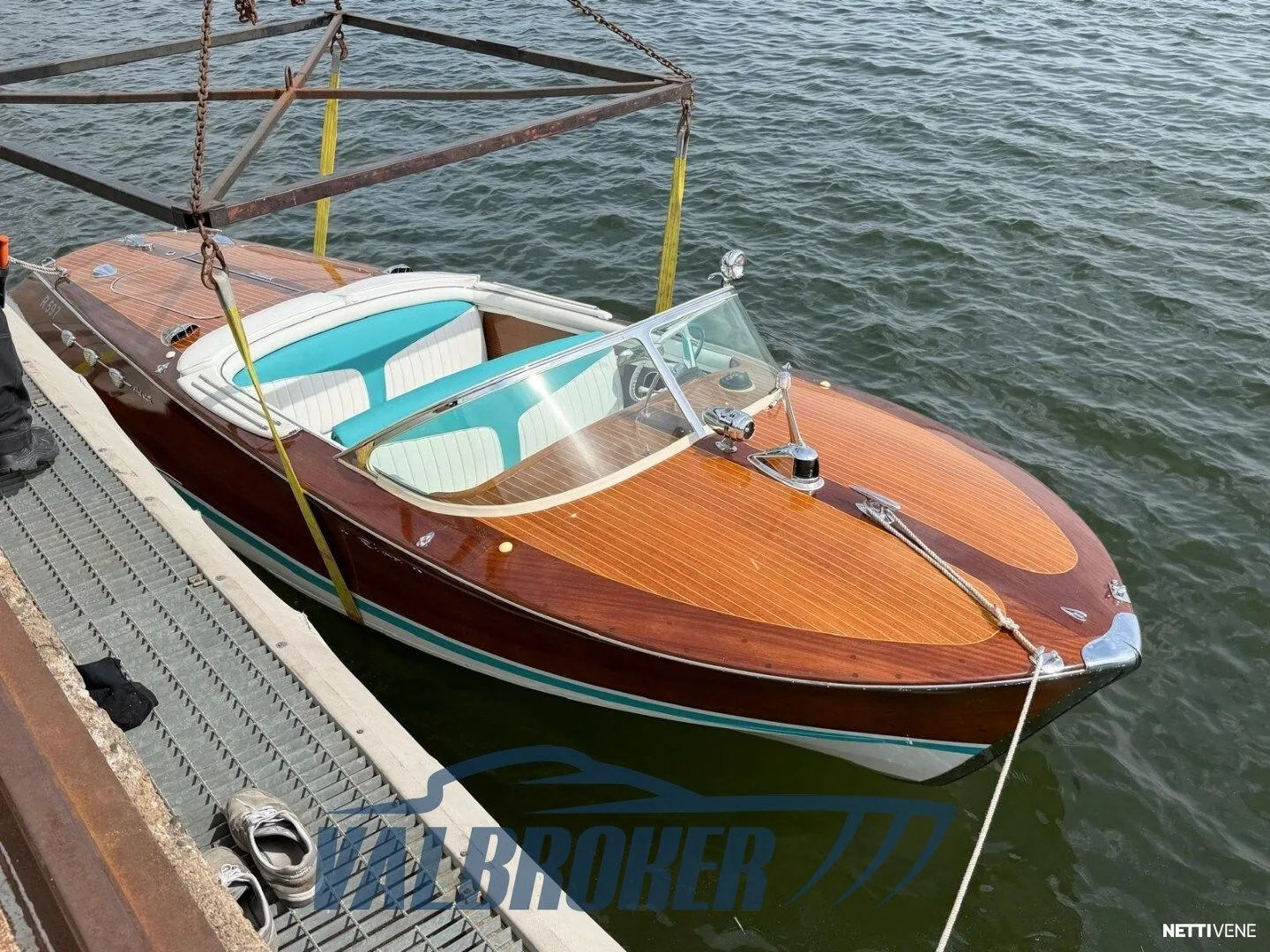
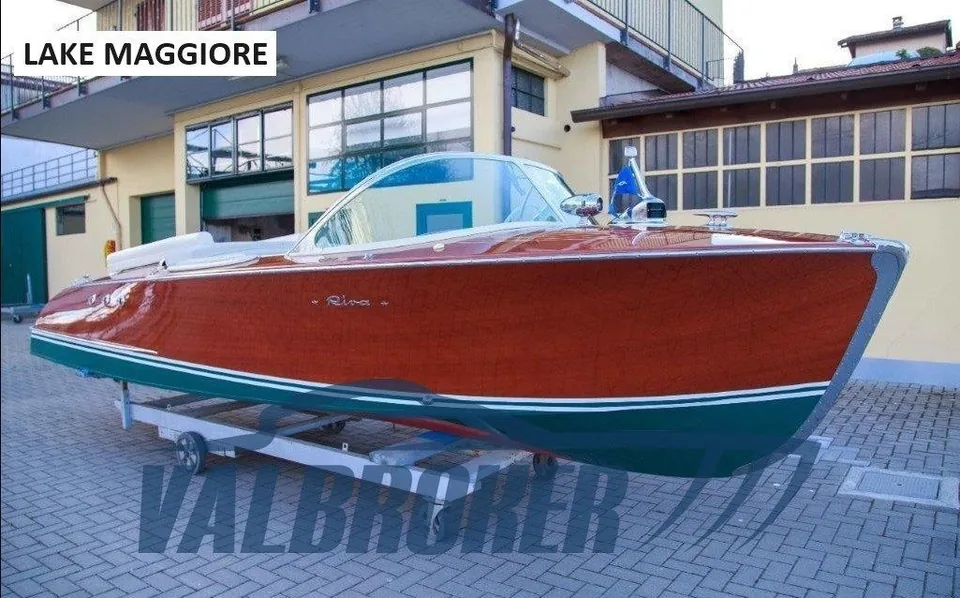
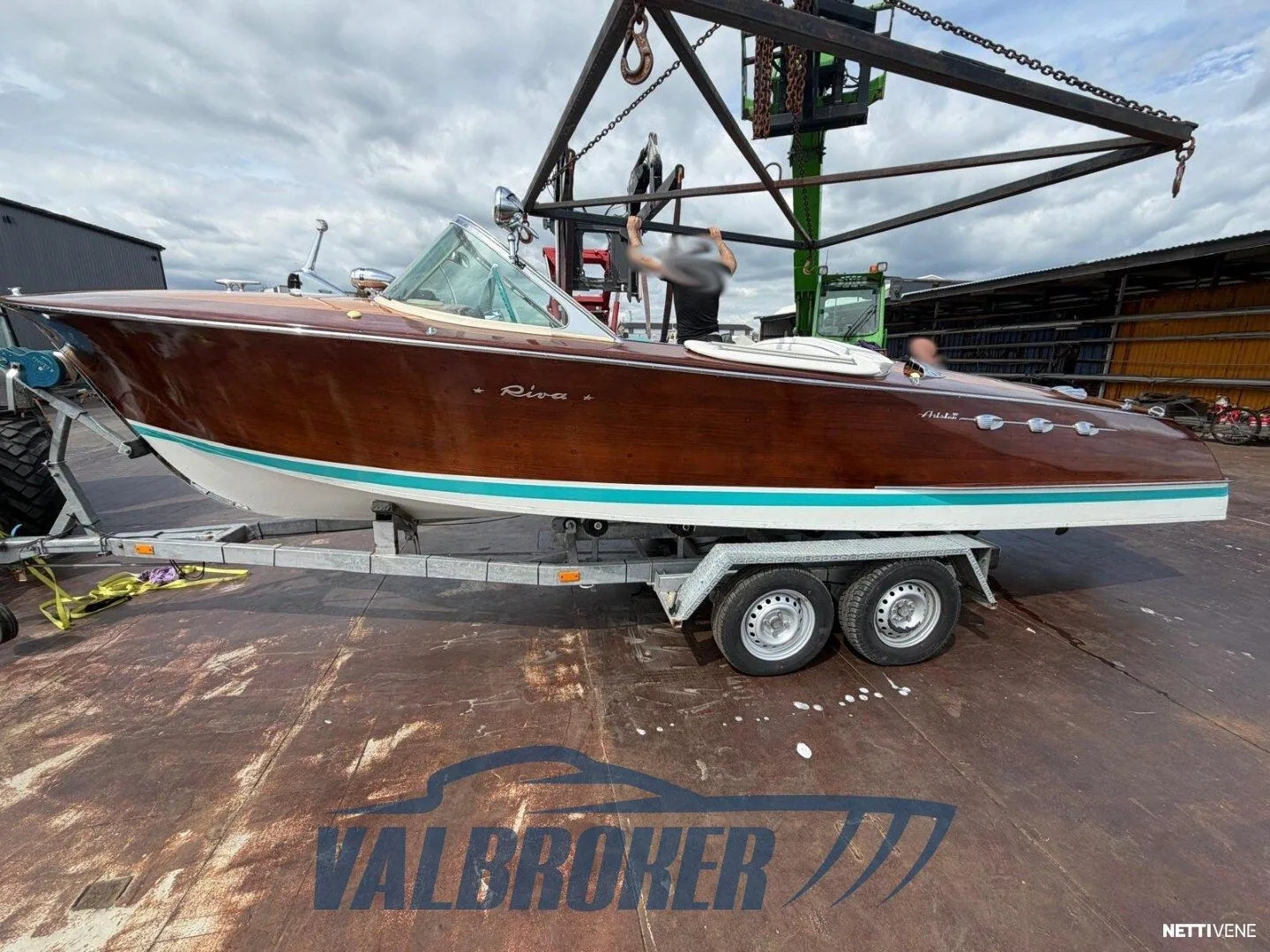
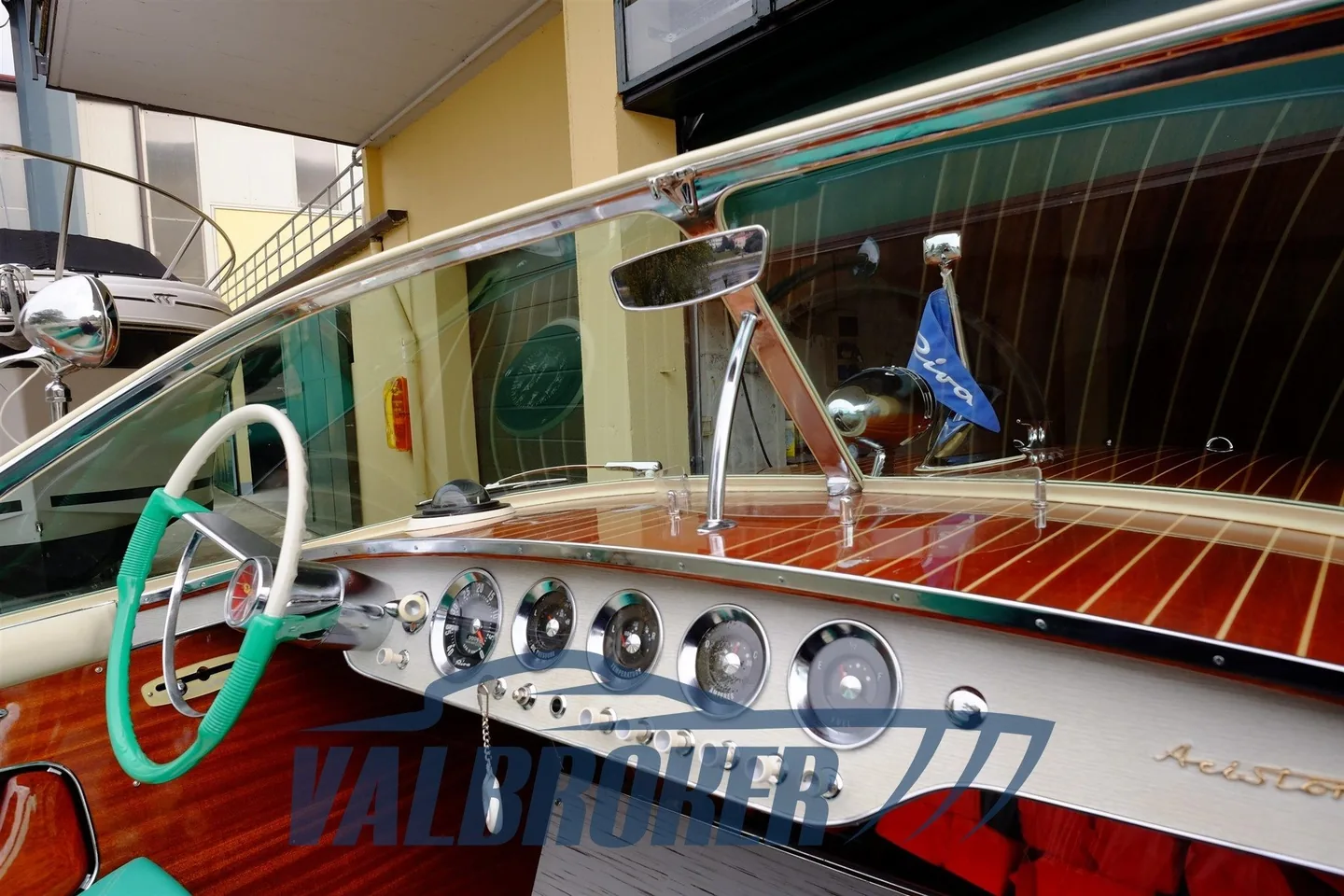
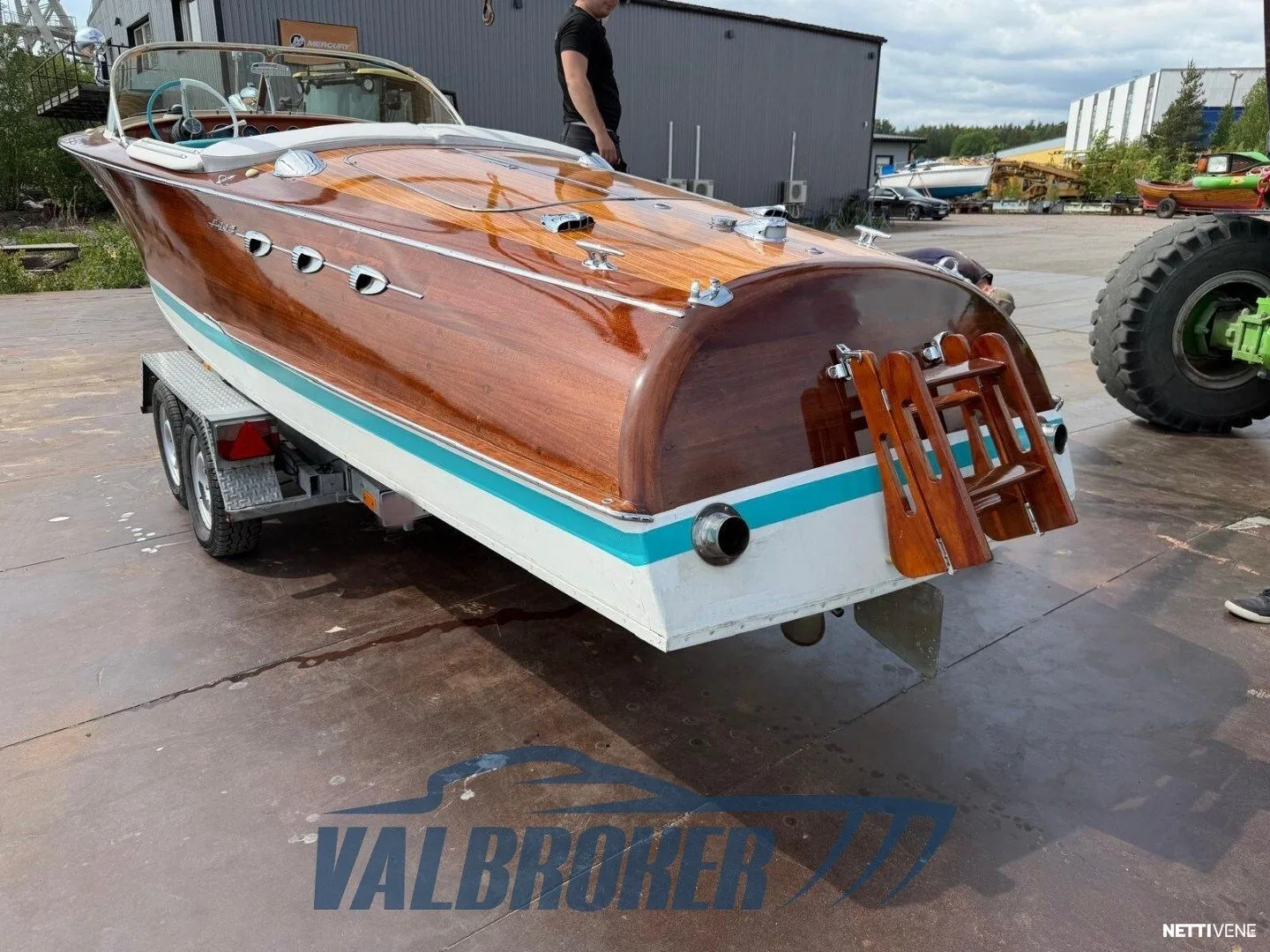
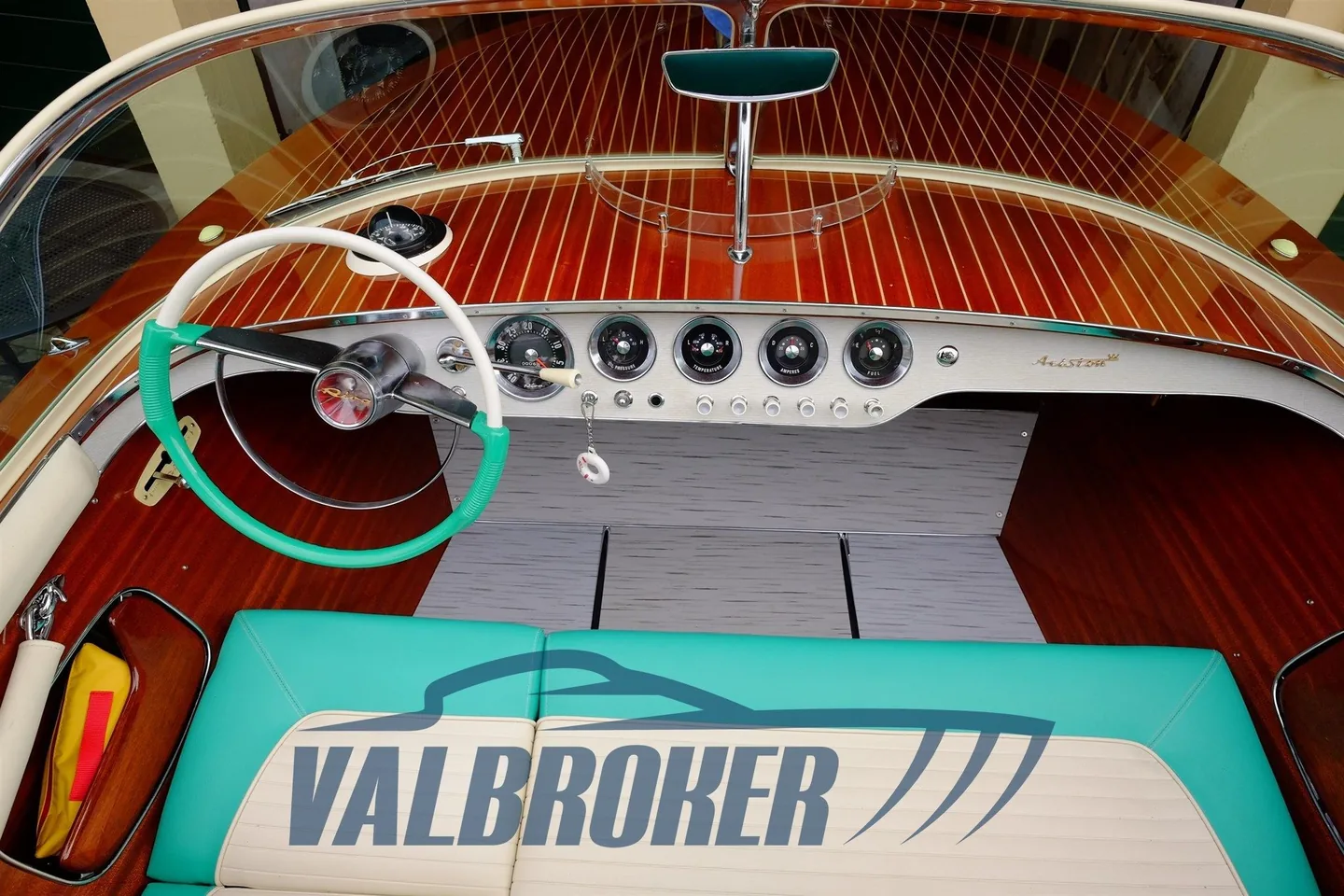
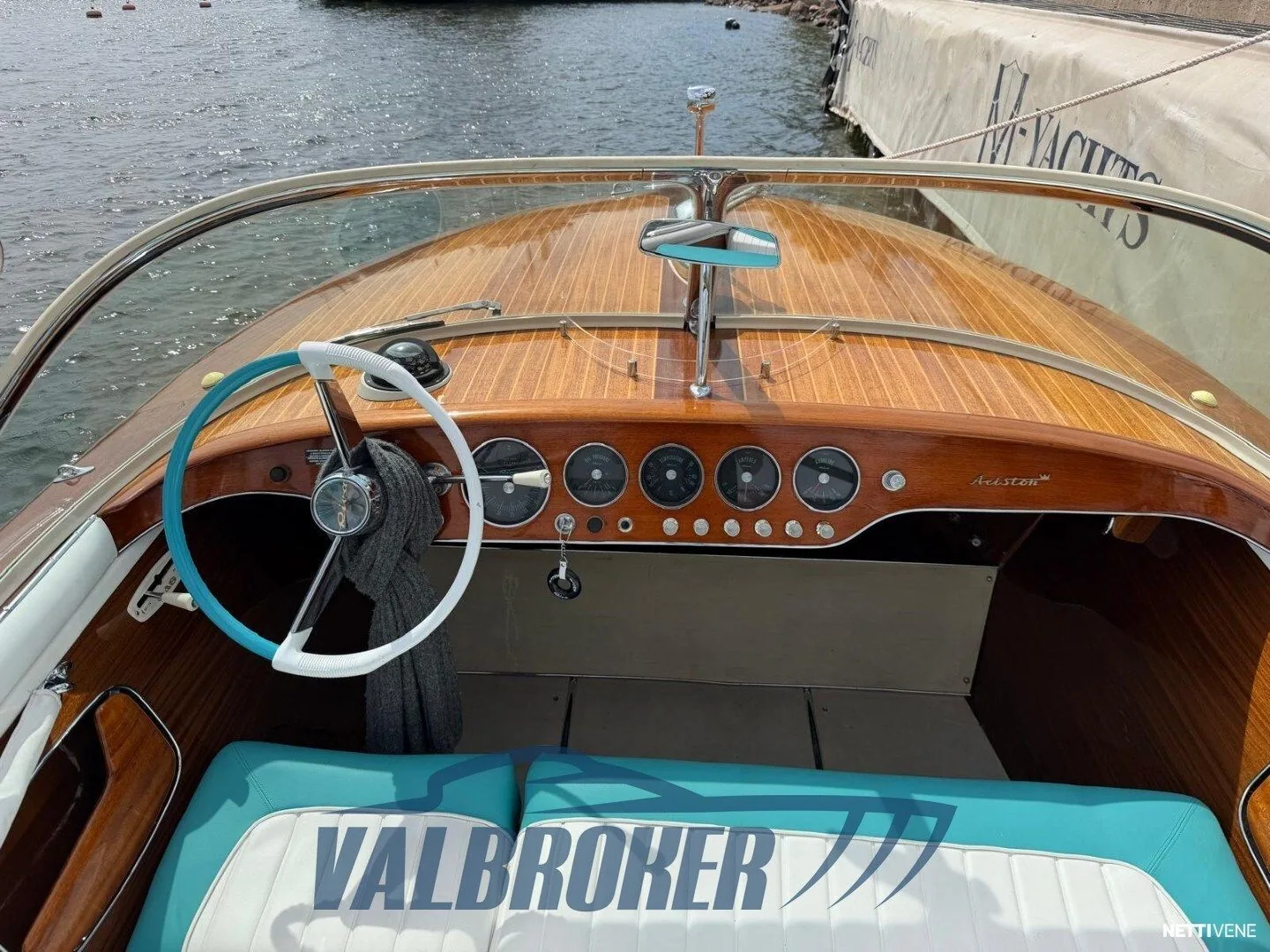
The Riva Ariston is a wooden classic that must be assessed by hull number, configuration and restoration record rather than through one timeless specification sheet. Riva's official heritage page describes the model family, while the two Batoo observations concern individual boats dated 1961 and 1964. Several listing fields differ from specialist production chronologies, so those differences are treated as questions to resolve, not numbers to blend.
Design, specifications and evolving variants
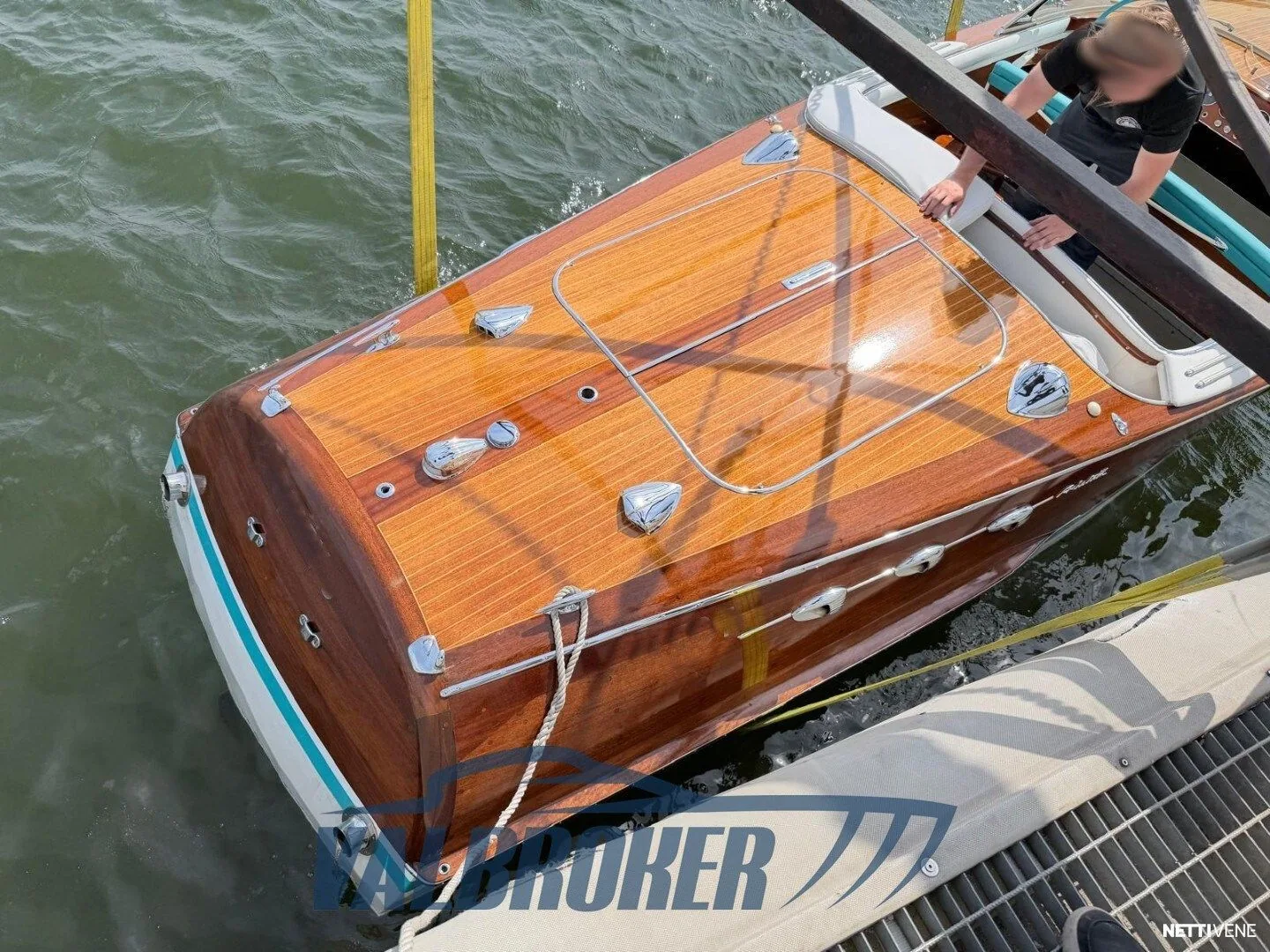
The Ariston is a single-engine open runabout with two cockpit benches. Riva's heritage account gives six-person seating, a representative length of 6.52 metres, 220 hp and a speed of about 70 km/h. It also identifies the solid-wood gunwale, an optional pad above the engine compartment and a car-inspired folding hood as important features. These are family-level facts, not proof that every surviving hull retains that arrangement.
Production was evolutionary. Riva Club Sweden records standard Ariston lengths from 6.24 to 6.80 metres, beams from 1.95 to 2.16 metres and outputs from 105 to 220 hp. It treats the longer, more powerful Super Ariston and the rare Cadillac-powered version separately. Its year narrative says 1961 brought a stainless fuel tank and detail changes, whereas the 1964 series grew to 6.60 metres and received a redesigned dashboard and side vents.
| Reference | Length | Beam | Declared engine/output | How to read it |
|---|---|---|---|---|
| 1961 archive sequence | 6.47 m in the detailed annual table | 2.16 m | Chrysler Sea-V M80, 177 hp | expected period configuration |
| 1961 Batoo offer | 6.80 m | 2.16–2.20 m across supplied fields | Chrysler, 177 hp | listing data requiring document checks |
| 1964 archive sequence | 6.60 m | 2.16 m | Chris-Craft 283 V8, 185 hp | expected period configuration |
| 1964 Batoo offer | 6.60 m | 2.20 m | Crusader Marine, 185 hp | possible repower or different classification |
No average would be meaningful. The archive associates 6.80 metres on standard Aristons with the later 1967 redesign, yet the 1961 listing uses that length. It also places the 185 hp Chris-Craft in 1964 production, while the offer names Crusader Marine. Measurement conventions, repowering, refurbishment or data-entry error are all possible; the evidence available here cannot choose among them.
Reasoned strengths and limitations
The Ariston's appeal comes from compact proportions, a sociable cockpit and an unmistakably timber-built structure. A single engine means fewer major mechanical systems than on contemporary twin-engine Rivas, while a length around six and a half metres can make specialist road transport feasible. Ownership value, however, depends on structural integrity and the standard of previous work, not merely deep varnish and bright chrome.
Its limitations are inseparable from its character. Bottom structure, frames, seams, fastenings and coatings require knowledge of classic wooden craft; storage, drying and relaunch procedures demand more care than a modern glass-reinforced plastic runabout. A polished presentation cannot exclude trapped moisture, undocumented timber replacement or unsuitable repairs.
Historical variation also makes advertisements hard to compare. A well-engineered replacement engine may improve parts support, yet it changes originality and must be reconciled with registration, shafting, cooling and weight. This dossier contains no independent survey or sea trial, so it offers no first-hand conclusion about either boat's condition, speed, handling or restoration quality.
Ideal use and the right owner
The Ariston suits fair-weather day boating, classic-boat gatherings and lake or sheltered coastal operation. Twin cockpit benches favour conversation and open-air driving, but the layout is not intended for cruising accommodation, large payloads or all-season protection. Buyers seeking overnight comfort or low-touch daily use should compare modern runabouts or cabin boats instead.
The right custodian has access to a yard that genuinely understands varnished wooden Rivas, ventilated storage and planned preventive maintenance. The acquisition budget should leave room for transport, lifting, insurance and corrective work. Provenance matters as much as equipment: build number, engine identity, gauges, upholstery and restoration photographs should form one consistent, traceable record.
Originality and usability may point in different directions. A highly authentic powertrain can involve specialist operation and scarce components; a sympathetic repower may be easier to support but less attractive to a collector. The important step is to define the desired balance before viewing boats, then verify every modification against that purpose.
Used-boat checks before commitment
Commission an independent surveyor with specific experience of classic Riva construction. Out of the water, the survey should cover bottom planking or laminated panels, keel, frames, transom, fasteners and the shaft area. A controlled launch and trial can then examine leakage, cooling, exhaust, vibration, steering and engine behaviour, provided safety and insurance arrangements are settled first.
Reconcile the hull number, claimed year, registration documents, invoices and dated restoration photographs. Statements about rebuilt bottoms, renewed decks or engine hours remain seller claims until documents and a competent inspection support them. The 1964 boat particularly needs a documented engine history; the 1961 boat needs its length and identity resolved against build records.
Petrol installations deserve close attention. Inspect the tank, hoses, shut-offs, ventilation, electrical protection, exhaust and fire equipment, then examine shaft alignment, propeller, bilge systems and any later charging equipment. A written estimate for immediate defects and the first two years of planned work provides a better ownership figure than purchase price alone.
Insurance and logistics should be checked before a deposit. Some insurers may require a recent survey, navigation limits or specific storage, while cross-border movement can add cradle, lifting and documentation costs. None of these items is captured by an asking-price comparison.
Alternatives and programme comparison
| Model | Reason to consider it | Principal trade-off |
|---|---|---|
| Riva Super Ariston | related form with greater length and output | higher running burden and its own version complexity |
| Riva Florida | smaller Riva day runabout | less cockpit space and a different visual presence |
| Riva Aquarama | larger twin-engine icon | substantially greater capital, size and maintenance |
| Classic Boesch | another established wooden-runabout tradition | different marque history and collector context |
Choose by operating programme rather than hierarchy. A Super Ariston or Aquarama is not simply a superior Ariston: power, transport, fuel use and storage requirements change. A Florida or Boesch may make more sense when compact dimensions, simpler logistics or a different engineering lineage matter more than owning this exact model.
Observed prices and methodology
On 27 September 2026, the Batoo dossier recorded two active euro asking prices: €174,900 for the 1964 boat in Finland and €190,000 for the 1961 boat in Italy. The observed band is therefore €174,900–€190,000 from a sample of two. It is not a valuation, an average of completed sales or evidence of the eventual transaction price.
The €15,100 spread cannot isolate the effects of year, engine, provenance, restoration or location. A defensible appraisal would add survey findings, transport, taxes, fees, deferred work and genuinely comparable completed transactions. Batoo analysis uses the range only as a current asking-price reference and keeps incompatible specification fields separate.
Images come from current listings and may depict different individual boats, years and configurations. Brokers and sellers have not reviewed, validated or approved this dossier. Broker Pro means only that a Batoo subscription is active; it is not identity or KYB verification and never guarantees editorial coverage, ranking, a positive assessment or inclusion in the stable article body.
Sources and references
Sources consulted and references retained to verify data and context.
- Riva Heritage — Series production and AristonRiva / Ferretti S.p.A.
- Riva Ariston year-by-year model historyRiva Club Sweden
- Batoo listing — Riva Ariston 1964Batoo
- Batoo listing — Riva Ariston 1961Batoo