Sea Ray 315 Sundancer: versions and used guide
A practical guide to the early-2000s Sea Ray 315 Sundancer: 280DA identity, dimensions, engines, used-boat checks and observed Batoo asking prices.
In brief
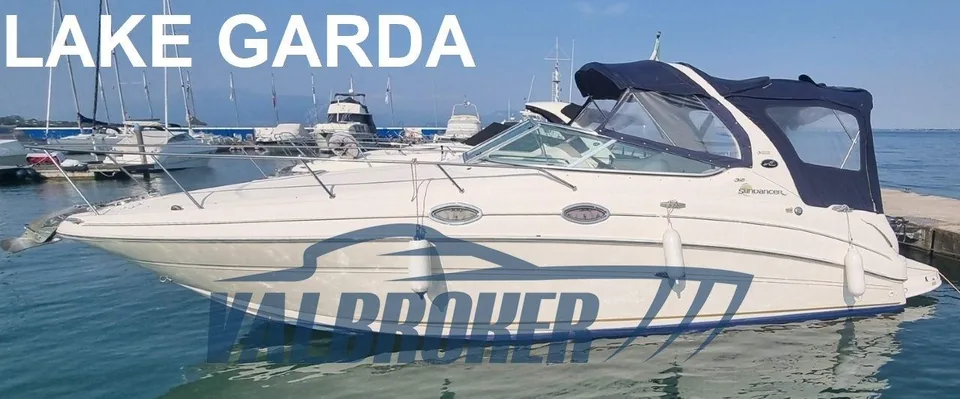
The early-2000s Sea Ray 315 Sundancer, the international designation for the 280DA platform, suits couples wanting a sociable express cruiser for day trips and short overnight stays. It combines a useful cockpit, enclosed head and convertible berths. Its main caveat is twin-engine and twin-sterndrive complexity, making service history and an independent survey more important than displayed hours.
Article outline
Model factsheet
Editorial data from official sources and observed listings. Open only the level of detail you need.
Key facts
- Observed years
- 2002–2005
- Length
- 8.72 m
- Beam
- 2.89 m
- Draft
- 0.9 m
Specifications and engines
2× Mercruiser 4.3L MPI ALPHA 1 225 hp · 2× Mercruiser 4.3 mpi 225 hp
Observed prices
Observed asking prices from eligible active Batoo listings in this dossier, grouped by currency. This is not a valuation: taxes, equipment, condition, year and negotiation can change the final price.
Observed listings (2)
Listings form the dossier dataset and may change or become unavailable.
Images come from active Batoo listings and may show different individual boats, years and configurations. Brokers and sellers have not reviewed or approved this dossier. Broker Pro indicates an active subscription, not identity verification, and never guarantees editorial coverage, placement or assessment.
See 315 SUNDANCER listings on BatooListing photographsReal photographs from listings included in the dossier, with a link to each source.
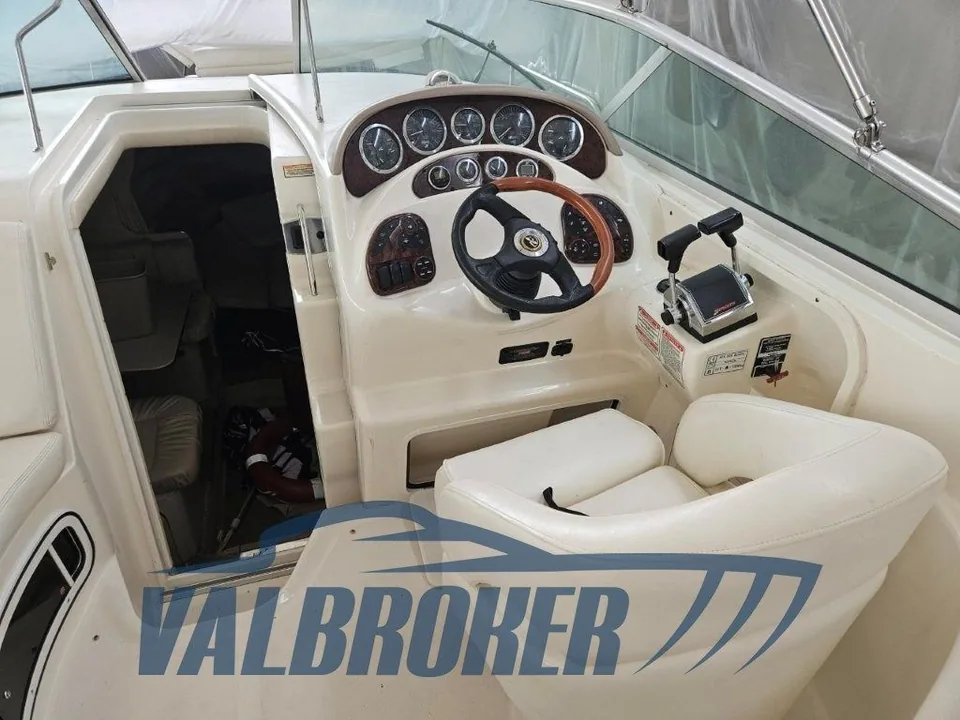
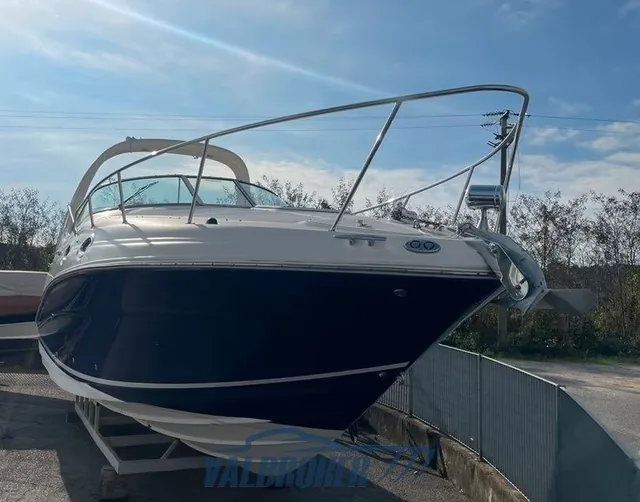
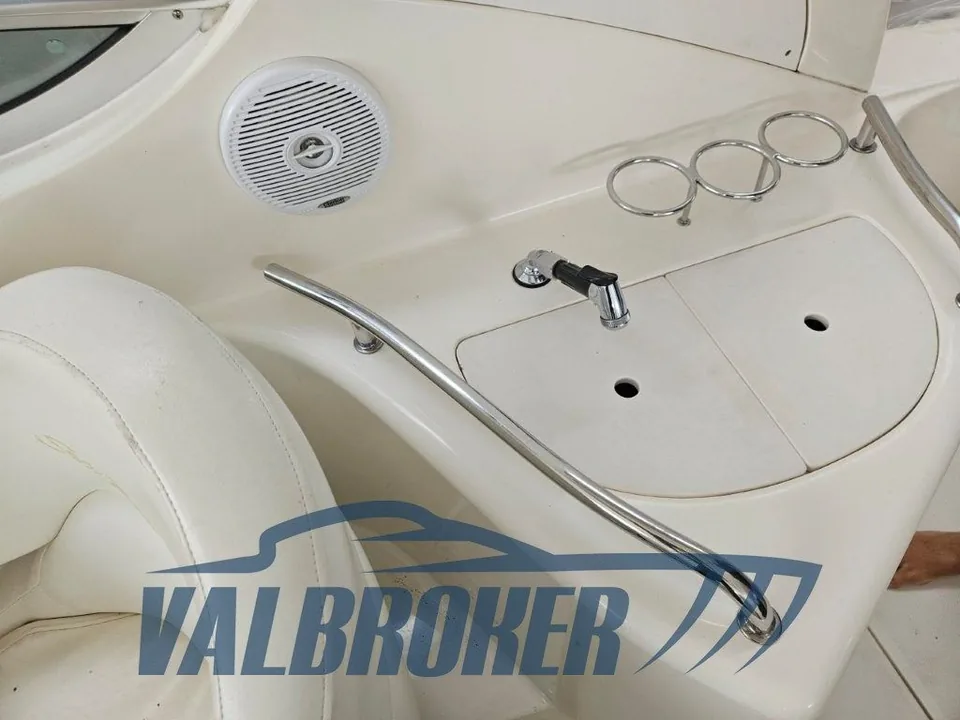
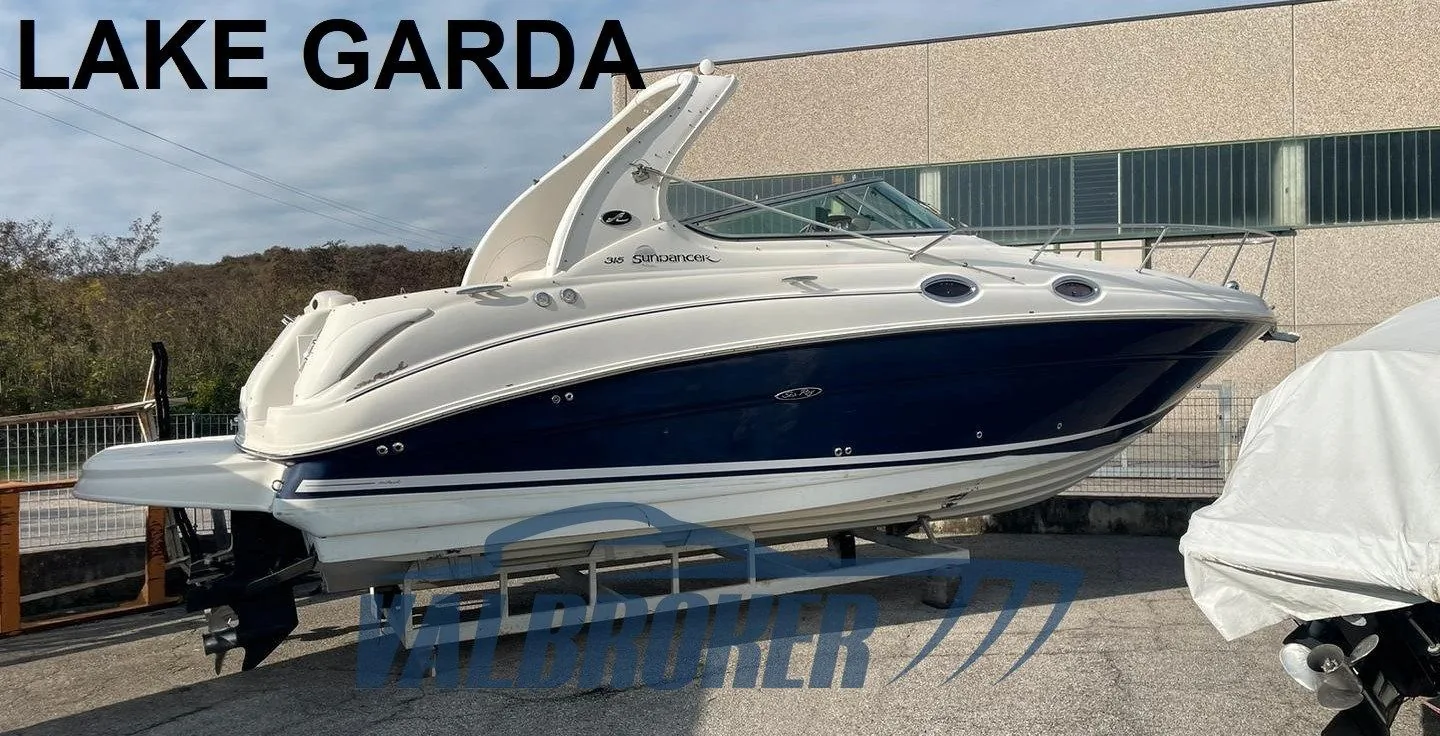
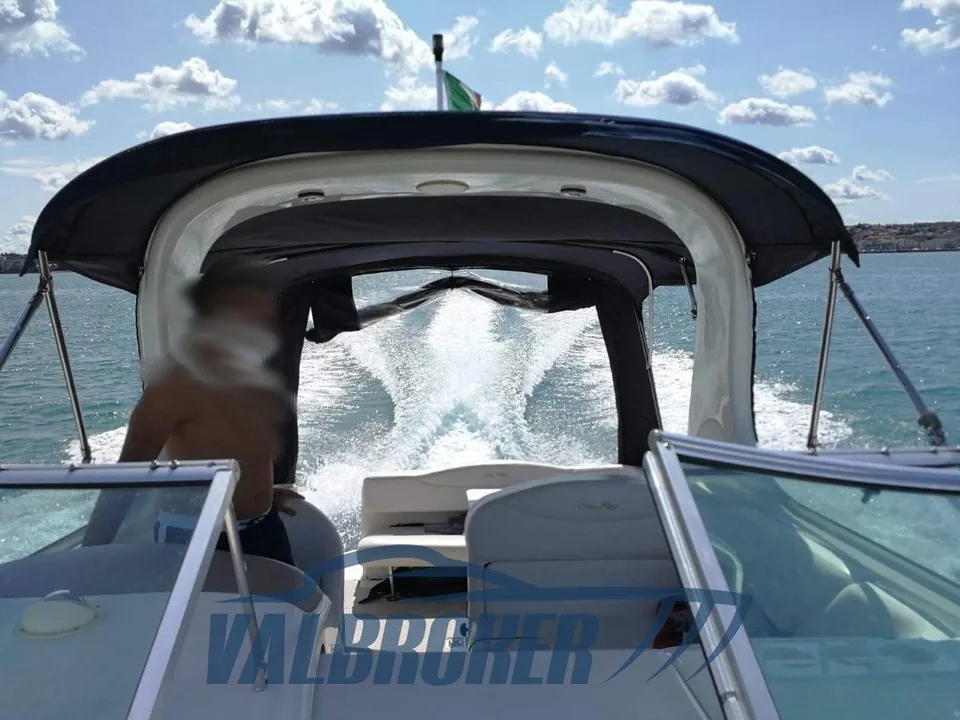
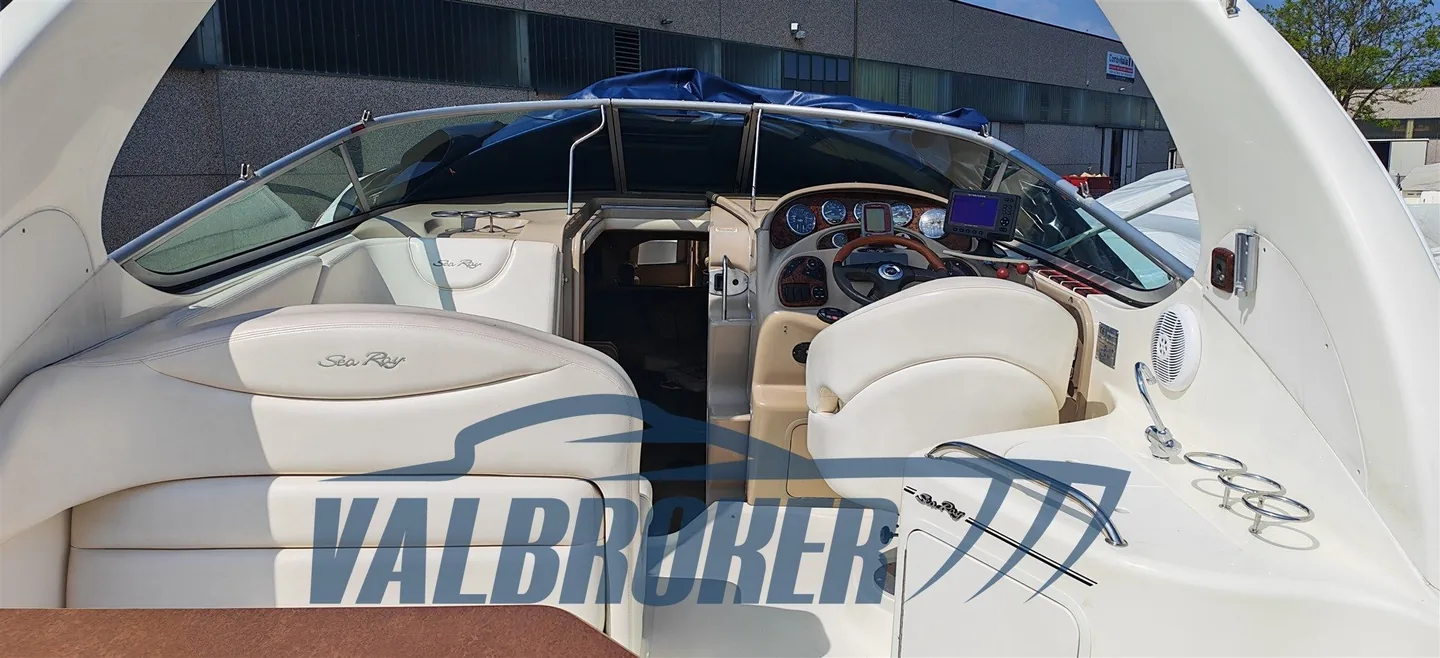
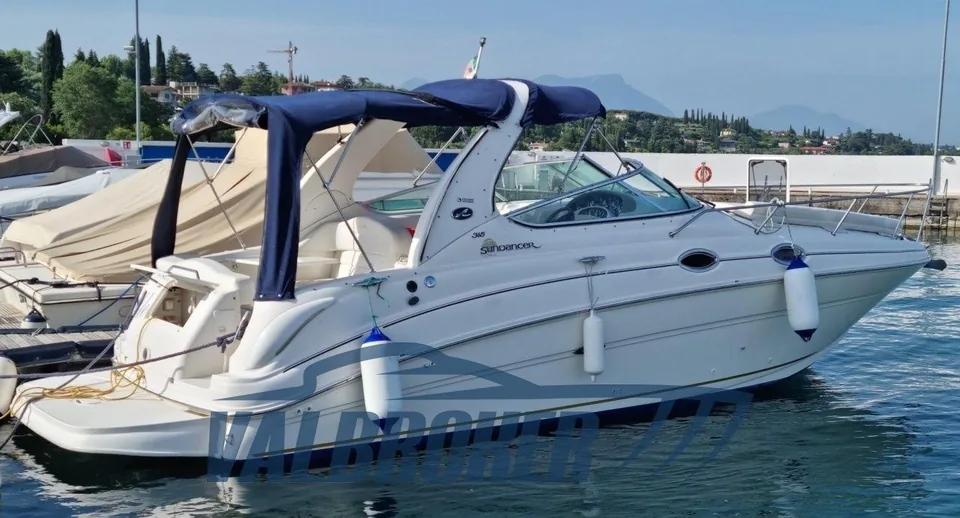
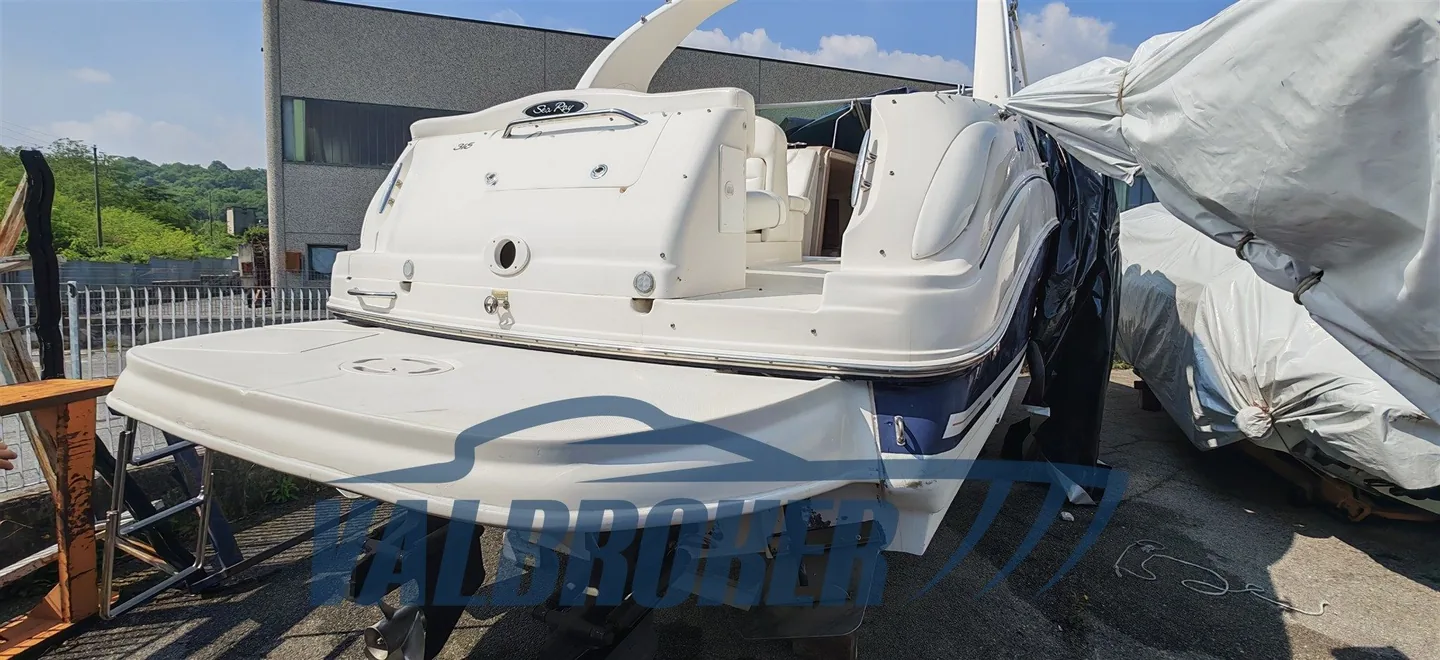
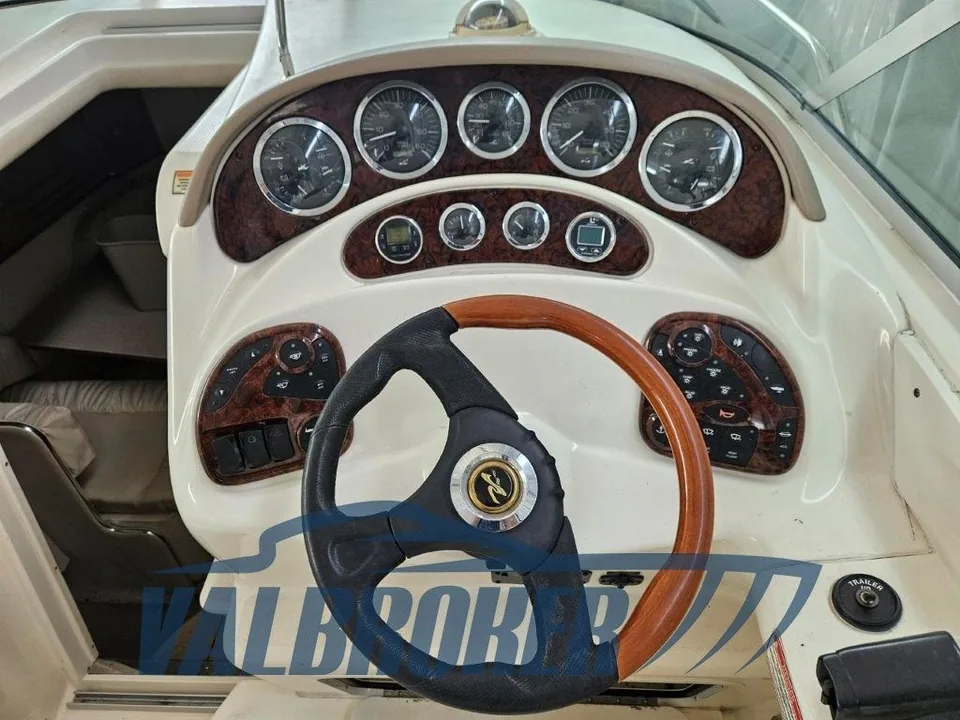
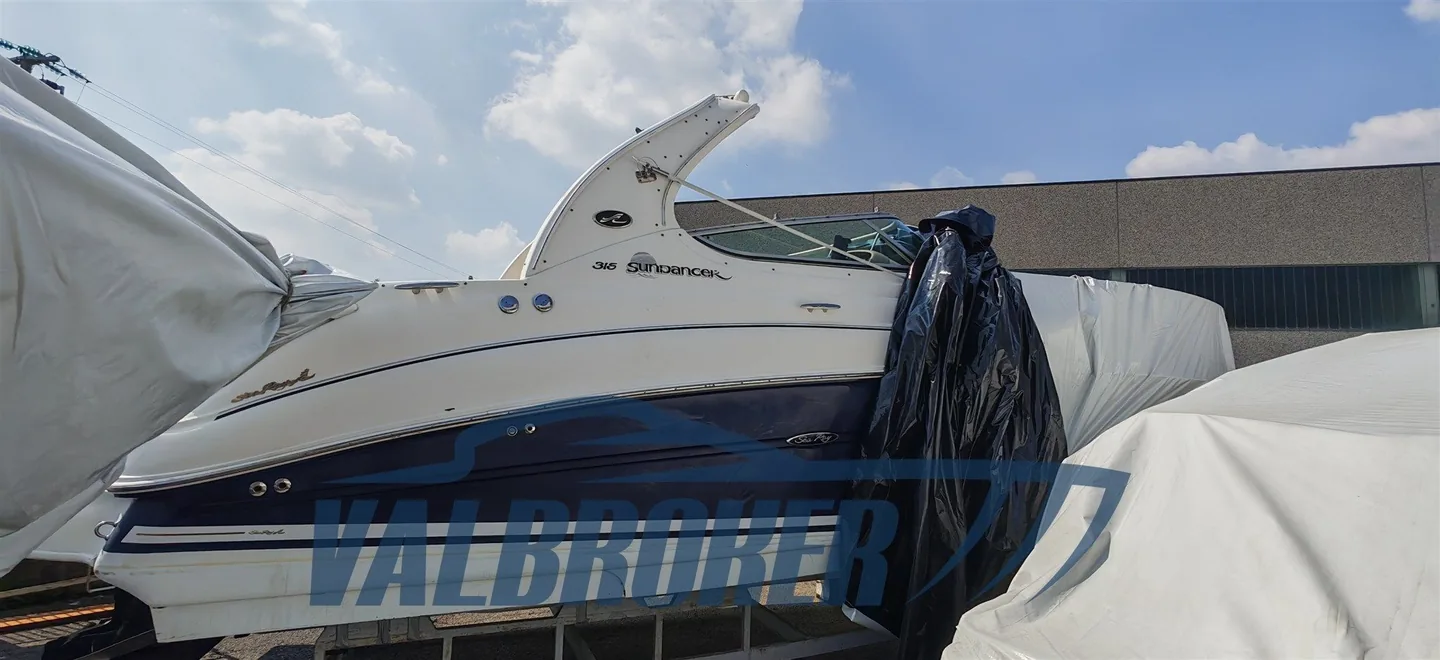
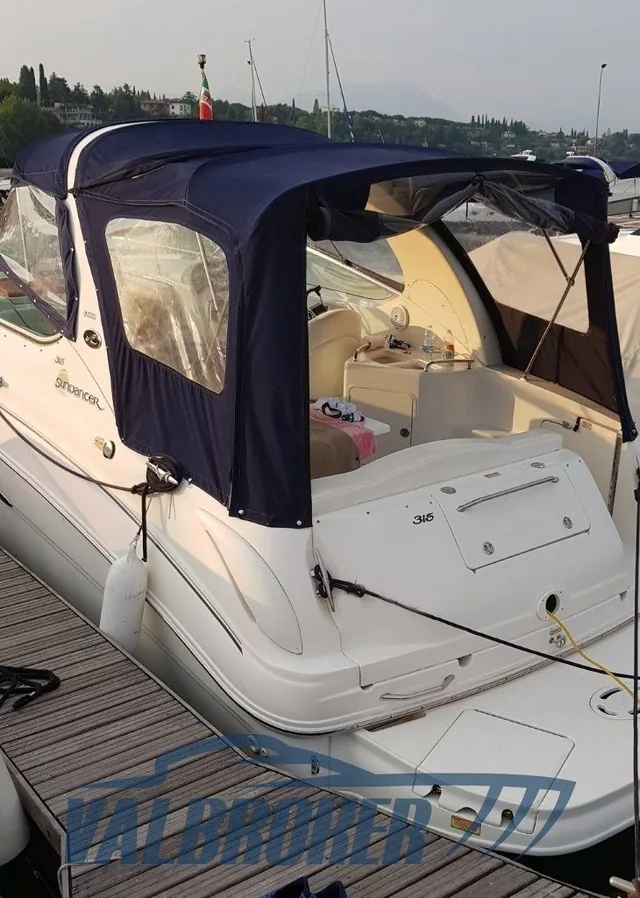
The early-2000s Sea Ray 315 Sundancer is a compact express cruiser designed to combine sociable day boating with short overnight stays. Its name needs decoding: Sea Ray’s period documentation calls the underlying platform the 280 Sundancer, while 315 is the international-market designation commonly encountered in Europe. This guide is limited to the 2002–2005 boats represented in the Batoo dossier, not later Sundancers with similar numbers.
Model identity and dimensions
Sea Ray’s sheet printed in August 2002 for the 2003 model year gives an overall length of 9.47 m with the standard extended swim platform, a 2.87 m beam, a 0.991 m draft with the drives down and a dry weight of 3,856 kg. The Batoo dossier records 8.72 m length, 2.89 m beam and 0.90 m draft for the observed boats. Those values should not be averaged: measuring conventions, inclusion of the platform and individual registration data can explain different numbers.
| Item | Sea Ray 2003 sheet | Batoo dossier | Buying interpretation |
|---|---|---|---|
| Length | 9.47 m with platform | 8.72 m | check documents and measurement points |
| Beam | 2.87 m | 2.89 m | treat as a version or record discrepancy |
| Draft | 0.991 m, drives down | 0.90 m | drive position matters |
| Dry weight | 3,856 kg | not stated | not the same as loaded displacement |
The fiberglass planing hull has a factory-stated 21-degree deadrise. A walk-through windshield provides bow access, while the cockpit combines the helm seat, port lounger, folding aft bench and wet bar. Below, the factory arrangement includes a convertible dinette, convertible V-berth, double mid-berth, galley and enclosed head with shower. Listings may describe this as one or two cabins; that is often a counting convention rather than proof of a different moulded interior.
Engines, systems and versions
The 2003 factory sheet lists twin MerCruiser 4.3L MPI Alpha I gasoline sterndrives at 220 hp each as an option. Both Batoo boats report twin 4.3 MPI gasoline engines at 225 hp each, or 450 hp combined; one records 390 hours and the other 200. The five-horsepower difference per engine may reflect model year, rating convention or installed version, so it remains a version difference rather than a value to be corrected.
For the 2003 platform Sea Ray specified 378.5 litres of fuel, 106 litres of fresh water and a 106-litre holding tank. These are reference figures, not certification of either used boat: international packages, replacement tanks and later alterations can change the installed system. Generator, air conditioning, windlass and 220-volt arrangements also appeared as options or packages, so their existence and operation must be checked on the individual hull.
Strengths, compromises and ideal use
The design’s strongest argument is how many functions fit inside a beam under three metres. A social cockpit, galley, separate head and several convertible sleeping zones make a weekend for two plausible while allowing occasional guests. Twin drives can simplify close-quarters control compared with one sterndrive, although they cannot replace practice or compensate for poor visibility and wind judgement.
The compromise follows from the same packaging. Berths rely on convertible seating and space beneath the cockpit, so privacy, headroom and storage do not match a larger cruiser. Two gasoline V6 engines, two sterndrives and hotel systems create multiple maintenance paths. An attainable purchase price does not automatically mean low ownership cost; fuel, berthing, parts and deferred work must be budgeted against the actual boat.
The natural mission is day cruising with the option of a night or weekend aboard, on inland water or coastal routes, for owners who value cockpit life and accept compact accommodation. Offshore suitability, capacity and required equipment must come from the particular boat’s documents and operating area. No performance claim is made here because the dossier contains no independent test, and load, propellers, hull condition and engine health materially affect results.
Used-boat inspection priorities
Begin with identity and paperwork. The hull identification number, model year, 280DA/315 designation, applicable conformity record, ownership trail, invoices and manuals should all describe the same vessel. Compare registered dimensions with the berth and lifting plan, especially where the extended platform changes overall length. Any mismatch deserves a written explanation before money changes hands.
An independent surveyor should inspect the hull for repairs, abnormal moisture, stress cracking and movement around fittings. On Alpha I drives, bellows, gimbal components, seals, lubricant, anodes and corrosion history matter; pressure testing and alignment checks say more than clean paint. Engine work should include a cold start, diagnostic data where available, stable temperature, exhaust condition, fluid leaks and evidence for service items such as impellers, manifolds and risers.
Test domestic systems on shore power and batteries. Charger, protection devices, bilge pumps, carbon-monoxide alarm, freshwater pump, water heater, head, refrigerator, cooker, air conditioning and generator should each be operated when installed. A sales inventory only says an item is represented as present; it does not establish that it works or that it is original.
A sea trial should begin cold and include clean engagement, expected full-load engine speed for the installed package, stable temperatures, trim response, steering, vibration and a post-run bilge check. Recorded hours are context rather than condition. A coherent maintenance history and evidence of regular use are more useful than a low number with no supporting records.
Alternatives worth comparing
A Sea Ray 260 Sundancer belongs on the list when berth size and running burden matter more than interior volume. A Sea Ray 290 Sundancer deserves comparison when accommodation and separation are higher priorities. Outside the brand, the Bayliner 285 and Chaparral Signature 290 are sensible search candidates, but year, propulsion and layout vary enough that model names alone are not comparisons.
Use one worksheet for every candidate: documentary length, engine access, genuinely usable berths, head arrangement, shore-power system, immediate works and the cost of the preferred berth. Day-focused buyers should weight cockpit circulation and boarding; frequent overnight users should weight ventilation, privacy and storage. A simpler boat with a coherent history may be a better purchase than a heavily equipped example with unproven systems.
Observed asking prices and method
On 24 September 2026 the dossier contained two active, editorially eligible Batoo asking prices in Italy: €49,000 for a 2002 boat and €54,000 for a 2005 boat. The observed range is therefore €49,000–€54,000 from a sample of two. It is not a valuation or evidence of transaction prices; year, tax status, equipment, condition, required work and negotiation can change the final figure.
One of the two offers is associated with an active Broker Pro subscription. Broker Pro means only an active Batoo subscription; it is not identity or KYB assurance and never guarantees editorial coverage, ranking, inclusion or a favourable assessment. Subscription activity, identity, offer freshness and editorial eligibility remain four separate signals; this dossier reports zero identity-assured offers.
Images come from current Batoo listings and may depict different individual boats, years and configurations. Brokers and sellers have not reviewed, validated or approved this dossier.
Sources and references
Sources consulted and references retained to verify data and context.
- Sea Ray 315 Sundancer 2002 — offerta BatooBatoo
- Sea Ray 315 Sundancer 2005 — offerta BatooBatoo
- Sea Ray 280 Sundancer 2003 specification sheetSea Ray Boats, Inc. · 2002-08-01T00:00:00.000Z
- Sea Ray 280 Sundancer 2002 parts manualSea Ray Boats, Inc. · 2002-01-01T00:00:00.000Z
- Sea Ray 315 international designation cross-referenceRNR-Marine