Used Sealine F 37: versions, checks and prices
An independent used Sealine F 37 guide covering dimensions, KAMD300 and D6 variants, inspection priorities, alternatives and observed Batoo asking prices.
In brief
The Sealine F 37 is an 11.74 m flybridge suited to couples or families wanting two cabins and a second helm for coastal cruising. Its main caveat is twin-engine and duplicated-system complexity; engine designations and head counts also conflict across some records, so the individual boat must be verified.
Article outline
Model factsheet
Editorial data from official sources and observed listings. Open only the level of detail you need.
Key facts
- Observed years
- 2004–2007
- Length
- 11.74 m
- Beam
- 3.78 m
- Draft
- 1.04 m
Specifications and engines
2× Volvo Penta KAD 300 285 hp · 2× Volvo Penta D6 310 hp
Observed prices
Observed asking prices from eligible active Batoo listings in this dossier, grouped by currency. This is not a valuation: taxes, equipment, condition, year and negotiation can change the final price.
Observed listings (2)
Listings form the dossier dataset and may change or become unavailable.
Images come from active Batoo listings and may show different individual boats, years and configurations. Brokers and sellers have not reviewed or approved this dossier. Broker Pro indicates an active subscription, not identity verification, and never guarantees editorial coverage, placement or assessment.
See F 37 listings on BatooListing photographsReal photographs from listings included in the dossier, with a link to each source.
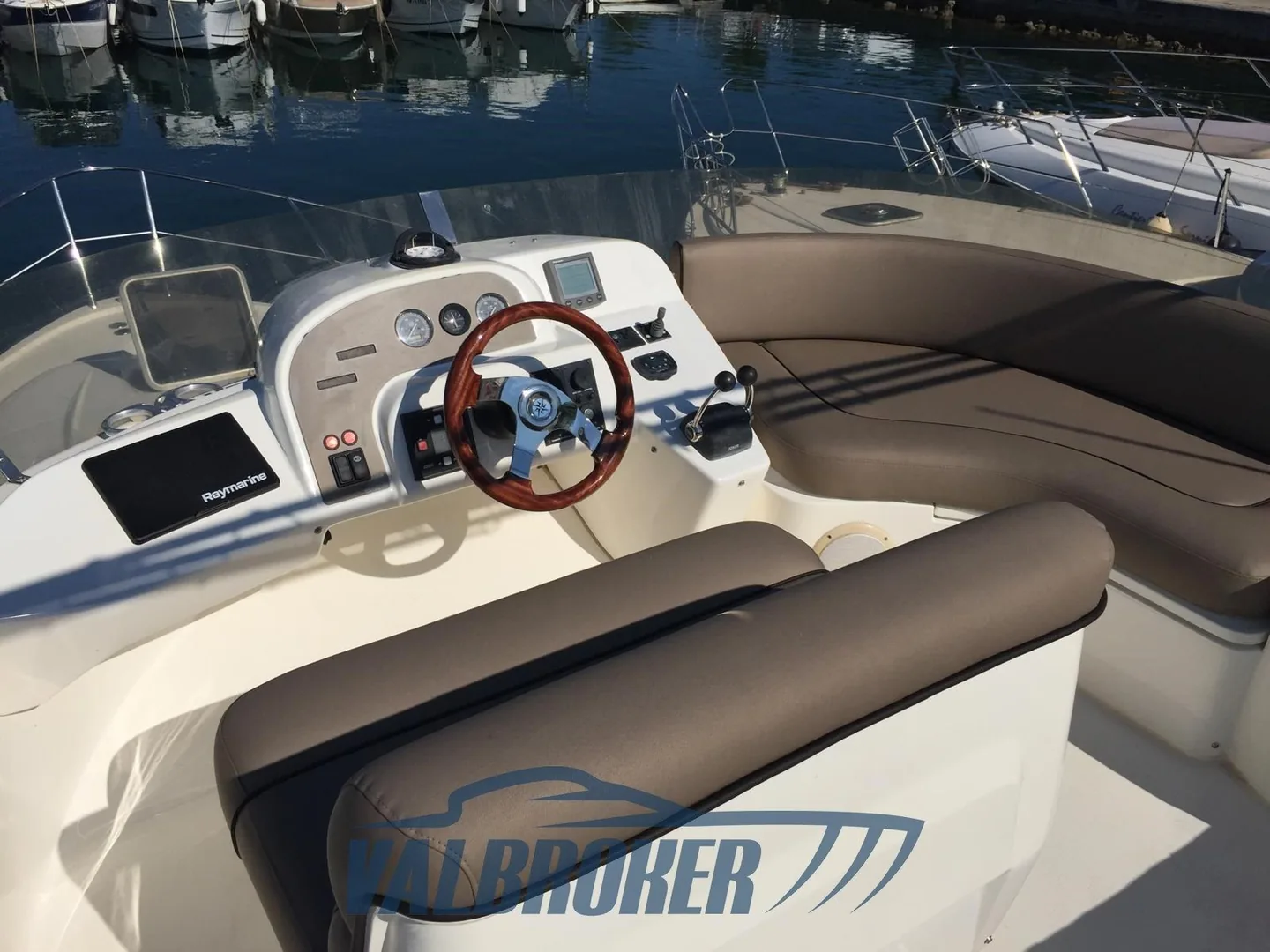
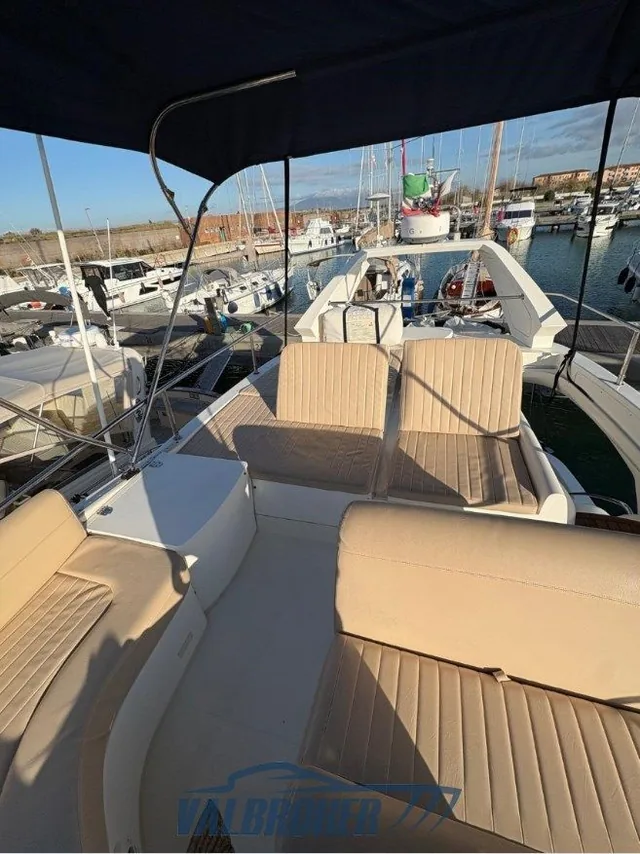
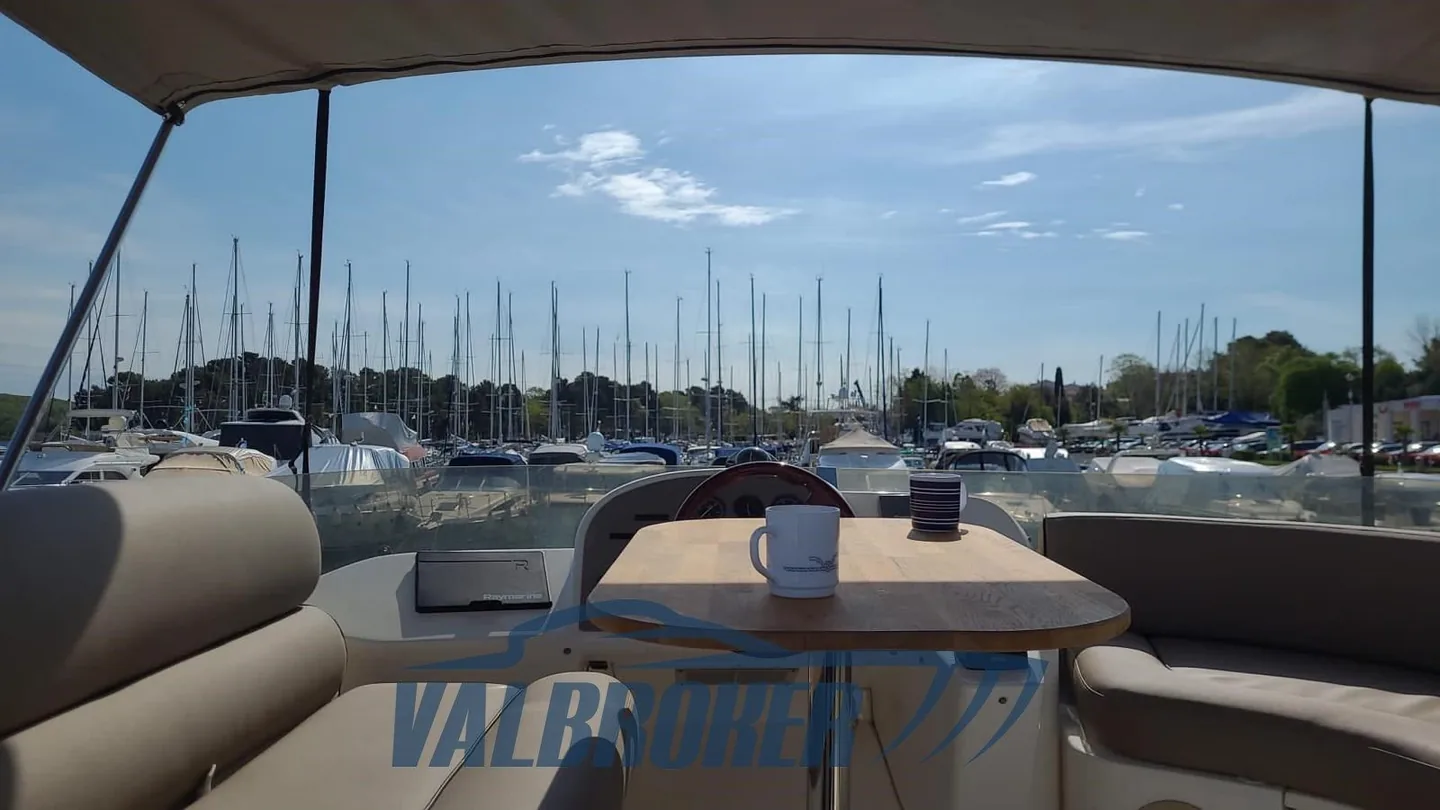
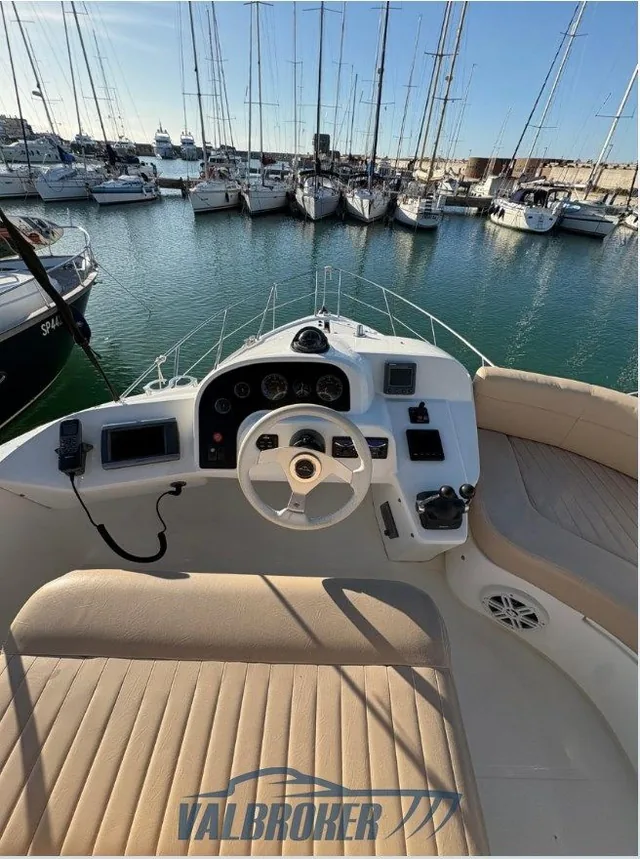
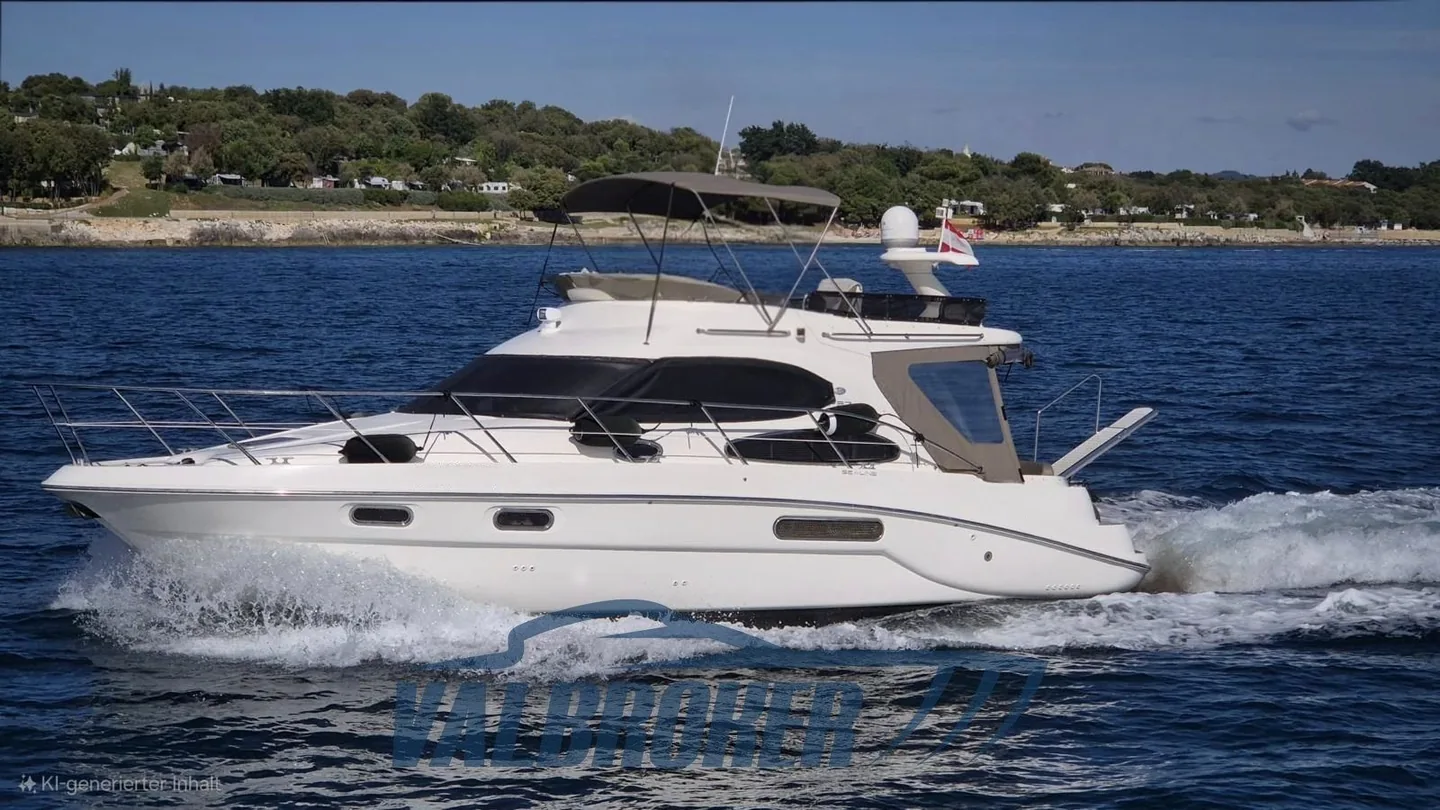
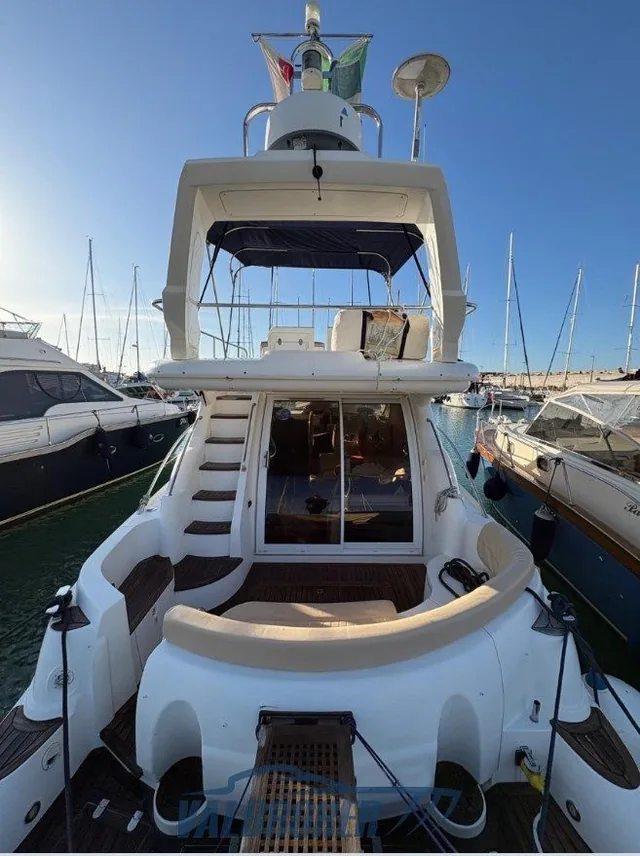
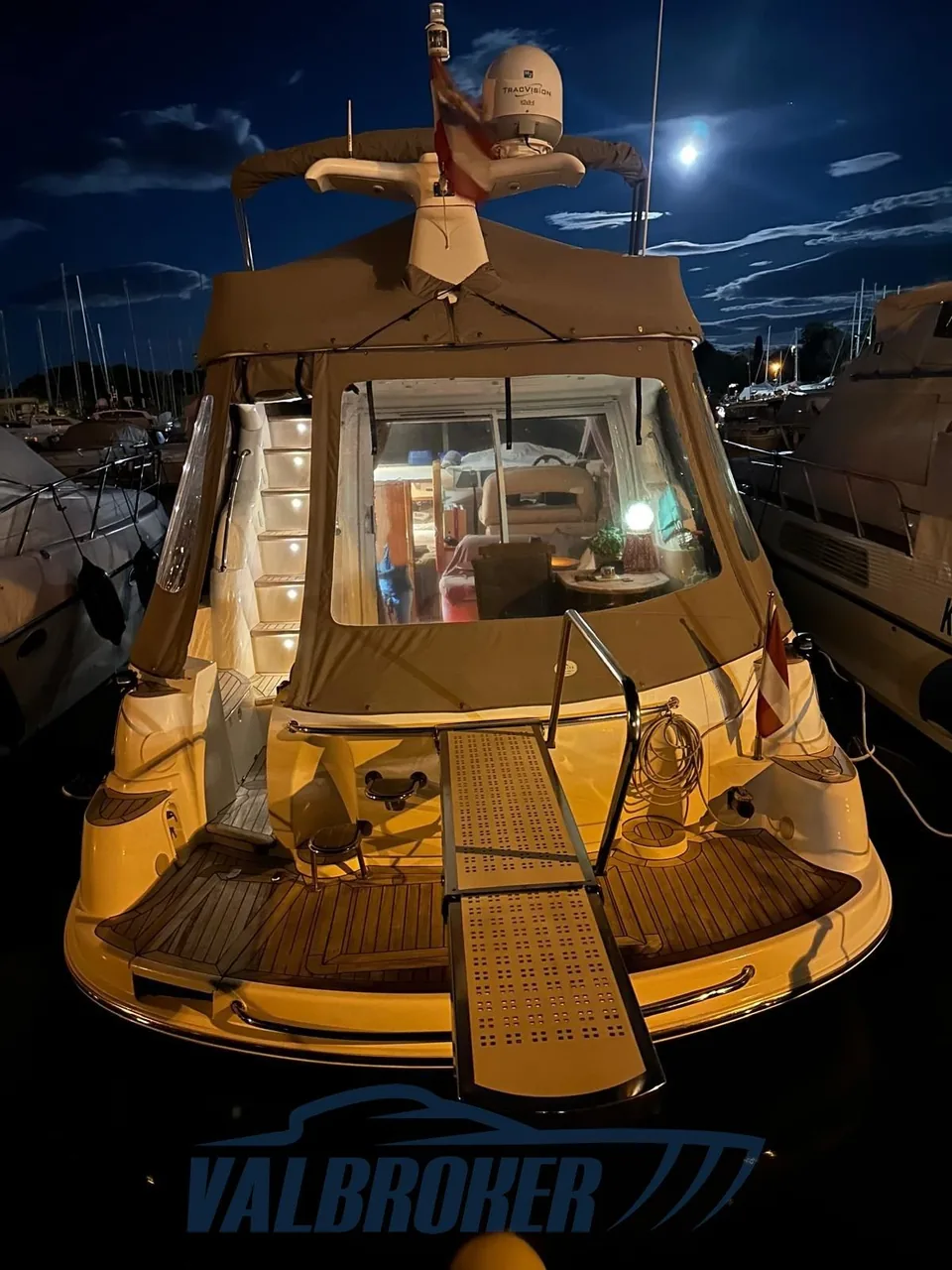
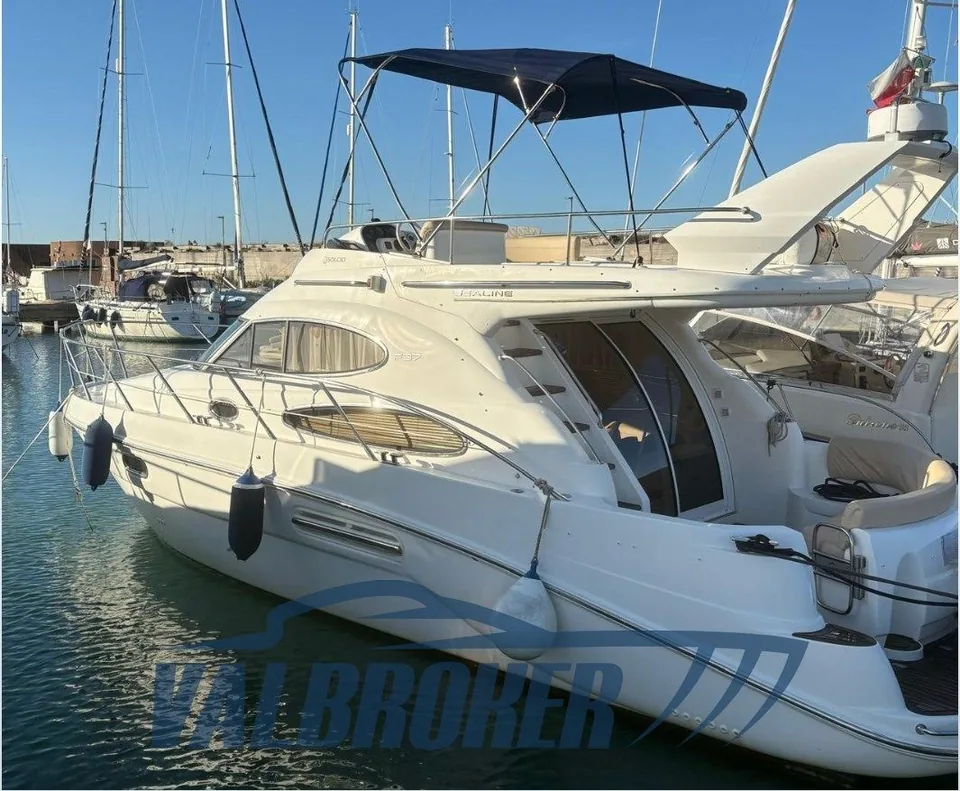
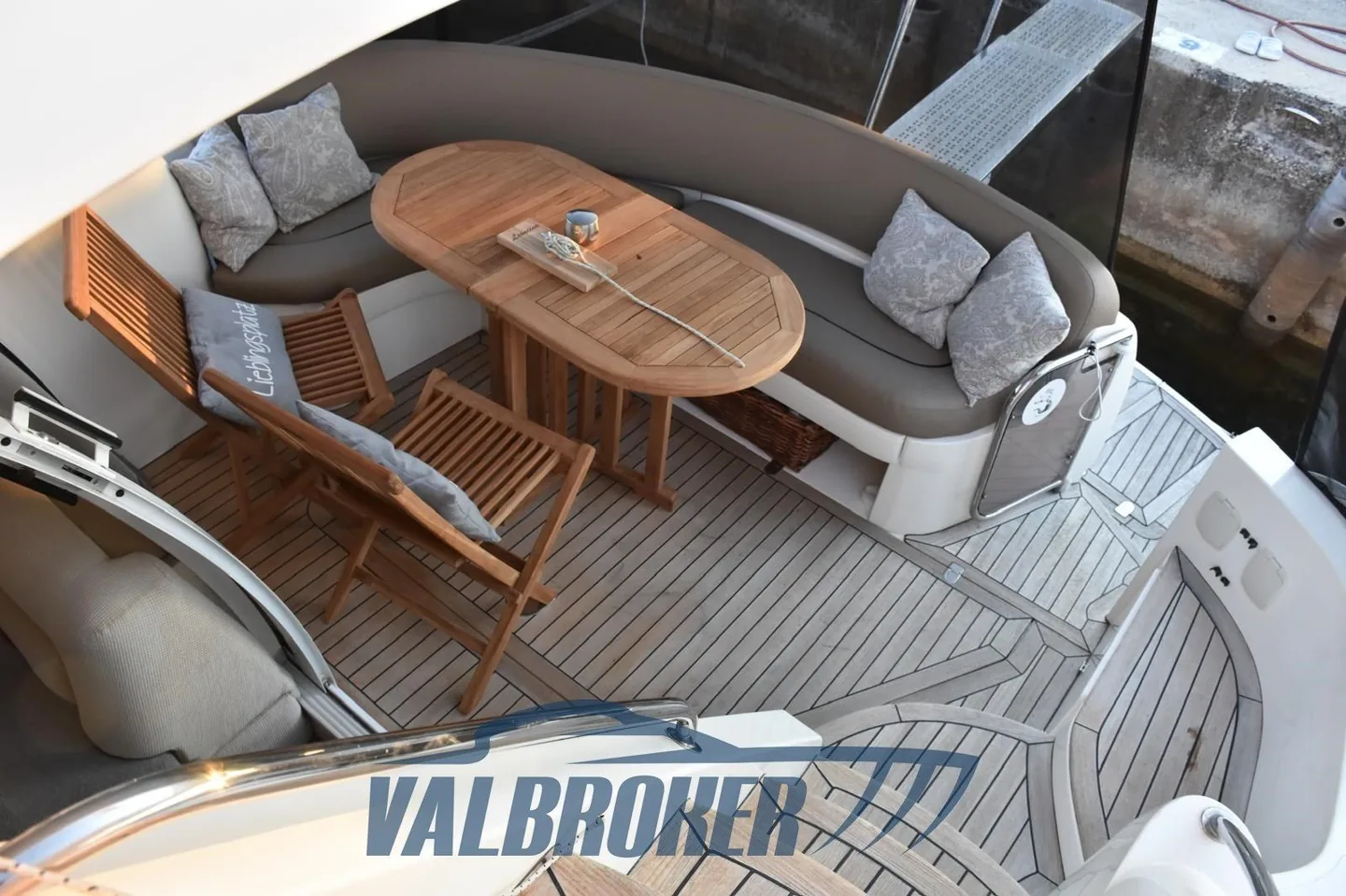
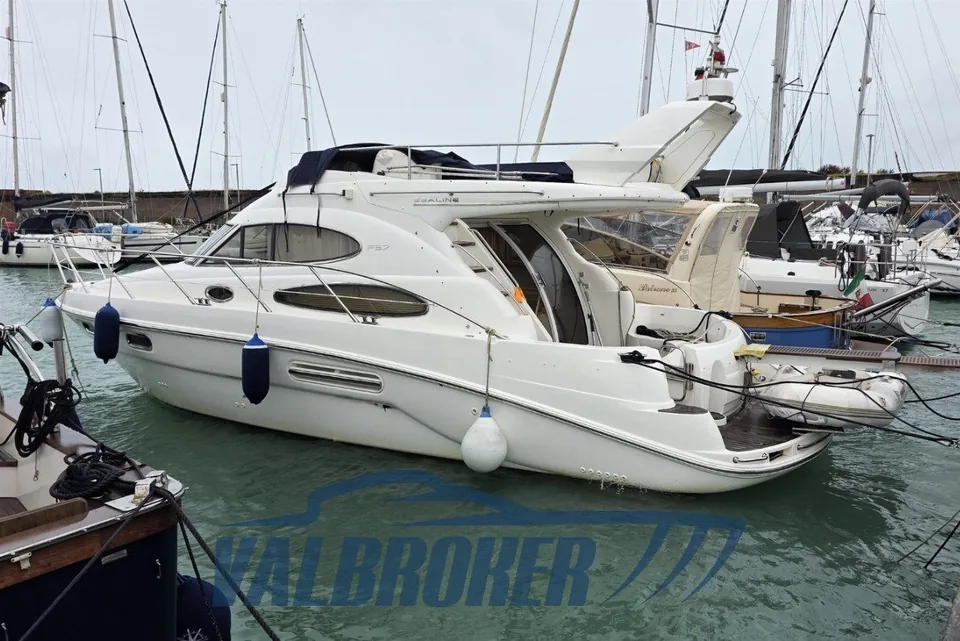
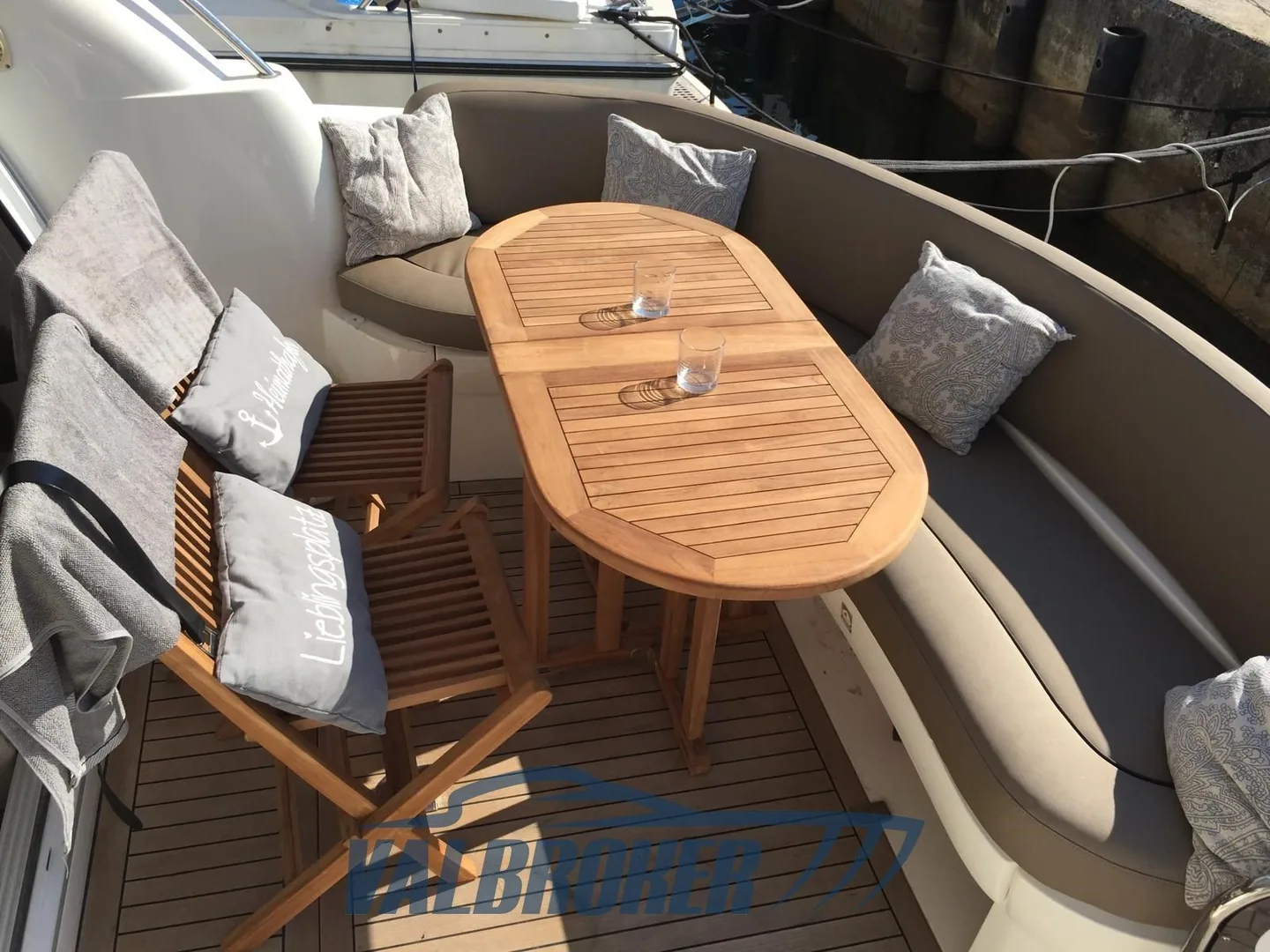
The Sealine F 37 is a flybridge cruiser whose dimensions remain manageable while its layout is intended for multi-day boating. On the used market, however, the badge is less important than establishing which machinery, accommodation plan and maintenance history belong to the boat being inspected. This guide separates official engine facts, observations from Batoo offers, editorial analysis and unresolved points.
Design, dimensions and specifications
Both the 2004 and 2007 boats in the Batoo dossier are recorded at 11.74 m long, 3.78 m in beam and 1.04 m in draught, with fibreglass hulls. A primary specification for another 2004 F37 gives the same dimensions and six berths across two cabins. That agreement supports the main envelope for the versions under discussion, but it does not make the numbers universal across every year and measurement convention.
| Item | Observed figure | Interpretation |
|---|---|---|
| Length | 11.74 m | shared by both Batoo offers |
| Beam | 3.78 m | shared and consistent with the 2004 record |
| Draught | 1.04 m | confirm against the individual boat’s papers |
| Hull | fibreglass | stated for both offers |
| Cabins | 2 | consistent across the offers |
| Heads | 1 or 2 | unresolved listing-data conflict |
Some older F37 records state 11.46 m length and 0.94 m draught. The discrepancy may reflect year, appendages included in LOA, measurement practice or simple data entry, so averaging the figures would be misleading. Berth contracts, lifting plans and transport quotes should use the individual craft’s registration and certification, followed by a physical measurement where clearance is tight.
The moulded route to the flybridge, aft cockpit, second helm and two-cabin lower deck give the design its identity. Batoo’s analysis is that this arrangement prioritises circulation and open-air living over the uninterrupted interior volume of a single-level cruiser. Buyers should still test steps, handholds, headroom and sightlines with the people who will actually use the boat.
Engine variants and version boundaries
The two dossier boats illustrate a material powertrain change. The 2004 offer records twin Volvo Penta KAD/KAMD 300-family engines at 285 hp each and 850 hours, whereas the 2007 offer records twin D6 units at 310 hp each and 1,100 hours. Volvo’s own terminology reserves KAD300 for the Aquamatic package and KAMD300 for the inboard version; because the 2004 offer combines “KAD 300” wording with shaft drive, the exact designation is unresolved until engine plates and gearboxes are inspected.
| Dossier version | Declared output | Declared hours | Verification priority |
|---|---|---|---|
| 2004, KAD/KAMD 300 | 2 × 285 hp | 850 | exact suffix and drive installation |
| 2007, D6 | 2 × 310 hp | 1,100 | exact D6 variant, gearbox and EVC history |
Volvo’s official KAMD300 data describe a six-cylinder, 3.6-litre inboard rated at 285 hp and 3,800 rpm. Its official D6-310 information describes a six-cylinder, 5.5-litre common-rail engine producing 310 hp at 3,500 rpm, with EVC integration. These facts identify engine families; they do not prove that either offered boat retains every original component or has received the prescribed service work.
Pros and cons in practical terms
The strongest argument for the F 37 is the combination of a flybridge, two distinct cabins and an overall footprint below that of many later cruisers. Two helms allow the skipper to choose shelter or elevated visibility according to conditions, and a 3.78 m beam creates useful living width without moving into the operating scale of a much larger yacht.
Complexity is the corresponding cost. Two engines, duplicated controls and instruments, steering runs, an upper deck and domestic systems create more inspection and maintenance points. Windage, weight aloft and the view from the lower helm cannot be judged from a specification table; they require a properly loaded sea trial and close-quarters manoeuvring.
Engine hours need context rather than admiration or alarm. Long idle periods can be as relevant as use, while coolant history, exhaust condition, corrosion, load profile and invoices say more about future risk. The dossier also conflicts on heads: its structured fields say two on the 2004 boat and one on the 2007 boat, while the non-reusable listing extracts suggest the reverse, so the physical sanitary layout is explicitly unknown.
Ideal use and who it is for
The F 37 best suits a couple who regularly hosts guests or a family of four planning long weekends and coastal passages. Separate cabins preserve privacy better than an open cruiser’s converted saloon, while the flybridge adds a social area and a second place from which to run the boat in suitable weather.
It is a weaker match for an owner seeking minimal upkeep, single-level access or the predictable costs of a simpler boat. A short-handed crew should rehearse moving forward, handling lines, communicating between helms and reaching essential controls. Suitability turns on the individual boat and crew, not a list of optional equipment in an advertisement.
Used-boat checks that matter
Start the survey with technical identity. Record the hull identification, model year, available conformity documents, both engine serial numbers, rating plates and gearbox types, then reconcile them with invoices and service logs. The KAD/KAMD ambiguity and the breadth of D6 installations make this step essential for parts, diagnostics and maintenance planning.
The machinery inspection should include genuinely cold starts, smoke, leaks, fluid condition, temperatures, raw-water circuits, heat exchangers, exhaust elbows, mounts and shaft alignment. A Volvo Penta specialist can interrogate EDC or EVC where fitted; oil analysis and a trial at sustained load add evidence but do not replace physical access. Underwater checks should cover moisture readings, repairs, seacocks, rudders, shafts, propellers, cutless bearings and seals.
Every system should operate from both helm stations. Test batteries, charging, shore power, bilge pumps, windlass, hot water, toilets, tanks, heating or air conditioning, navigation electronics and fire equipment individually. On the flybridge, inspect drainage, fasteners, control play, upholstery bases and every route by which rainwater could reach the structure or lower accommodation.
Documentation should explain upgrades as well as routine servicing. Modern displays connected to older sensors, replacement chargers and altered plumbing can be beneficial, but only when installation, protection and diagrams are sound. Budget for defects revealed by the survey rather than treating a long equipment inventory as value already secured.
Alternatives and comparison
No alternative is a direct substitute, but four references help define the buying brief.
| Model | Format | Why compare it |
|---|---|---|
| Sealine F34 | smaller flybridge | reduced footprint with less accommodation volume |
| Fairline Phantom 38 | British flybridge | similar mission, different ergonomics and market |
| Princess 38 | flybridge cruiser | cabin execution and access merit a live comparison |
| Sealine S34 | sports cruiser | lower profile without an upper helm |
Condition, records, machinery access and rectification cost should outrank a notional brand ladder. A documented F37 can be a more rational purchase than a newer but neglected competitor. That is an editorial purchasing principle, not an assessment of any named boat.
Observed price range and methodology
On 9 September 2026, the dossier captured two asking prices from active, editorially eligible Batoo offers: €125,000 for the 2007 boat and €165,000 for the 2004 boat. The observed range is therefore €125,000–€165,000 from a sample of two. It is neither a valuation nor evidence of completed sale prices; tax position, location, equipment, condition, refit work, year and negotiation can all change the outcome.
The older boat carrying the higher ask is a warning against inferring a smooth depreciation curve. Batoo treats this range as a snapshot of eligible asks, not an average padded with incompatible versions and not a promise that inventory remains available. A purchase budget should combine survey findings, documented tax status, repair quotations and verified closed-sale evidence where it can be obtained.
Images come from current listings and may show different individual boats, years and configurations. Brokers and sellers have not reviewed, validated or approved this dossier. Broker Pro means only an active Batoo subscription: it is not identity or KYB verification and never guarantees editorial coverage, ranking, a positive assessment or inclusion in the stable article body.
Sources and references
Sources consulted and references retained to verify data and context.
- Sealine F 37 2004 — offerta BatooBatoo
- Sealine F 37 2007 — offerta BatooBatoo
- KAD300/DP and KAMD300 technical releaseVolvo Group / Volvo Penta · 2001-08-01
- Volvo Penta D4 and D6 introductionVolvo Group / Volvo Penta · 2003-08-01
- 2004 Sealine F37 specificationSolent Motor Yachts