Sunseeker Superhawk 48: design, used checks and prices
An evidence-led Sunseeker Superhawk 48 guide covering propulsion variants, the unresolved 1996–1997 date conflict, used checks and observed Batoo asks.
In brief
The Sunseeker Superhawk 48 suits buyers who prioritise an open cockpit, engaged driving and short overnight trips. The two observed Batoo boats carry very different engines and dimensions. Its main caveat is that variability: listings say 1996 while Sunseeker states a 1997 launch, so identity papers, drives and refit history require hull-by-hull verification.
Article outline
Model factsheet
Editorial data from official sources and observed listings. Open only the level of detail you need.
Key facts
- Observed years
- 1996
- Length
- 14.7–15.4 m
- Beam
- 3.25–3.3 m
- Draft
- 0.77 m
Specifications and engines
3× Volvo Penta KAD42 230 hp · 3× Mercruiser Magnum Racing 501 hp
Observed prices
Observed asking prices from eligible active Batoo listings in this dossier, grouped by currency. This is not a valuation: taxes, equipment, condition, year and negotiation can change the final price.
Observed listings (2)
Listings form the dossier dataset and may change or become unavailable.
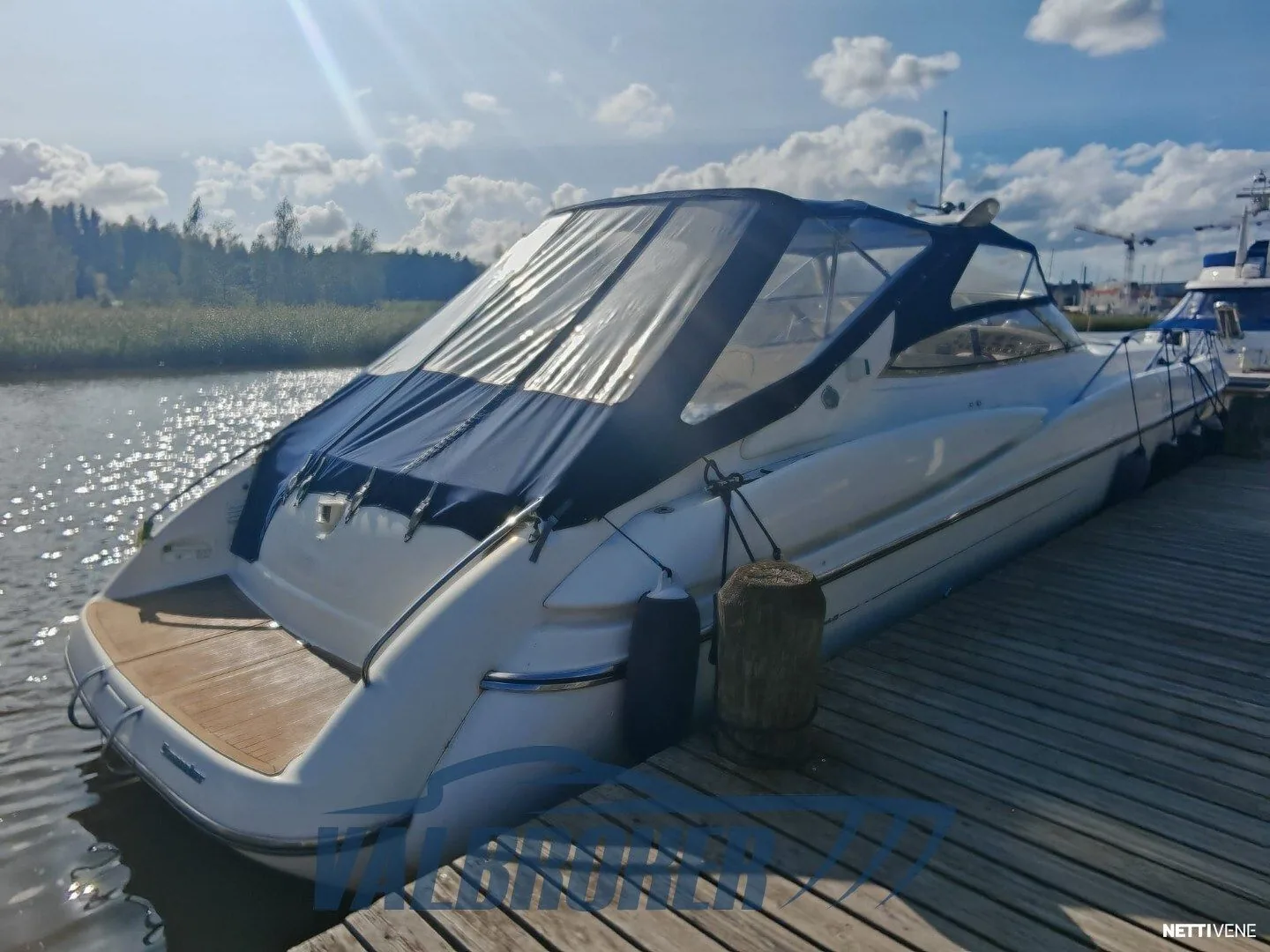
Images come from active Batoo listings and may show different individual boats, years and configurations. Brokers and sellers have not reviewed or approved this dossier. Broker Pro indicates an active subscription, not identity verification, and never guarantees editorial coverage, placement or assessment.
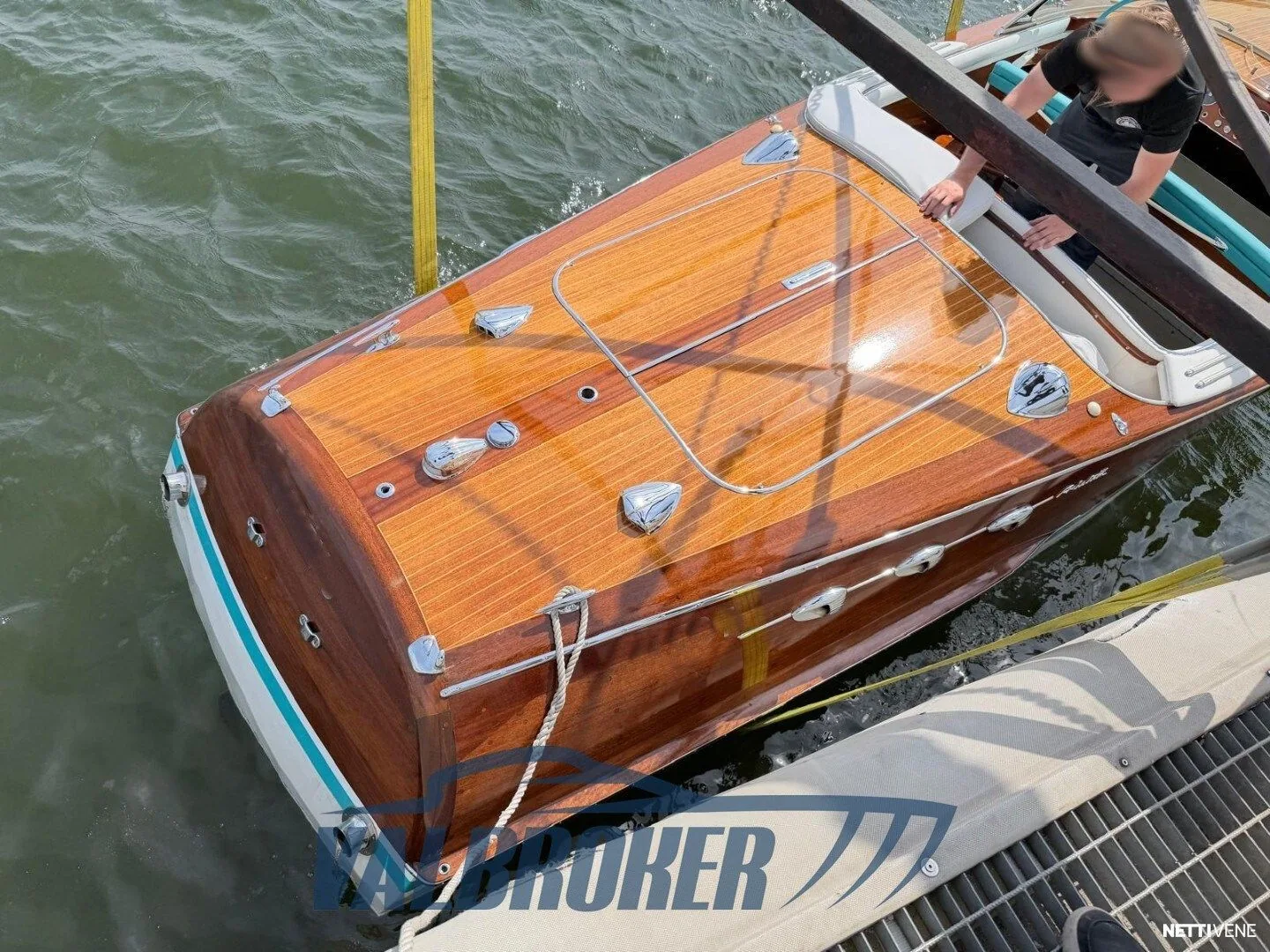
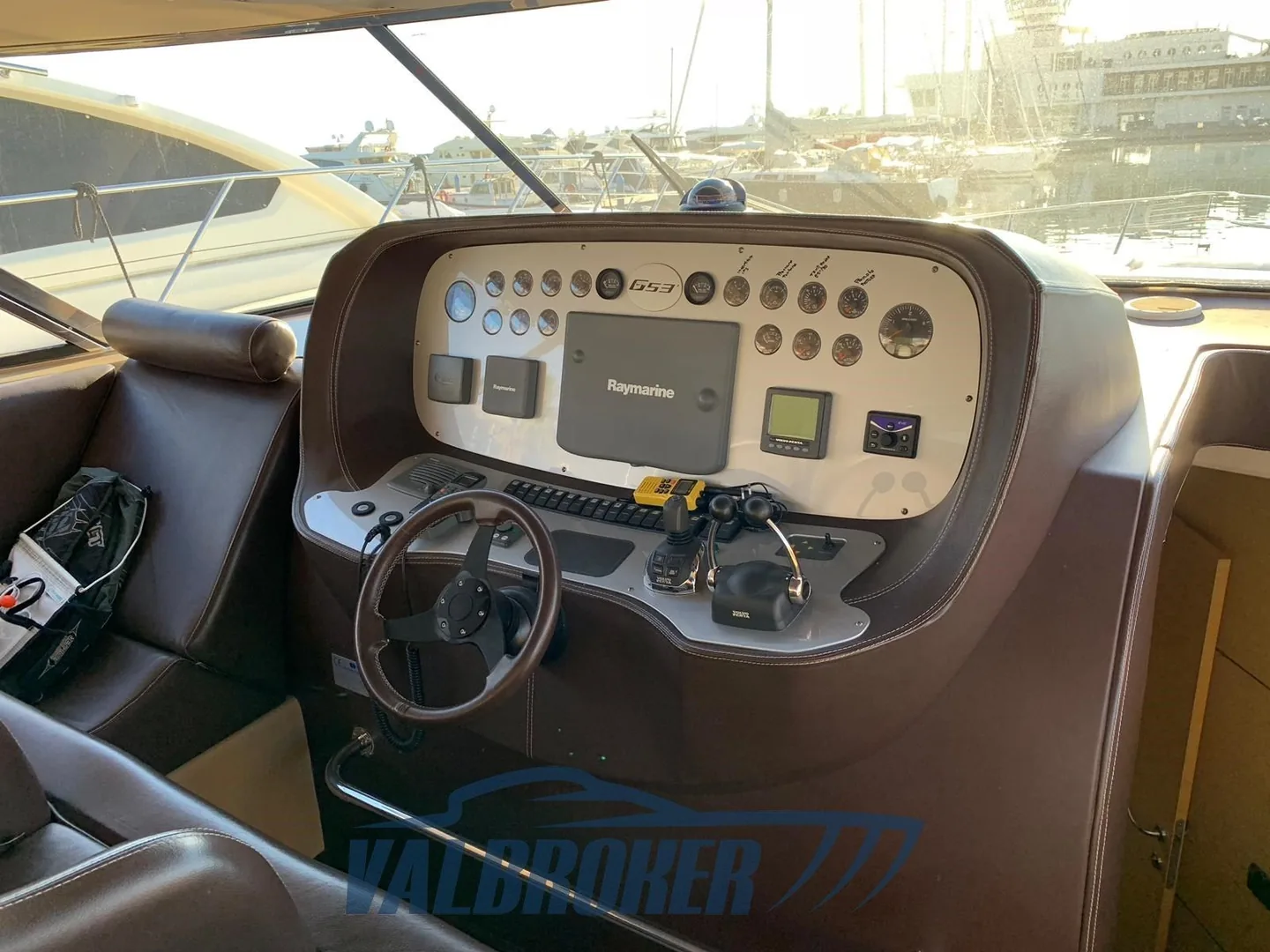
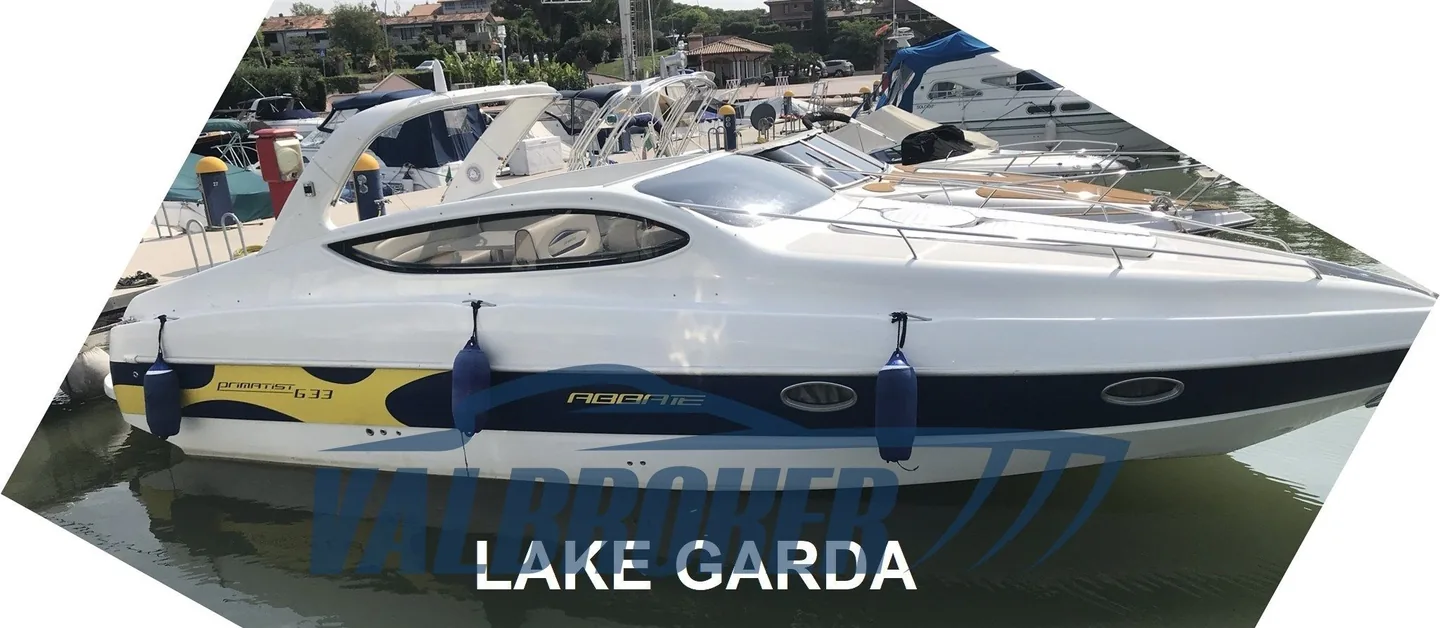
See Superhawk 48 listings on BatooListing photographsReal photographs from listings included in the dossier, with a link to each source.
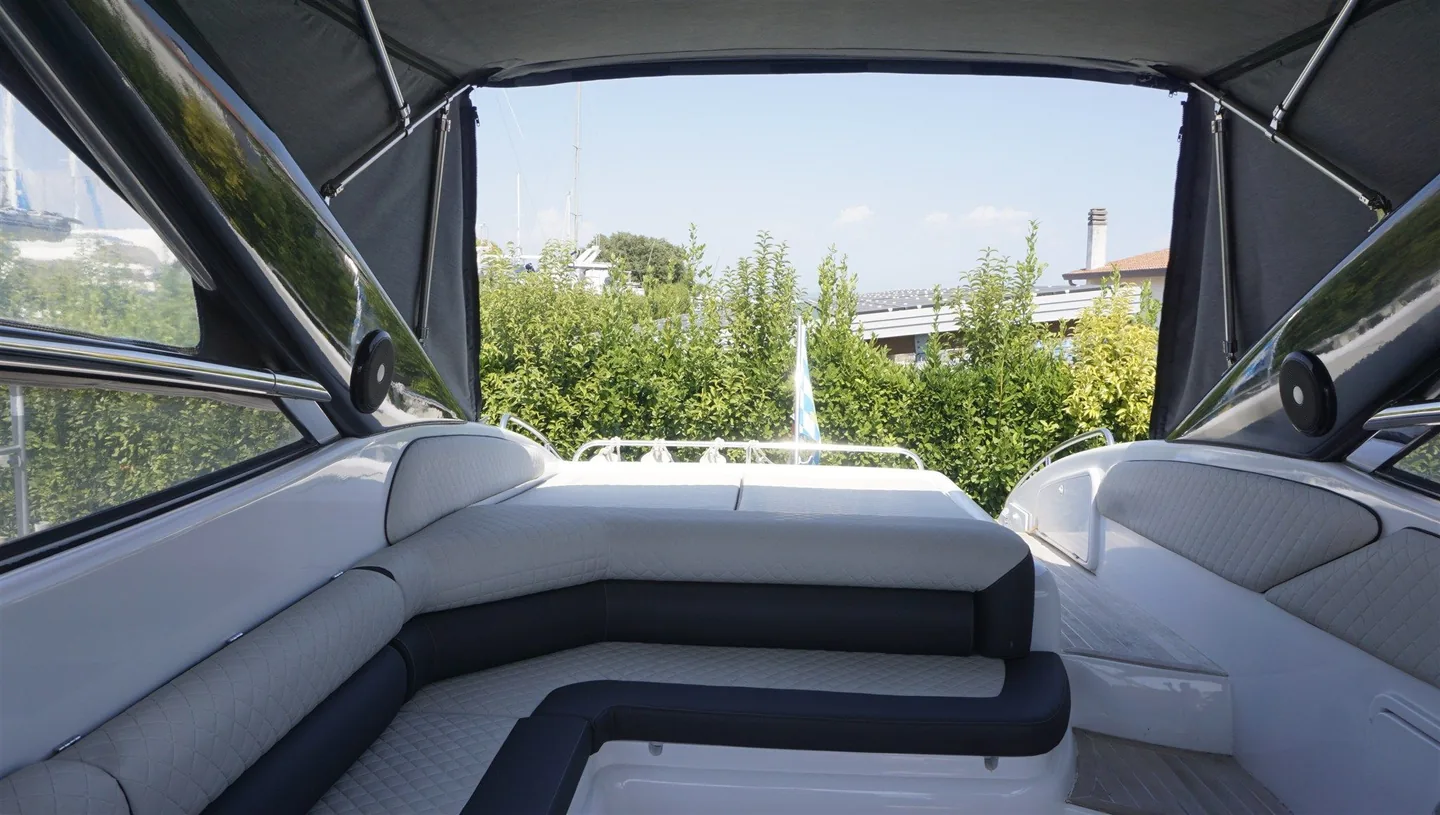
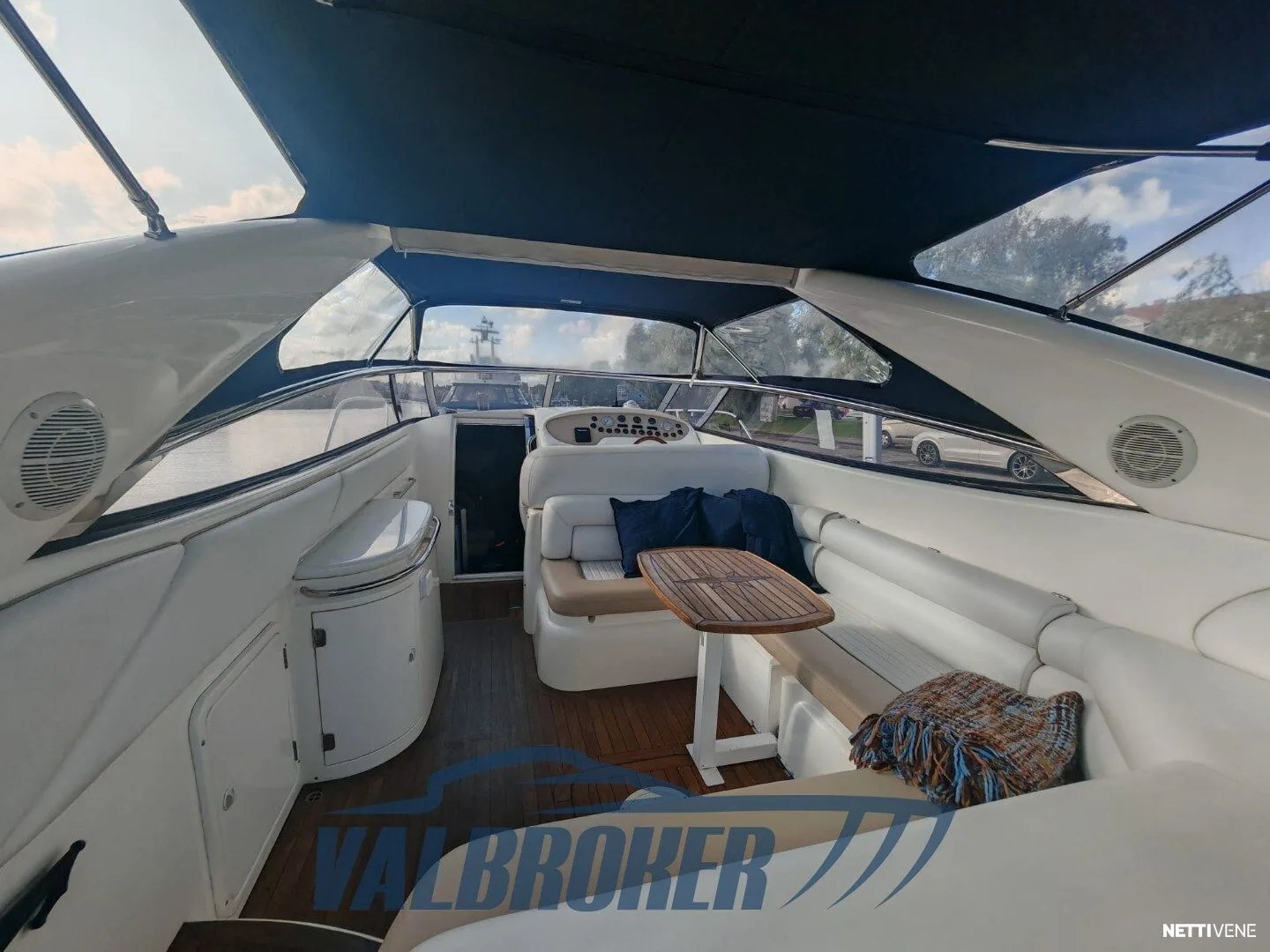
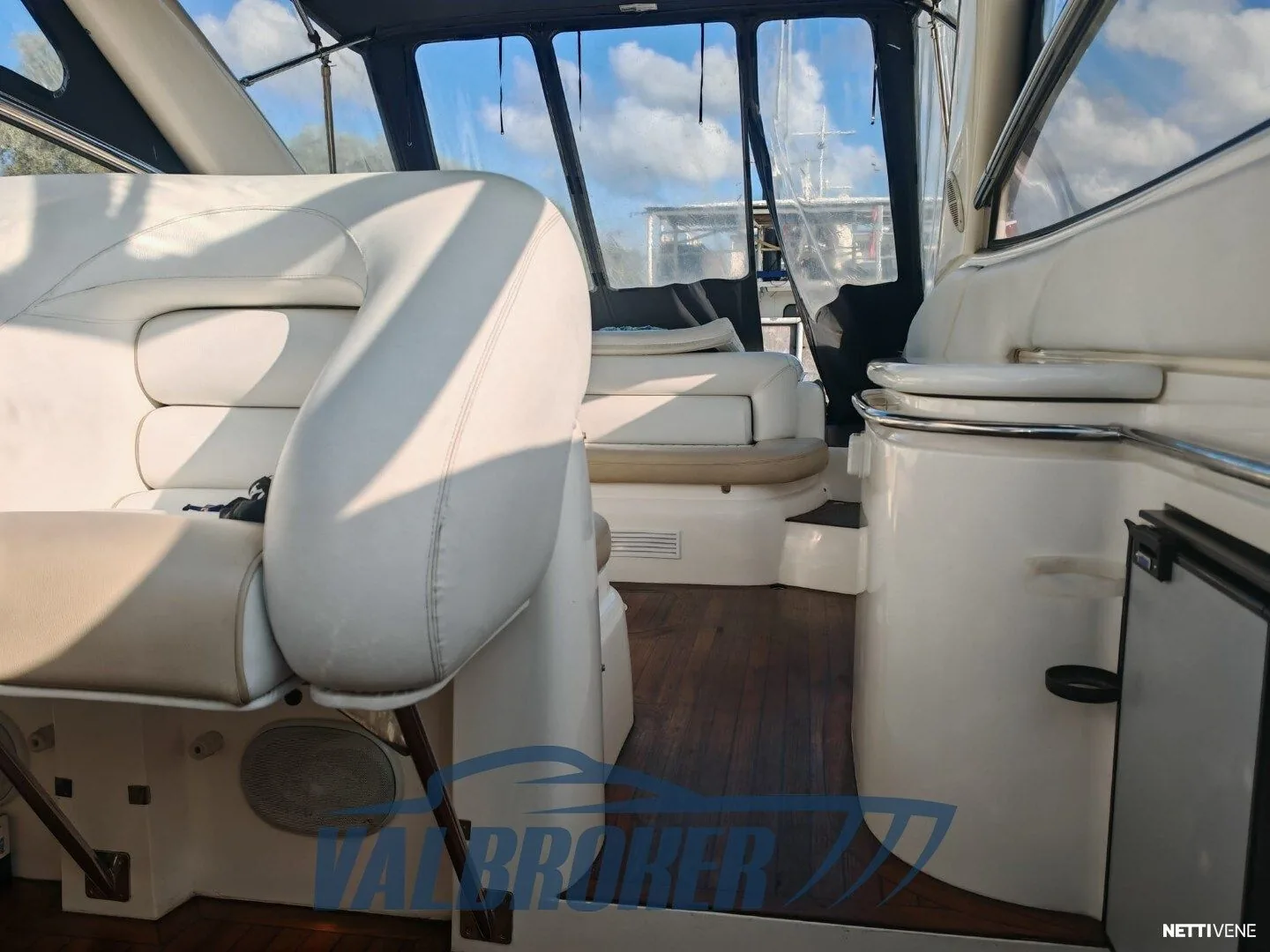
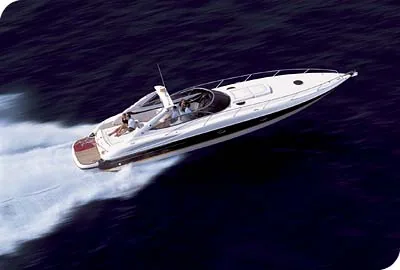
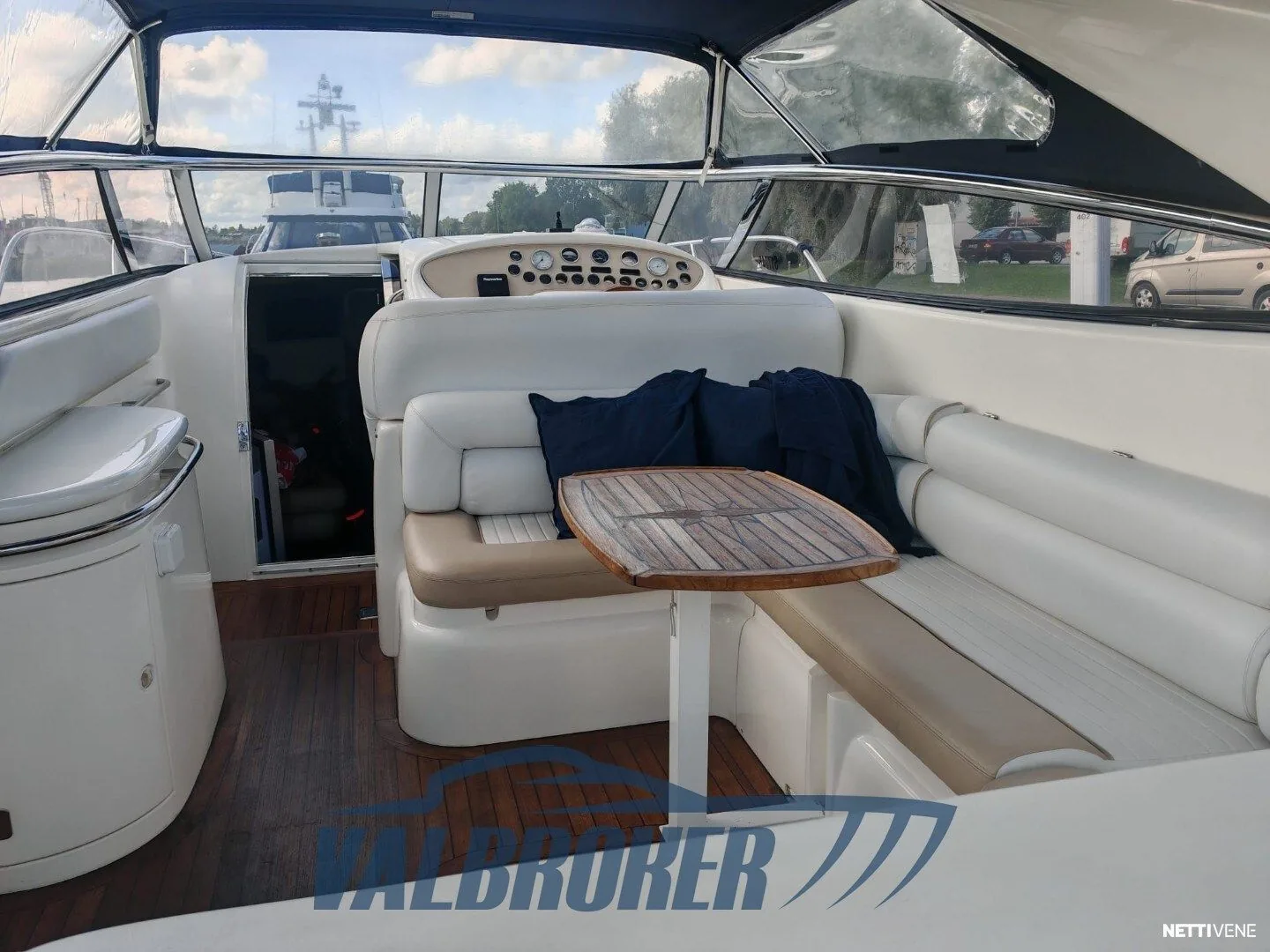
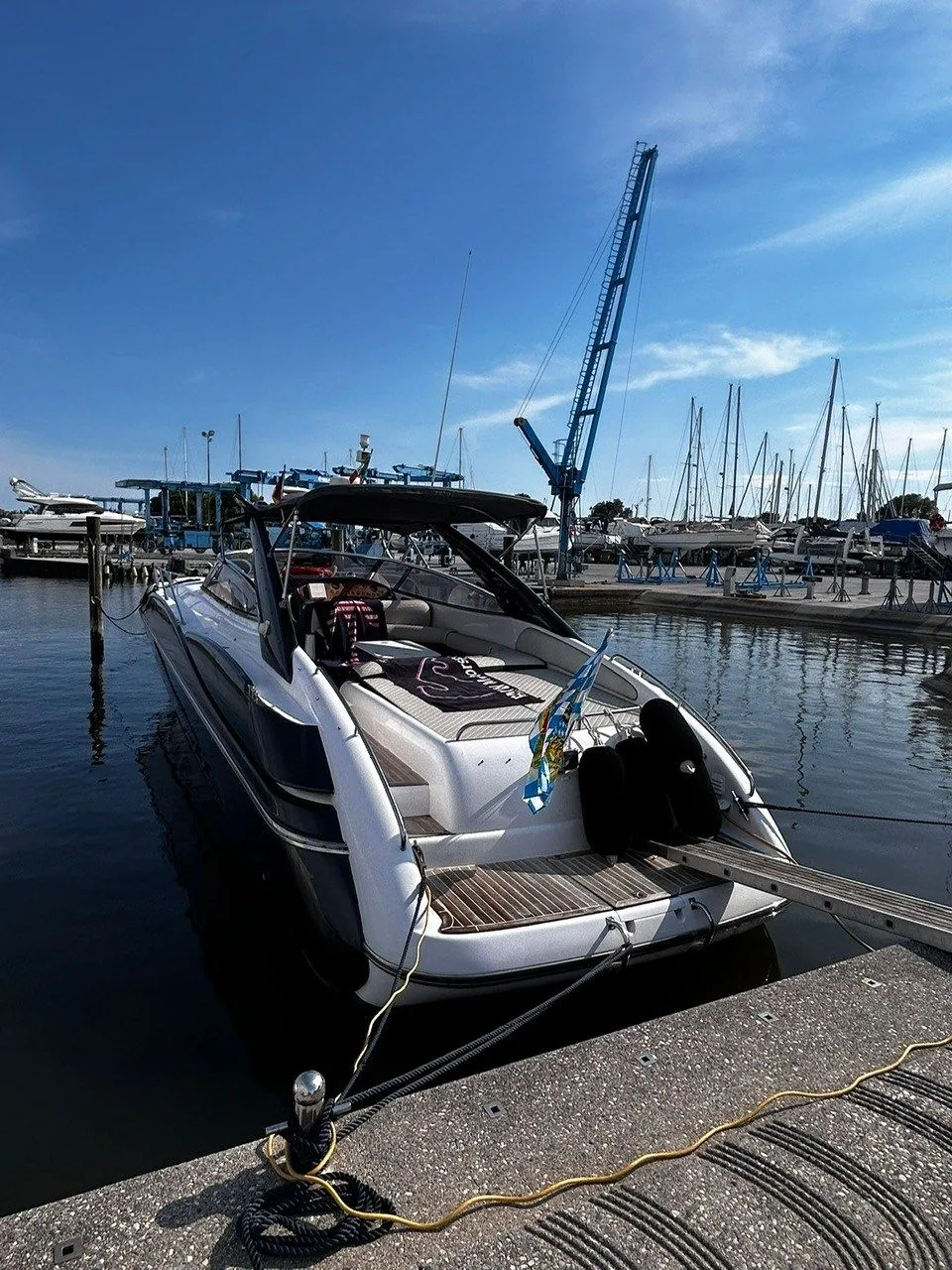
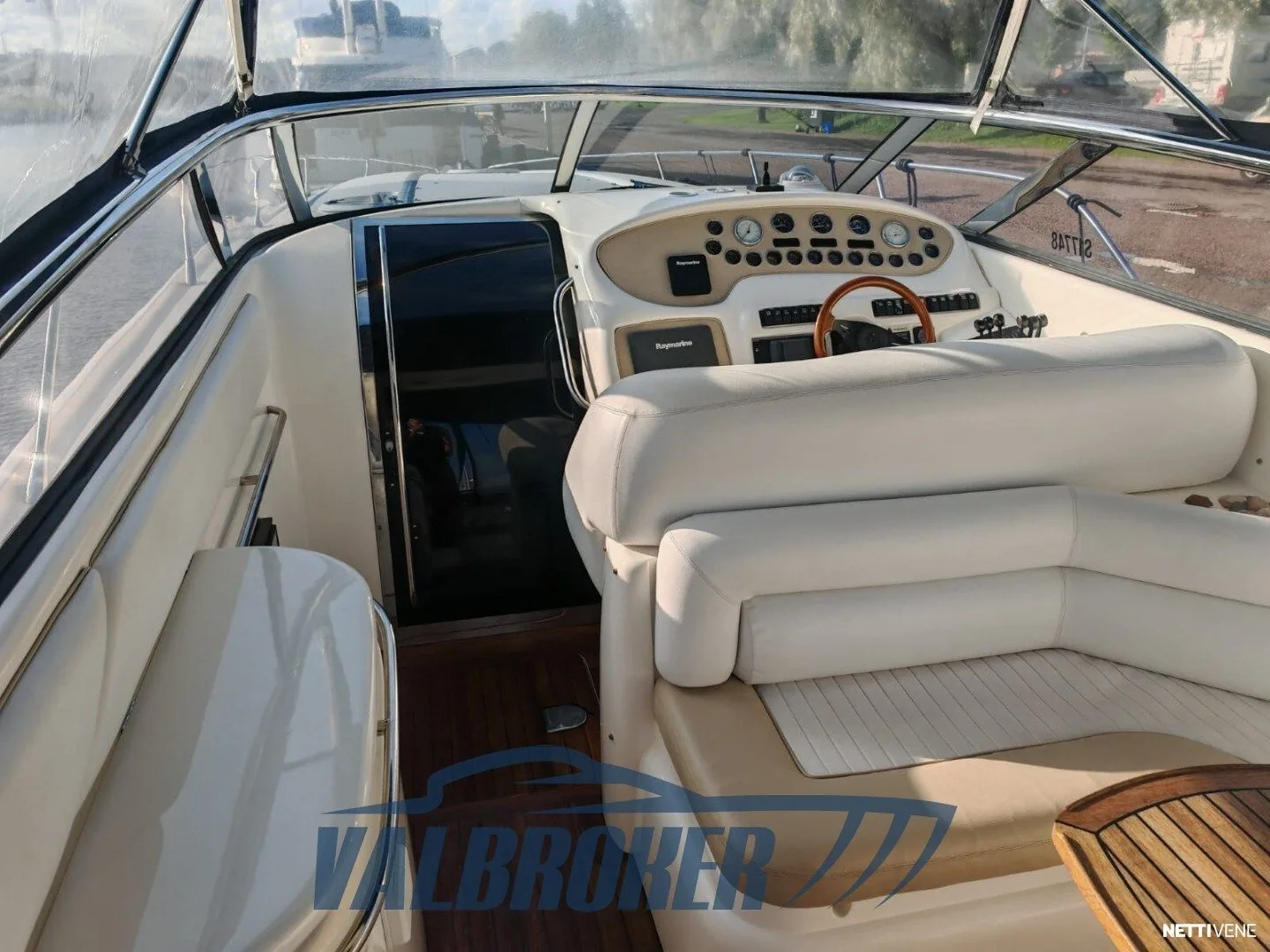
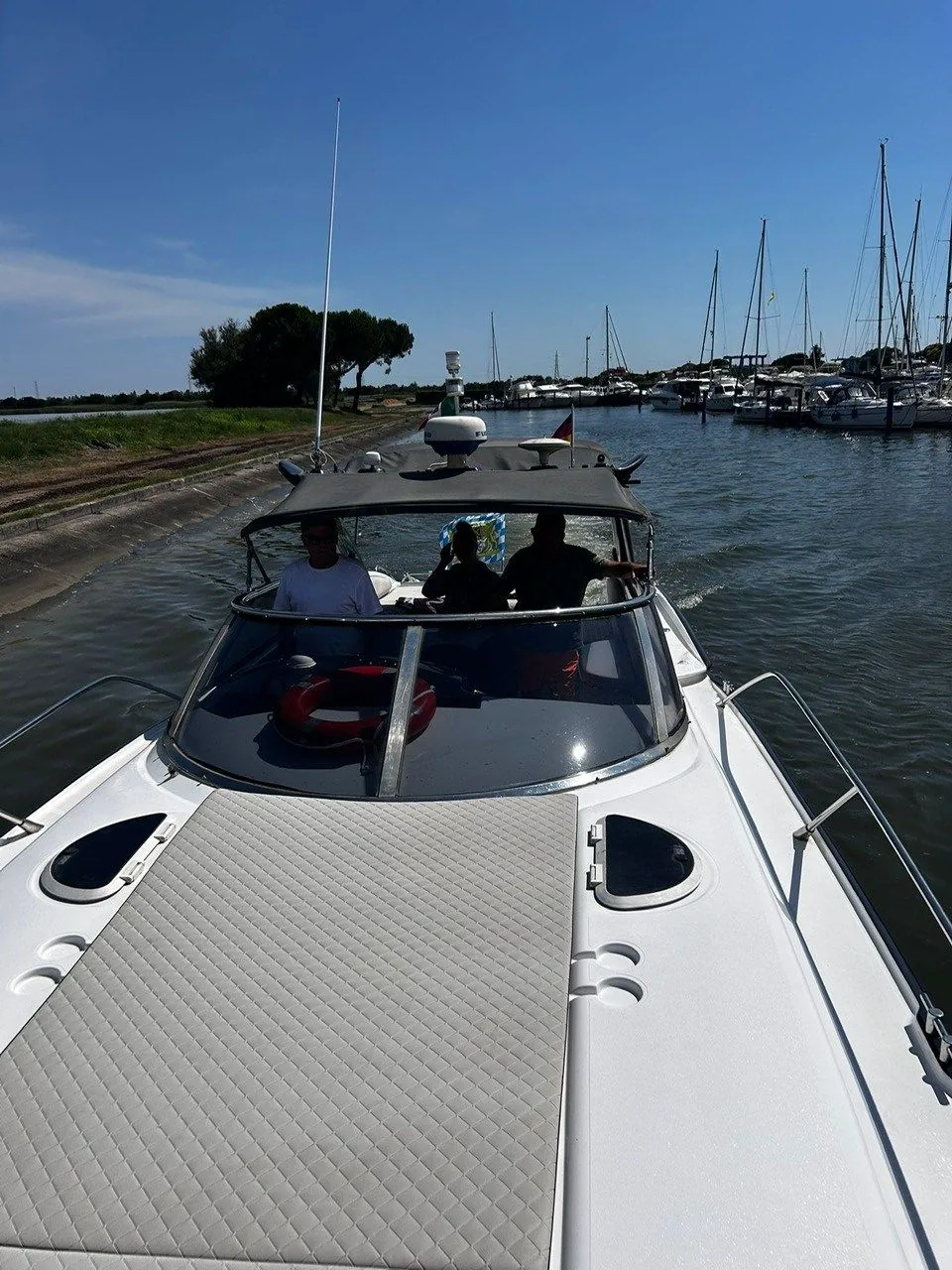
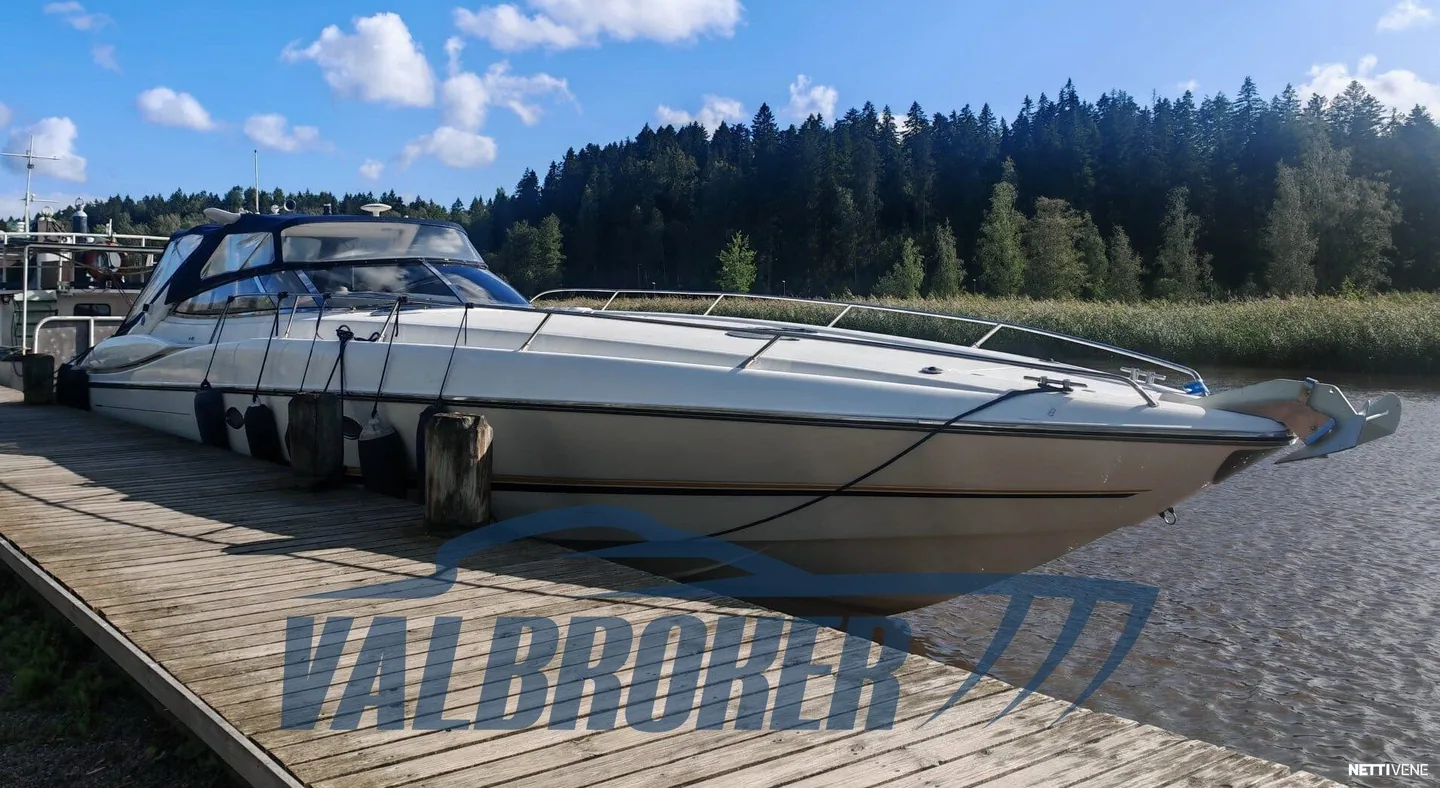
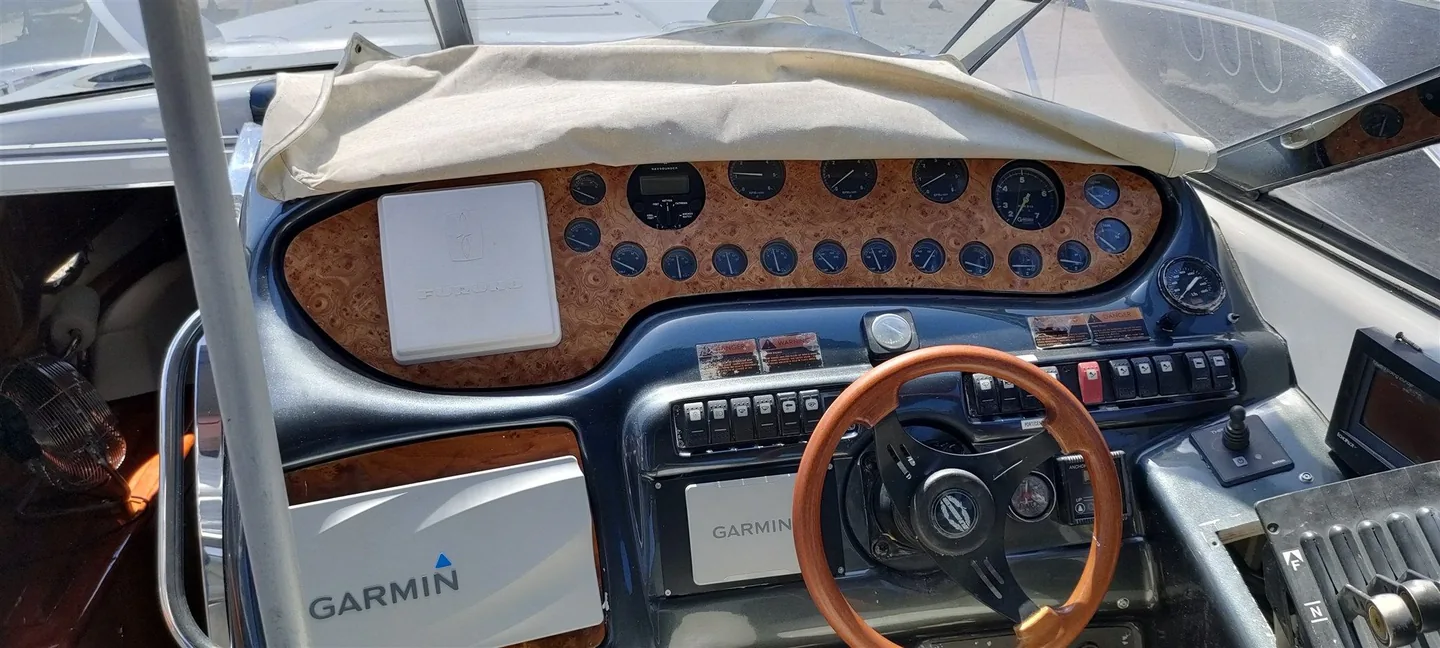
The Sunseeker Superhawk 48 is best understood as a British open performance boat whose priorities favour driving and outdoor space over maximum accommodation. This is not a sea trial, and listing data are not presented as factory certification. The analysis compares two 1996 boats observed on Batoo with Sunseeker’s own historical account, leaving every material discrepancy visible.
Design, specifications and documented variants
Sunseeker says it launched the Superhawk 48 in 1997 and offered twin or triple outdrive propulsion. Both Batoo records identify their boats as 1996 examples. That mismatch could reflect build year, model year, first registration, a market convention or a catalogue error; without each hull’s original papers, choosing one date as universally correct would be misleading.
The two boats also cannot be collapsed into an average specification. One Batoo record gives 14.70 m length, 3.30 m beam and 0.77 m draft. The other gives 15.40 m, 3.25 m and 0.77 m. These are individual listing values, and the dossier therefore preserves a range rather than inventing a definitive dimension.
| Item | Batoo boat A | Batoo boat B | Responsible interpretation |
|---|---|---|---|
| Stated year | 1996 | 1996 | conflicts with Sunseeker’s stated 1997 launch |
| Stated length | 14.70 m | 15.40 m | measurement convention or configuration may differ |
| Stated beam | 3.30 m | 3.25 m | check the hull’s own documents |
| Stated draft | 0.77 m | 0.77 m | consistent listings, but not a factory certificate |
| Stated engines | 3 × Volvo Penta KAD42 diesel, 230 hp each | 3 × Mercruiser Magnum Racing petrol, 501 hp each | separate installations; never average them |
Both listings report a fibreglass hull, one cabin and one head. Those facts help plan an inspection but do not prove that every Superhawk 48 left the yard with the same arrangement. Boats of this age may have been refitted or repowered; any change needs invoices, serial numbers, installation records and, where relevant, approval documentation.
Strengths and limitations without a sea trial
The concept’s strength is its clarity. An open profile, a comparatively narrow beam for the stated length and multiple outdrives point toward fast day use and an engaged helm rather than a floating apartment. This is design analysis from disclosed data, not first-hand performance testimony.
Propulsion choice is also a meaningful advantage for a careful buyer because the surviving market may contain substantially different installations. It is simultaneously a risk: a headline model name does not tell an owner what service network, fuel system, drive parts or insurance conditions the individual boat will require. The exact machinery package matters more than generic reputation.
The accommodation is the obvious compromise. One cabin and one head, as reported for both observed boats, suit a couple or a small party on short trips better than several households on a long cruise. A beam around 3.25–3.30 m limits the space available for passageways and separated rooms. Buyers should inspect real berth dimensions, ventilation, storage and privacy rather than infer comfort from the “48” badge.
Three engines and three drives multiply inspection points. That does not automatically make ownership uneconomic, but it raises the importance of parts availability and documented maintenance. No source used here establishes consumption, range or a universal top speed for both configurations, so this guide does not manufacture those figures.
Ideal use and the buyer it suits
The Superhawk 48 suits an owner who wants a large open cockpit, sun-oriented day boating and occasional overnight capability. It can make sense as a substantial day boat or a couple’s weekender if the chosen hull proves sound and its weather protection, tankage, electrical capacity and storage match the planned route.
It is a weaker fit for extended family cruising, cold-season use or an owner seeking simple mechanical ownership. Berthing also needs early attention. A documented length of 14.70 m versus 15.40 m can place a boat in a different marina tariff band, while platforms, rails and local measurement rules may affect charged length.
The best prospective owner is comfortable commissioning specialists and budgeting beyond the purchase price. An older high-performance boat rewards evidence-led buying: clean upholstery or new electronics may be pleasant, but they do not answer questions about laminate, fuel systems, drives or engine health.
Used-boat checks before committing
Begin with the boat’s identity. Match the HIN or CIN, builder’s plate, registration, build year, model year and first-registration date. The 1996 listing dates and Sunseeker’s 1997 launch statement are not proof of wrongdoing; they are a direct reason to obtain primary paperwork and make its accuracy part of the contract.
Next inspect the whole propulsion chain. Record engine and drive serial numbers, reconstruct service intervals and use the diagnostic method appropriate to each engine. Cooling circuits, exhausts, mounts, fuel delivery and ventilation need inspection. Outdrives add bellows, seals, universal joints, steering play, gear oil and galvanic corrosion to the checklist.
A properly planned sea trial should be conditional on a satisfactory static survey. It should record engine speed, temperature, pressure, vibration and trim response, then compare the findings with documentation for that exact installation and propeller set. A claim that a boat runs well is not a substitute for repeatable measurements.
The structural survey should cover hull laminate, moisture patterns, previous repairs, transom and drive attachments, bulkheads, deck hardware and bonding. Fuel tanks and hoses, seacocks, bilge pumps, batteries, chargers and fire protection deserve age-sensitive scrutiny. The petrol installation reported by one offer makes engine-room ventilation and ignition protection particularly important, without implying that a defect exists.
Finally, audit modifications. Generators, air conditioning, navigation equipment, altered tanks and renewed interiors can add usefulness while concealing poor access or undocumented wiring. Ask for invoices, manuals, installation certificates and weight information. A purchase agreement should preserve the right to withdraw or renegotiate after survey and sea trial.
Alternatives and a useful comparison
Comparable boats should be shortlisted by mission rather than nominal length. The table avoids unsupported performance numbers and instead identifies the decision that each candidate must answer.
| Candidate | Why compare it | Decisive check |
|---|---|---|
| Sunseeker Superhawk 43 | related open-performance concept in another size | usable space, engine package and cockpit shelter |
| Princess V42 | British sports-cruiser alternative | interior distribution and propulsion cost |
| Fairline Targa 48 | fast-cruising alternative | layout, displacement, berth needs and service history |
Compare boats from a similar period with equally complete evidence. A lower ask, greater stated horsepower or fresh soft furnishings cannot settle the decision. Hull condition, machinery, quality of refit work, tax position and insurability in the intended cruising area usually matter more.
Observed price range and Batoo methodology
On 23 September 2026, the dossier contained two active euro-denominated Batoo asks: €64,500 and €114,500. The observed range is therefore €64,500–€114,500 from a sample of two. It is an asking-price snapshot, not a valuation and not evidence of completed transaction prices.
The €50,000 spread accompanies different propulsion and dimensional claims, but the available evidence cannot assign the gap to any single cause. Condition, options, refit quality, tax status, location and negotiation can all change the final cost. A better comparison totals purchase price, immediate work, berth, insurance, parts access and a maintenance reserve after survey.
The dossier keeps eligibility signals separate: subscriptionactive is true, offerfresh is true and editorialeligible is true; identityverified is reported separately, with zero identity-verified offers counted. Broker Pro means only an active Batoo subscription. It is not identity or KYB verification and never guarantees editorial coverage, ranking or a positive assessment.
Images come from current Batoo listings and may show different individual boats or configurations. Brokers and sellers have not reviewed, validated or approved this dossier.
Sources and references
Sources consulted and references retained to verify data and context.