A solar eclipse at sea turns 90 seconds into a test of command
Totality reaches the Balearics at sunset, amid concentrated traffic and rapidly fading light. The smartest passage ends before the sky goes dark.
Article outline
A solar eclipse by boat in the Balearics will not reward the crew that gets closest to the centreline. It will reward the crew that has finished manoeuvring before the light collapses. On 12 August 2026, totality reaches the islands at sunset and lasts about a minute and a half in Mallorca. That brief interval sits inside a demanding hour: the Sun is almost on the western horizon, boats will be both stationary and under way, and many return passages will begin together.
The astronomy is extraordinary. The seamanship should be deliberately ordinary: a planned passage, a position selected in advance, named roles aboard and no photography duty for the person in command. The sea can be a superb auditorium, but poor preparation turns it into a risk multiplier.
A two-degree Sun decides the berth
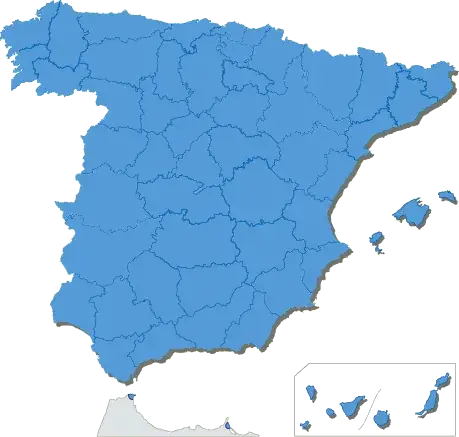
Spain’s National Geographic Institute gives Palma a partial-eclipse start at 19:38 and maximum eclipse at 20:32 local time, when the Sun is only two degrees above the horizon. The Balearic Government says totality begins first in Menorca at 20:30:01 and tracks south. It can last roughly 90 seconds in Mallorca, almost a minute in Ibiza and between 20 and 50 seconds in Formentera. Exact local positions can shift those stated times by a few seconds.
For a skipper, two degrees matter more than squeezing out extra seconds of totality. A headland, mast or another yacht’s superstructure can erase the low solar disc. The sensible objective is therefore not the geometric centre of the eclipse path but a clear western sector combined with a secure place to stop. A capable cruising yacht, of the kind found when exploringBeneteau, may provide a comfortable viewing platform; it cannot replace checking the real horizon from cockpit height.
That check belongs in the plan before departure. Digital visualisers account for terrain but cannot predict a transient yacht, local congestion or every obstruction. A fallback position should already be plotted and usable without a late sprint if weather or traffic makes the preferred location unsuitable.
The skipper is not the principal spectator
The sharpest line in the official advice concerns command. The skipper must maintain an effective visual and auditory lookout throughout, and a different person should observe the eclipse where possible. The International Regulations for Preventing Collisions at Sea do not pause for totality.
That changes how the experience is organised. The skipper may take a brief look only when vessel, traffic and circumstances genuinely allow; they should not frame a phone shot, adjust a telescope or leave the helm during an approach. Buyers who expect to cruise with family and guests can study visibility and circulation in ranges such asJeanneau, but a workable lookout plan remains a human responsibility, not a design feature.
A conservative sequence looks like this:
- arrive early and complete every manoeuvre before the partial phase peaks;
- appoint one eclipse observer and another set of eyes for traffic;
- maintain a listening watch on VHF channel 16;
- test navigation lights, electronics and lifesaving equipment before departure;
- agree the trigger for ending the observation and beginning the return.
This is less a ceremony than a way of removing decisions from the one minute when everybody instinctively looks up.
Daylight falls away while traffic keeps moving
Ambient light may decrease markedly during maximum obscuration. Official guidance tells skippers to test navigation lights and display them whenever visibility conditions make that advisable, so other traffic can clearly see the vessel. Waiting for textbook darkness misses the operational point. Be visible before another skipper struggles to read your shape, motion or heading.
Totality does not freeze the water. A drifting boat retains leeway, a motor yacht carries way and a tender may still cross an anchorage. The chosen position must therefore be outside navigation channels, harbour approaches, manoeuvring areas and commercial anchorages, with adequate separation from other craft. Anyone still considering a suitable platform can useMarina Yacht Salesas broader market reading; that link does not suggest the broker has any role in this event.
The return needs a defined time too. Sunlight reappears after totality, yet the Sun remains partly eclipsed and close to setting. Many crews are likely to start engines within the same narrow window. Where the anchorage is secure, waiting for the first wave of traffic to clear may show better judgement than immediately following its wakes.
Posidonia draws the environmental boundary
The authorities expect a high concentration of boats and have announced a special Posidonia surveillance operation. Attention will focus on Ciutadella, Sóller, Andratx, Colònia de Sant Jordi and western Ibiza. The instruction is to prevent anchor and chain from contacting seagrass meadows and to use environmentally responsible moorings where they are available.
That makes the seabed—not the camera angle—the final judge of position. If a clear patch cannot be identified with confidence, use an authorised buoy or move elsewhere. Nor does the capacity of a family cruiser, including common choices represented byBavaria, permit extra guests: the Balearic advice explicitly reiterates that the certified maximum number of people aboard still applies.
Certified ISO 12312-2 eclipse glasses are required throughout every partial phase. Ordinary sunglasses, including polarised lenses, are not sufficient. Cameras, binoculars and telescopes need their own certified solar filters; eclipse glasses are not equipment filters. The marine environment adds a practical inspection: glasses that are wet, scratched, perforated or separating should not be used.
The strongest passage plan ends before totality
The eclipse derives its value from brevity, but safety is built in the hours around it. Telling a shore contact the intended area and return time, checking marine weather, monitoring channel 16, preparing lights and assigning roles all come directly from official Balearic guidance. Research into range, cockpit protection and movement aboard might also begin with listings fromValbroker; actual suitability always depends on the particular boat, crew and conditions.
Our reading is operational rather than astronomical: avoid being under way during totality if a safe stationary position is available. The skipper should be free to watch the boat and surrounding traffic for those 90 seconds, borrowing a glance at the sky only when circumstances allow. The enduring picture need not be a wake beneath a black Sun. It can be a quiet deck, ready lights and an anchor laid without a scar.
Sources and references
Sources consulted and references retained to verify data and context.
- Eclipse total de Sol del día 12 de agosto de 2026Instituto Geográfico Nacional
- Preguntas frecuentes: eclipse seguro en las Illes BalearsGovern de les Illes Balears · 2026-07-31
Continue reading
406 MHz EPIRB and PLB: choosing, registering and testing
September 27, 2026 · 7 min read
Navigation lights: inspect and test them aboard
September 26, 2026 · 7 min read
Boat reboarding ladders: test them from the water
September 25, 2026 · 7 min read