Float plans: what your shore contact needs to know
An effective float plan identifies the boat, people, route and timing, gives a shore contact a clear escalation role, and is formally closed after return.
In brief
A float plan is a record left with a reliable shore contact before departure. It identifies the vessel and people aboard, states the route, stops, expected time and overdue trigger, and names the appropriate local rescue contact. Update it after material changes and close it on return. It supports, but never replaces, marine radio, beacons or other emergency equipment.
Article outline
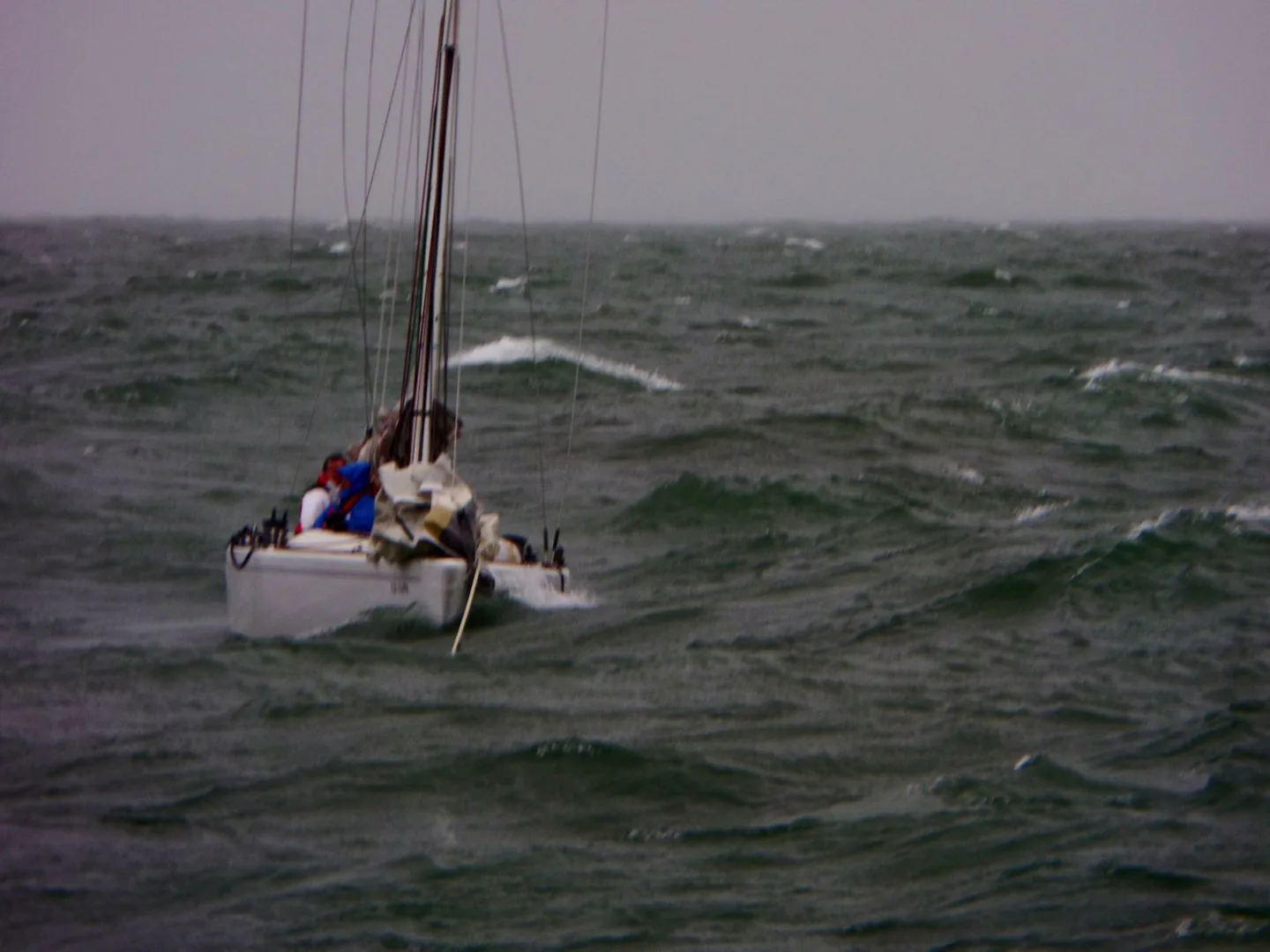
A float plan does not prevent machinery failure or bad weather. Its value is that an unexplained delay arrives on shore with a usable description of the boat, the people aboard, the intended route and the agreed times. The skipper leaves that record with a dependable person before departure and closes it after returning; without those two human actions, the document is only an abandoned form.
A float plan is a rescue aid, not a tracking service
Transport Canada describes a trip plan as a boating itinerary containing the route and a basic description of the vessel; sail plan and float plan are alternative names. Its advice covers even an outing lasting only an hour or two. The U.S. Coast Guard makes the same idea deliberately broad, applying it to craft ranging from kayaks and small skiffs to large cruisers and yachts.
The plan records intention, not live position. It neither grants permission to sail nor proves that the vessel, crew, weather decision or safety equipment is suitable. It also cannot replace a marine radio, emergency beacon, chart, forecast or the skipper’s continuing judgment once underway.
That limitation should shape the workflow. A shore contact must understand that the route is the best pre-departure picture, while updates describe later changes. If a phone or app stops working, the original record still narrows the questions rescuers need to ask, but it should never be presented as an automatic track.
Build one accurate identity sheet for the vessel
The reusable section should name the owner and operator and describe the boat by name, registration or licence number where applicable, type, length, hull and deck colours, propulsion and distinguishing features. The U.S. Coast Guard recommends including a recent vessel photograph. A clear broadside or three-quarter view that reflects current paint, canvas and equipment is more useful than a distant holiday image.
Record only communications equipment actually carried and ready to use: radio call sign, monitored channels, MMSI, mobile number and satellite contact where relevant. Transport Canada’s form also provides fields for lifejackets or personal flotation devices, liferafts, flares and other safety equipment. These entries help a responder understand how the crew might communicate, signal and remain supported.
Batoo’s recommended method is to keep this material as a master sheet and review it whenever ownership details, appearance, radio equipment or emergency gear changes. Do not retype it from memory before every trip. The trip-specific page can then stay short while the vessel description remains deliberate and current.
Describe the voyage as checkpoints, not a vague destination
The trip page should state where and when the boat departs, where it intends to go, the route, planned stopovers and the expected arrival or return. Maritime New Zealand also asks boaters to leave the number of people aboard and identifying details such as boat name and radio call sign. “Out for the day” gives a shore contact almost nothing to test against reality.
Write the route as a sequence another person can follow: departure harbour, coastal turning point, anchorage, destination, and the intended alternative if conditions rule out the first choice. Waypoints can add precision, but plain place names keep the plan readable when it is relayed by telephone. State which branch becomes active rather than listing every imaginable option.
Set an overdue time consciously. The official sources reviewed here do not impose one universal grace period for every craft, route and local rescue system, so Batoo does not invent one. The useful rule is to agree a specific time and a specific first action, allowing for the realistic passage and stop plan without making the trigger so loose that it loses meaning.
Give the shore contact an escalation script
A responsible contact needs more than an attachment in a messaging thread. They should be available around the trigger time, know how to open the plan, understand what counts as overdue and have the correct local rescue contact already identified. If that person cannot perform the role, choose someone else rather than assuming they will work it out under pressure.
Transport Canada instructs boaters to tell the contact to notify a Rescue Coordination Centre and/or the nearest search-and-rescue team when the vessel fails to arrive as planned. Maritime New Zealand tells boaters to ensure the responsible person calls Police when they are overdue, reflecting New Zealand’s system. The correct authority and number vary by country and operating area, so verify the local route before leaving.
A practical sequence is to check for a clear closure message, attempt the agreed contact methods, preserve the last known message and then alert the designated authority without delay once the trigger is met. Pass on the original plan and distinguish facts from assumptions. The contact should not launch a private search or silently extend the deadline because the weather “probably” caused the delay.
Amend material changes and always close the plan
A route document becomes misleading when the voyage changes but the shore copy does not. Transport Canada recommends a daily position report on long trips, particularly when the planned route has changed. An update should identify the boat, give the current position or completed checkpoint, state the revised intention and establish the next reporting or arrival time.
Closing is equally important. Transport Canada warns that failing to cancel can lead to an unnecessary search and wasted resources, while Maritime New Zealand explicitly tells boaters to cancel the trip report after returning safely. Use unmistakable language such as “ashore safely; float plan closed” and seek confirmation if the messaging service does not show delivery.
Batoo also recommends nominating a backup contact for voyages where the primary person may become unavailable. This is operational analysis, not a universal legal requirement in the cited guidance. Both contacts must know which one leads, or duplication could create confusion rather than resilience.
Turn the paperwork into a three-stage habit
Before the day of departure, maintain the vessel sheet and prepare a route outline. Immediately before sailing, confirm the people aboard, final route, timing, alternatives and local emergency contact, then verify that the shore person has received and understood the plan. Underway, report material deviations; on arrival, close the plan promptly.
Maritime New Zealand’s official one-page trip report demonstrates a compact core: name, boat name and length, communications and call sign, departure details, return time, telephone number, people aboard, destination and EPIRB information. Transport Canada’s form goes further into vessel description and safety equipment. They are useful models, but an operator should adapt the workflow to local authorities rather than importing foreign contact instructions unchanged.
The final test is to read the plan from the position of a stranger. Can the vessel be recognised? Is the search area meaningfully bounded? Is the overdue trigger unambiguous? Does the contact know whom to call and what to send? Four clear answers make the plan actionable; one missing answer is a reason to revise it before casting off.
Sources and references
Sources consulted and references retained to verify data and context.
- Filing a trip planTransport Canada
- Float PlanU.S. Coast Guard Boating Safety Division
- Safe Boating Guide – Safety Tips and Requirements for Pleasure CraftTransport Canada
- Before you goMaritime New Zealand
- Trip report formMaritime New Zealand
Continue reading
406 MHz EPIRB and PLB: choosing, registering and testing
September 27, 2026 · 7 min read
Navigation lights: inspect and test them aboard
September 26, 2026 · 7 min read
Boat reboarding ladders: test them from the water
September 25, 2026 · 7 min read