Outboard cooling: salt, flow and flushing
How to interpret a weak tell-tale, select the maker-approved flushing method, and know when salt, an impeller or a thermostat needs professional attention.
In brief
Protect an outboard cooling circuit by freshwater flushing after use, exactly as the model manual specifies; a flush port, muffs and a bag are not interchangeable. A weak tell-tale is only a symptom. If temperature rises or an alarm sounds, reduce load, shut down safely and have the pump, thermostat and internal passages checked.
Article outline
A weak tell-tale is useful evidence, but it is not a verdict on the water pump. This guide separates routine salt removal from fault-finding, so an owner can make safe observations without mistaking a successful flush for proof that the whole cooling circuit is healthy.
What saltwater leaves behind
A raw-water-cooled outboard circulates the water it is running in through cooling passages. That water can carry salt, silt and other contamination, and some remains after shutdown. Yamaha says saltwater can crystallize above 170°F, roughly 77°C, leaving deposits that may restrict those passages.
Freshwater flushing is therefore preventive maintenance, not a cure for every temperature problem. Honda says it helps prevent deposits from clogging or corroding passages, sensors and thermostats. It cannot rebuild a worn impeller, free every internal obstruction or prove that a thermostat opens at the right point.
Start by deciding which job is in front of you. A normally running engine needs a repeatable post-trip routine; an engine with a temperature warning, falling tell-tale flow or an unfamiliar sound needs its load reduced and the cause investigated. Treating the second case as an extra-long wash risks hiding the moment when the engine should be stopped.
Read the symptoms in context
Observe the engine as it is actually installed before reaching for tools. Confirm that the water inlets are submerged and clear of weed, plastic and mud, and watch the temperature display or warning system. Yamaha’s recommissioning guidance calls for a strong tell-tale stream while also monitoring temperature and oil-pressure instruments.
Those checks belong together. Batoo analysis: the tell-tale confirms that water is appearing at one outlet, but it does not quantify circulation through every cooling passage. A stream that becomes weak or intermittent, especially alongside rising temperature, should prompt a move to safety and shutdown when conditions allow; more throttle is not a diagnostic test.
Once the engine is off and cool, inspect the visible outlet and intake grilles. Remove only an obvious external obstruction without driving a hard object deep into a small passage. Note whether the symptom began at cold start, after warm-up, at idle or under load, because that timeline gives a technician more useful evidence than the phrase “it sometimes overheats.”
Match the flushing method to the engine
The owner’s manual for the exact model takes priority over generic advice. Inlet arrangements, flush fittings and permitted running conditions differ. Yamaha describes three broad methods—an integral flush connector, flushing muffs and a bag—but attaches operating limits to each one.
For Yamaha’s integral-connector procedure, the engine remains off while hose pressure moves clean water through the system, and the stated duration is 15 minutes. That arrangement can be practical when the boat stays afloat. It does not mean every outboard may be started while attached to its flush port; the model instructions decide that point.
Muffs feed water through the lower-unit intakes. In Yamaha’s published procedure, the propeller is removed first, the engine stays in neutral and runs only at idle, and the hose must supply enough water continuously. Engines with two sets of intakes may require a special adaptor, so a muff that appears to fit is not necessarily feeding the whole intake arrangement.
A flushing bag surrounds the lower unit with fresh water and more closely reproduces immersion. The level must reach the water pump, and the hose continues running so the bag does not fall below that level. If supply is lost, the bag drains or the muffs slip, stop the engine before correcting the setup; protecting the pump matters more than completing a timed routine.
Build a routine that produces evidence
Honda instructs owners to flush with fresh water after every use in salt or polluted water. Yamaha also notes that freshwater carries contaminants and advocates regular flushing. Do the job promptly, before residue dries, and use the same approved method each time so changes in flow or sound are easier to recognize.
Exterior washing is a different task. Honda advises freshwater washdown after use and warns against spraying the air intake. Yamaha recommends low pressure when carefully rinsing salt beneath the cowling and says the powerhead and cowling should be fully air-dried before reassembly; neither instruction is permission to soak electrical or intake components.
Keep a short maintenance log with the date, water type, flushing method, tell-tale appearance and any warning. Batoo analysis: a trend is more informative than a single glance. Flow that steadily deteriorates despite a sound routine points away from a loose piece of weed and toward inspection of the pump, thermostat or internal passages.
Know when flushing has reached its limit
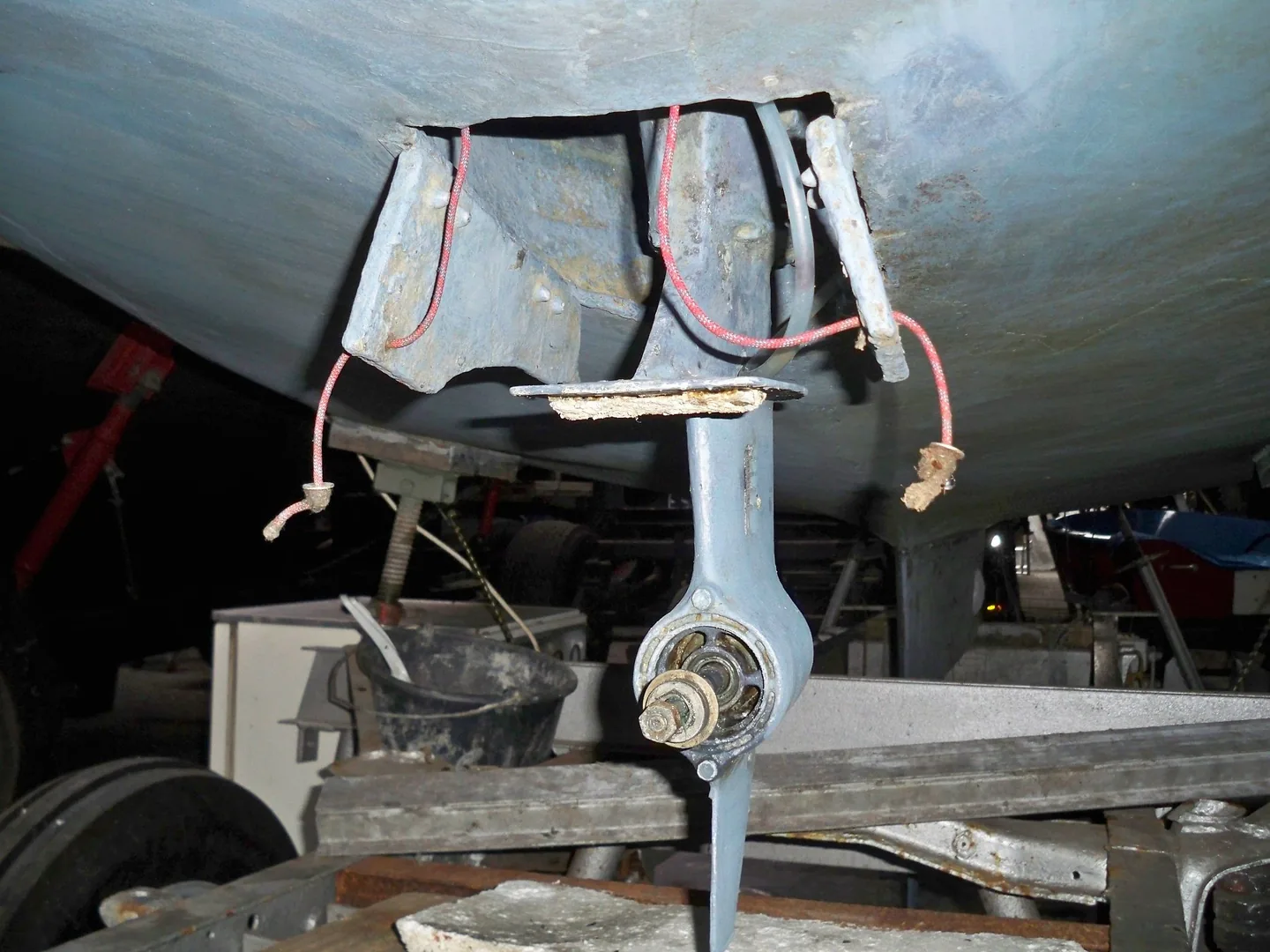
Stop home diagnosis when an over-temperature warning appears, protective power reduction activates, flow does not return after an external blockage is excluded, or there is substantial corrosion or rubber debris. Let the engine cool; opening hot cooling components introduces pressure and burn hazards without improving the evidence. A qualified technician can test the circuit using the maker’s service process.
Honda’s saltwater guidance calls for thermostat and water-pump service annually or every 200 operating hours on its outboards. That is a Honda recommendation, not a universal interval. The manual matched to the engine model and serial number controls the schedule, approved parts and service method; harsh silt or sand exposure is information to share with the service provider, not a reason to invent a new interval.
If an impeller has lost vanes, replacing it may be only part of the repair. Missing material can remain elsewhere in the circuit, so its location should be established rather than pushed onward by repeated flushing. Similarly, visible water at the tell-tale does not certify the thermostat or all cylinder-head passages, because the outlet is only one observation point.
Judge the system after normal operation resumes
Success is not the most forceful stream a household tap can manufacture. It is stable temperature, normal warnings and consistent flow after the engine has been returned to its approved operating configuration. Freshwater removes a known source of deposits; it does not replace functional checks under the conditions specified by the manufacturer.
The durable rule is uncomplicated: follow the exact manual, flush promptly, compare like with like and stop early when heat warnings appear. That approach turns the tell-tale into one useful data point rather than false reassurance, while reserving dismantling for faults that routine prevention cannot solve.
Sources and references
Sources consulted and references retained to verify data and context.
- Salt Water OperationHonda Marine
- How to Prevent Corrosion on Your OutboardYamaha Outboards
- Outboard Flushing | Maintenance MattersYamaha Outboards · 2024-03-06T00:00:00.000Z
- Making the First Run of the YearYamaha Outboards · 2026-04-23T00:00:00.000Z