Four Winns Vista 248: a complete used-boat guide
Factory specifications, variants, used-boat checks and a careful reading of Four Winns Vista 248 asking prices, with source conflicts kept explicit.
In brief
The Four Winns Vista 248 is a compact express cruiser for couples or small families combining day trips with occasional weekends. It offers a social cockpit, two sleeping zones and an enclosed head. Its main caveat is used-boat identity: brochure and listing dimensions and engine labels conflict, so plates, paperwork, sterndrive and structure require boat-specific verification.
Article outline
Model factsheet
Editorial data from official sources and observed listings. Open only the level of detail you need.
Key facts
- Observed years
- 2004–2006
- Length
- 7.21–7.5 m
- Beam
- 2.55 m
- Draft
- 0.8 m
Specifications and engines
1× Volvo Penta 5.0 GXI DP-S 270 hp · 1× Volvo Penta 5.0 GXi 280 hp
Observed prices
Observed asking prices from eligible active Batoo listings in this dossier, grouped by currency. This is not a valuation: taxes, equipment, condition, year and negotiation can change the final price.
Observed listings (2)
Listings form the dossier dataset and may change or become unavailable.
Images come from active Batoo listings and may show different individual boats, years and configurations. Brokers and sellers have not reviewed or approved this dossier. Broker Pro indicates an active subscription, not identity verification, and never guarantees editorial coverage, placement or assessment.
See Vista 248 listings on BatooListing photographsReal photographs from listings included in the dossier, with a link to each source.
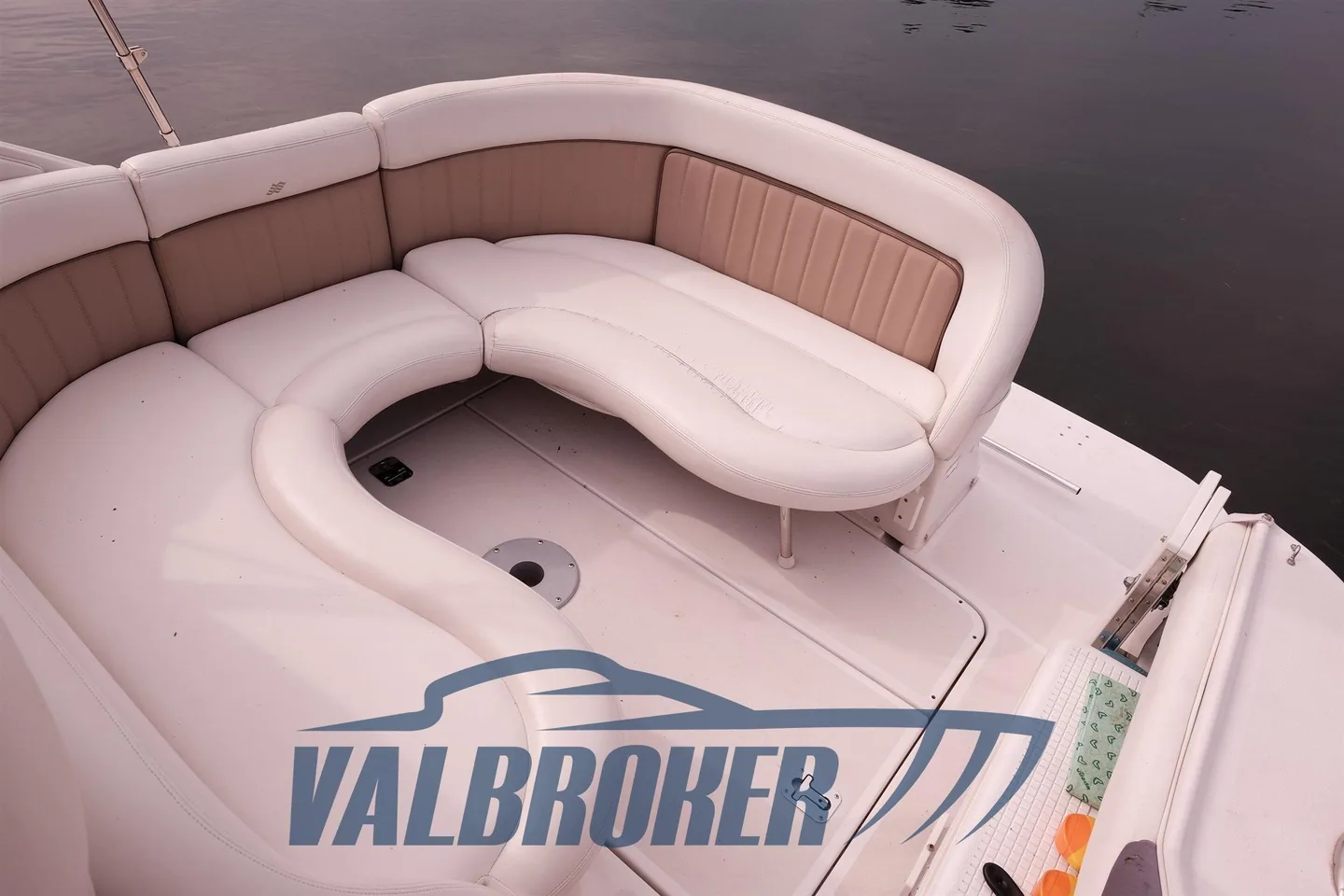
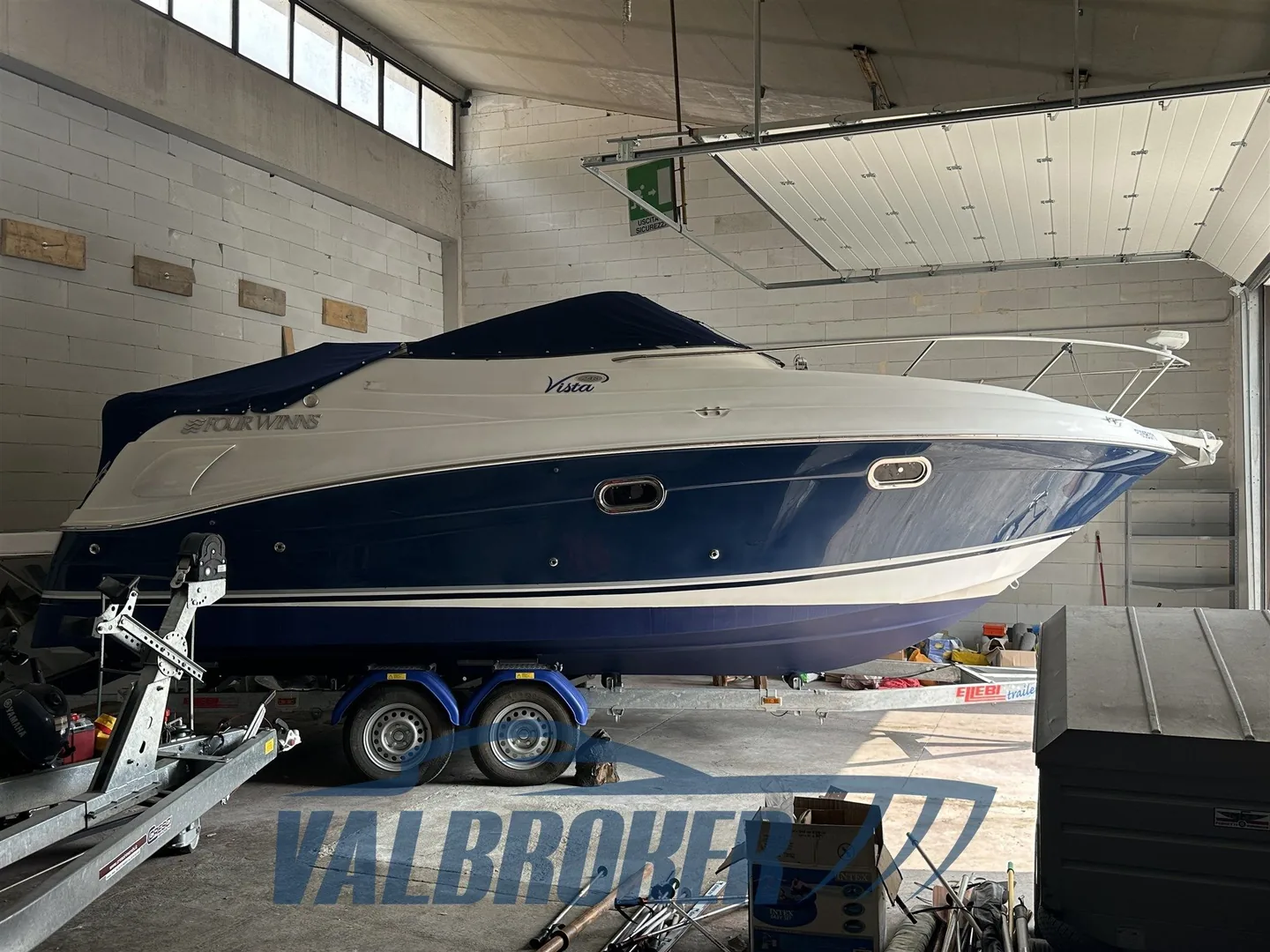
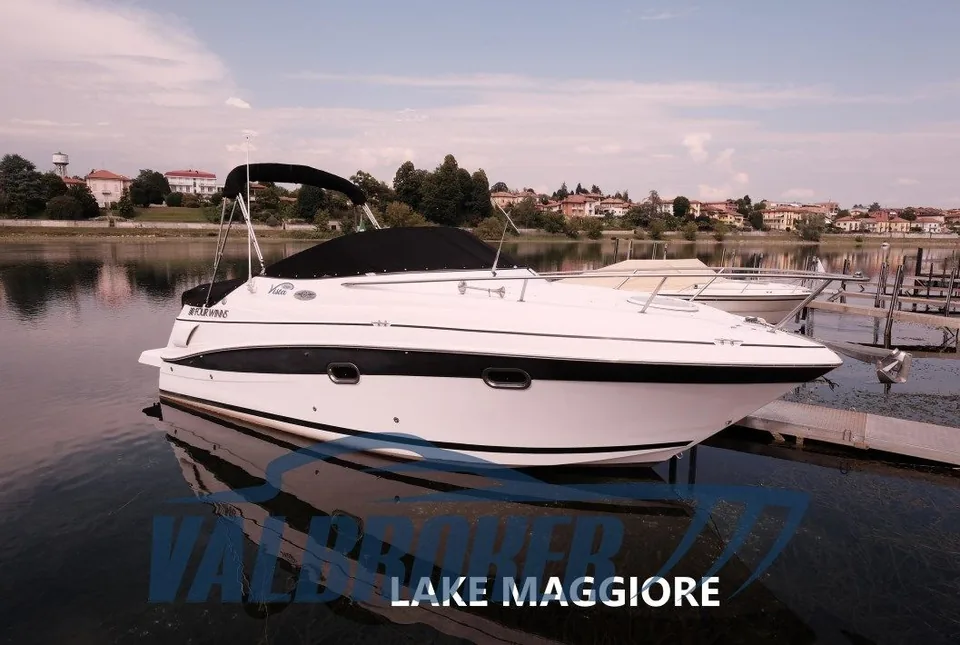
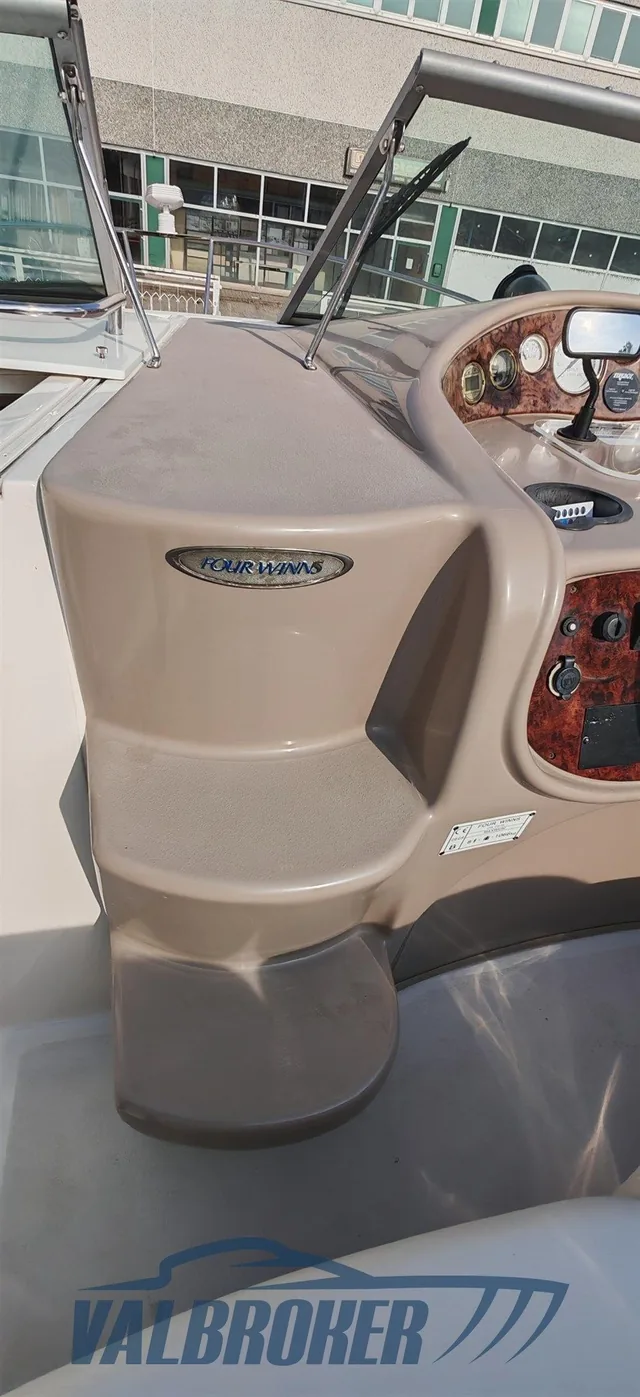
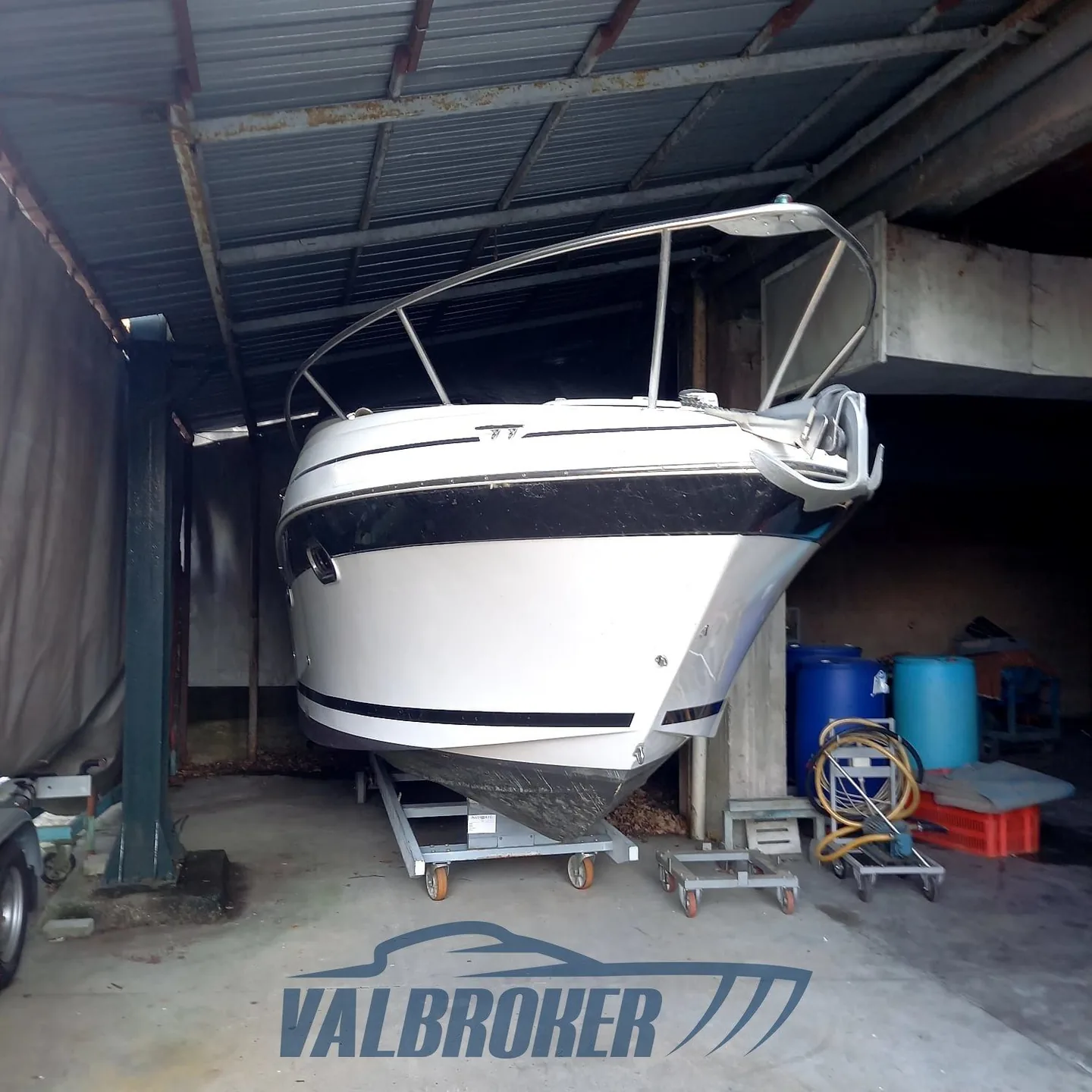
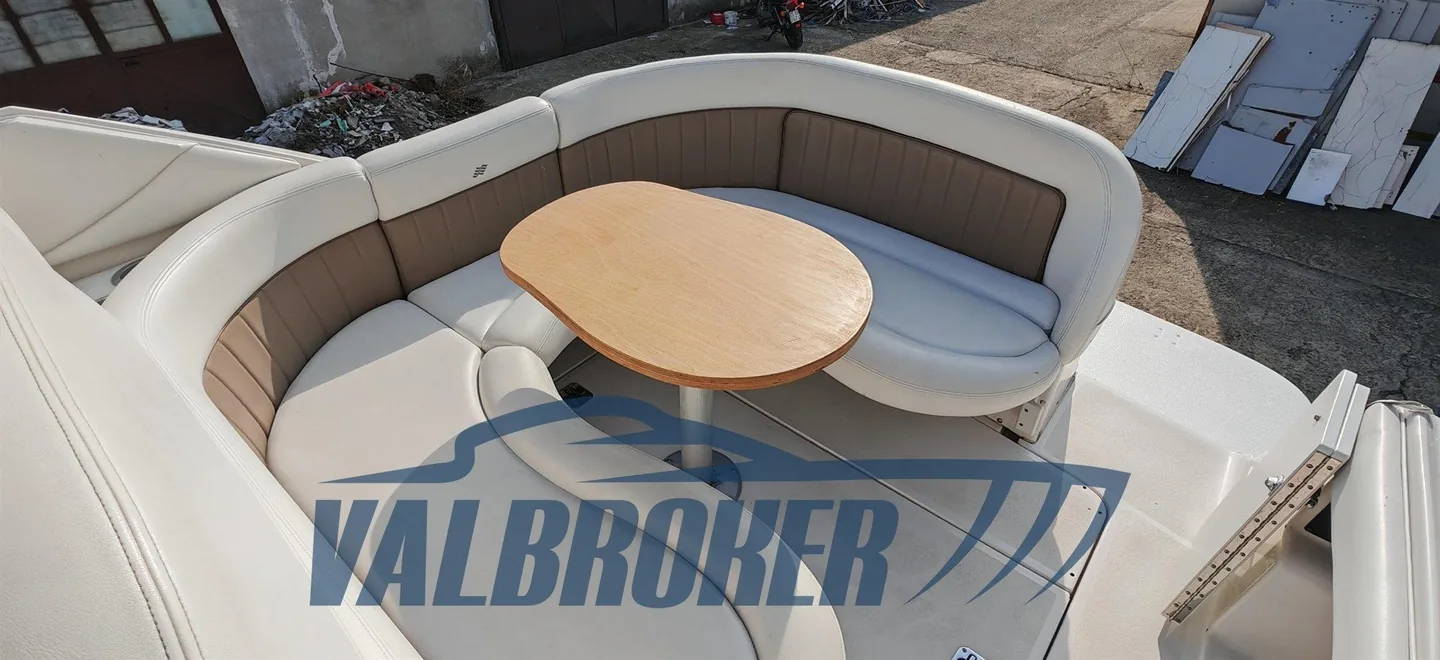
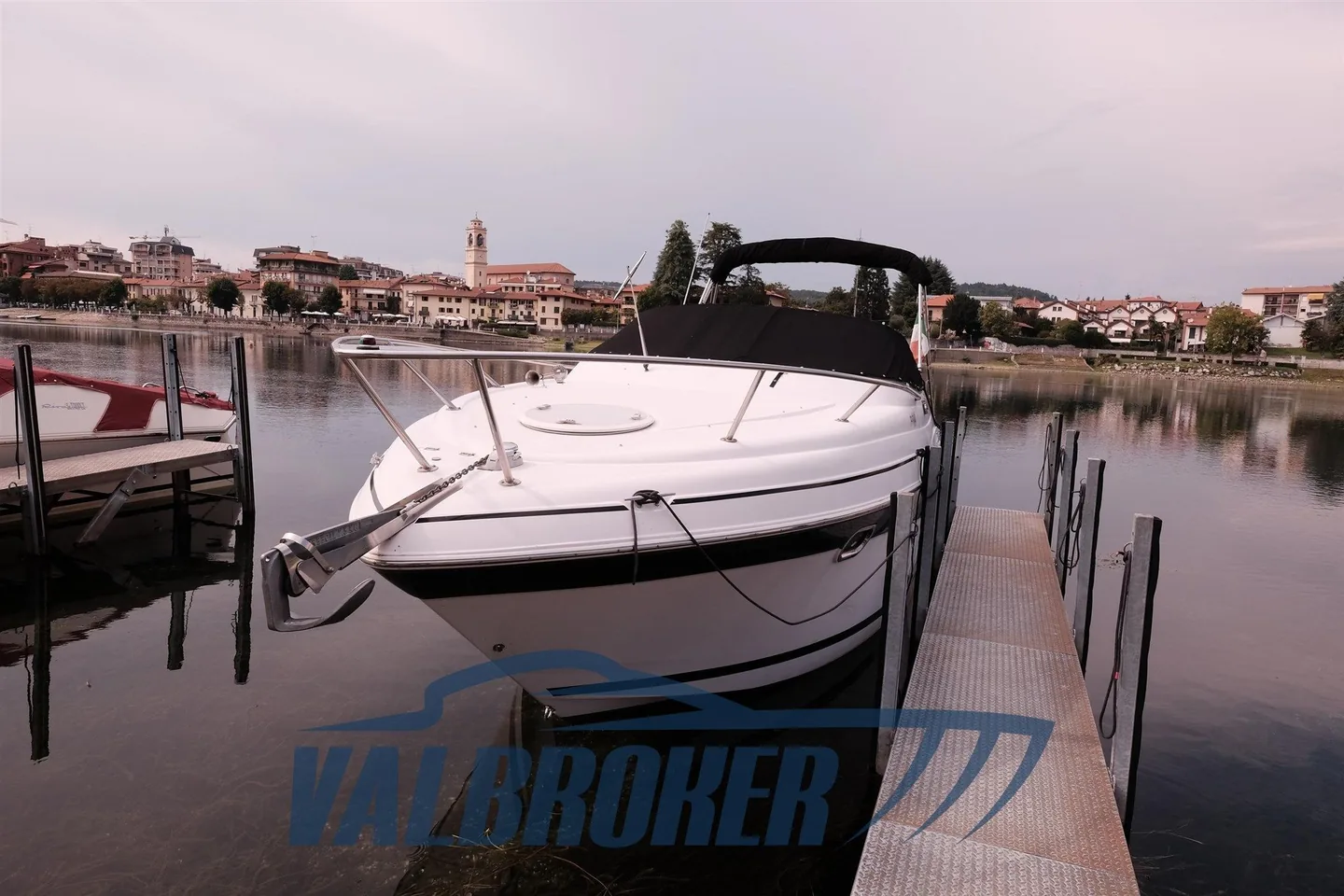
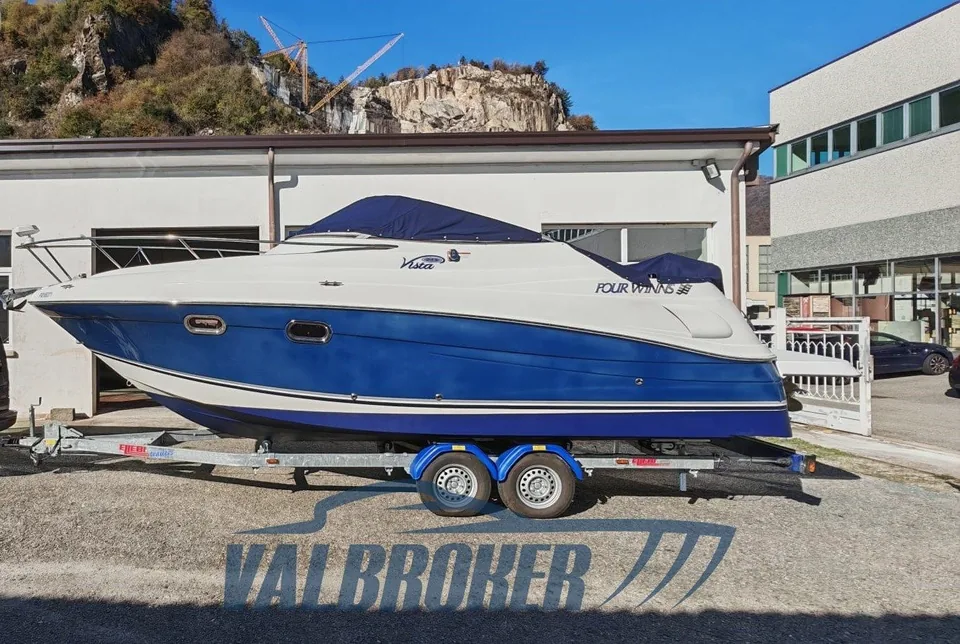
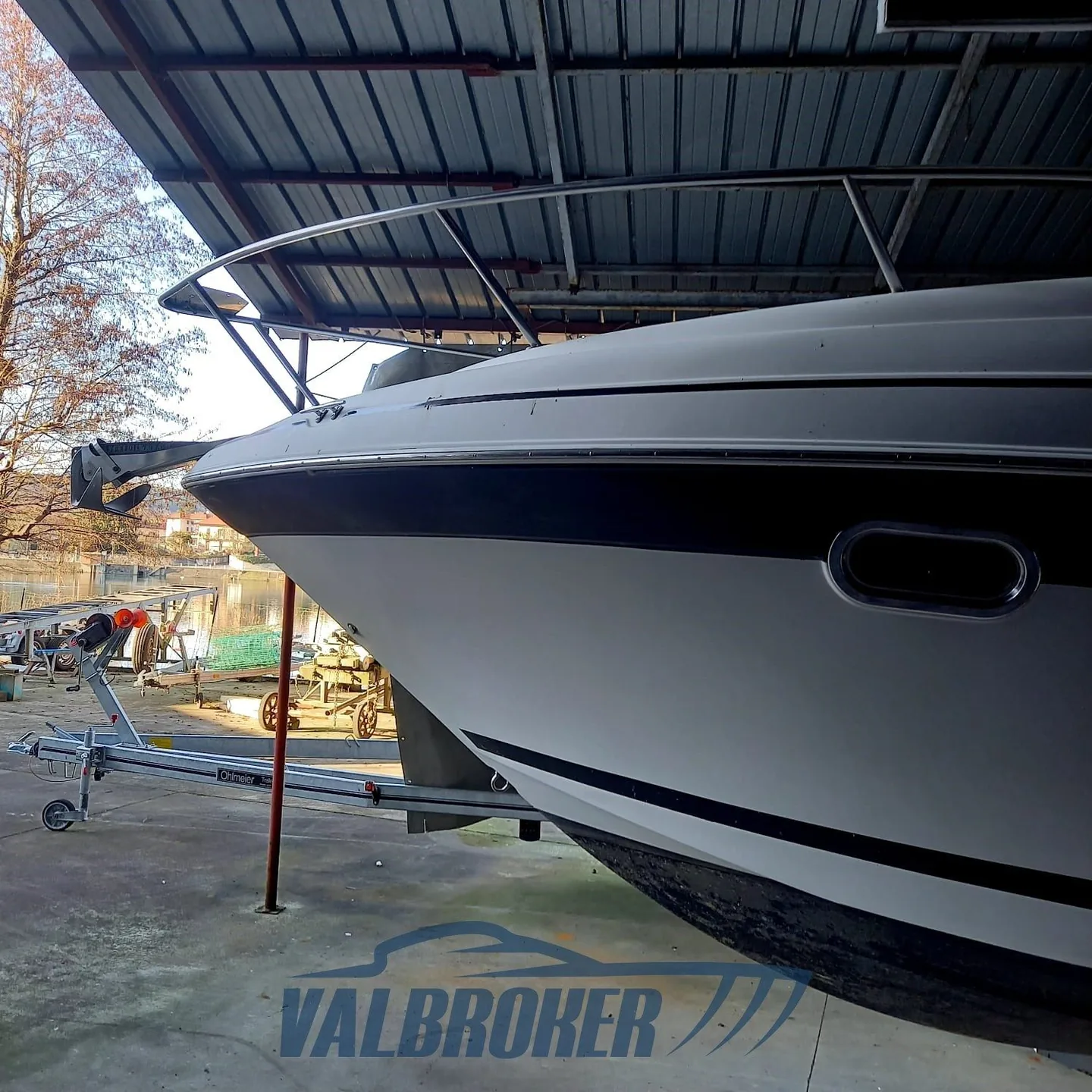
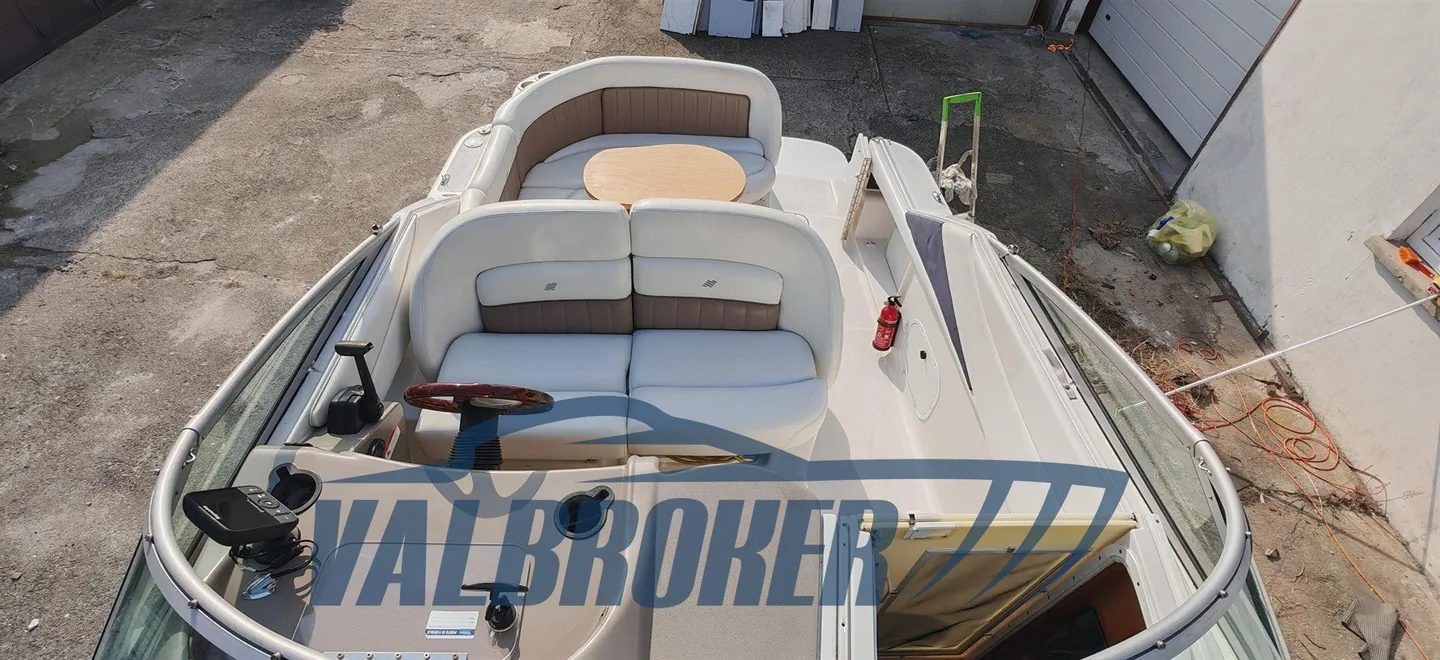
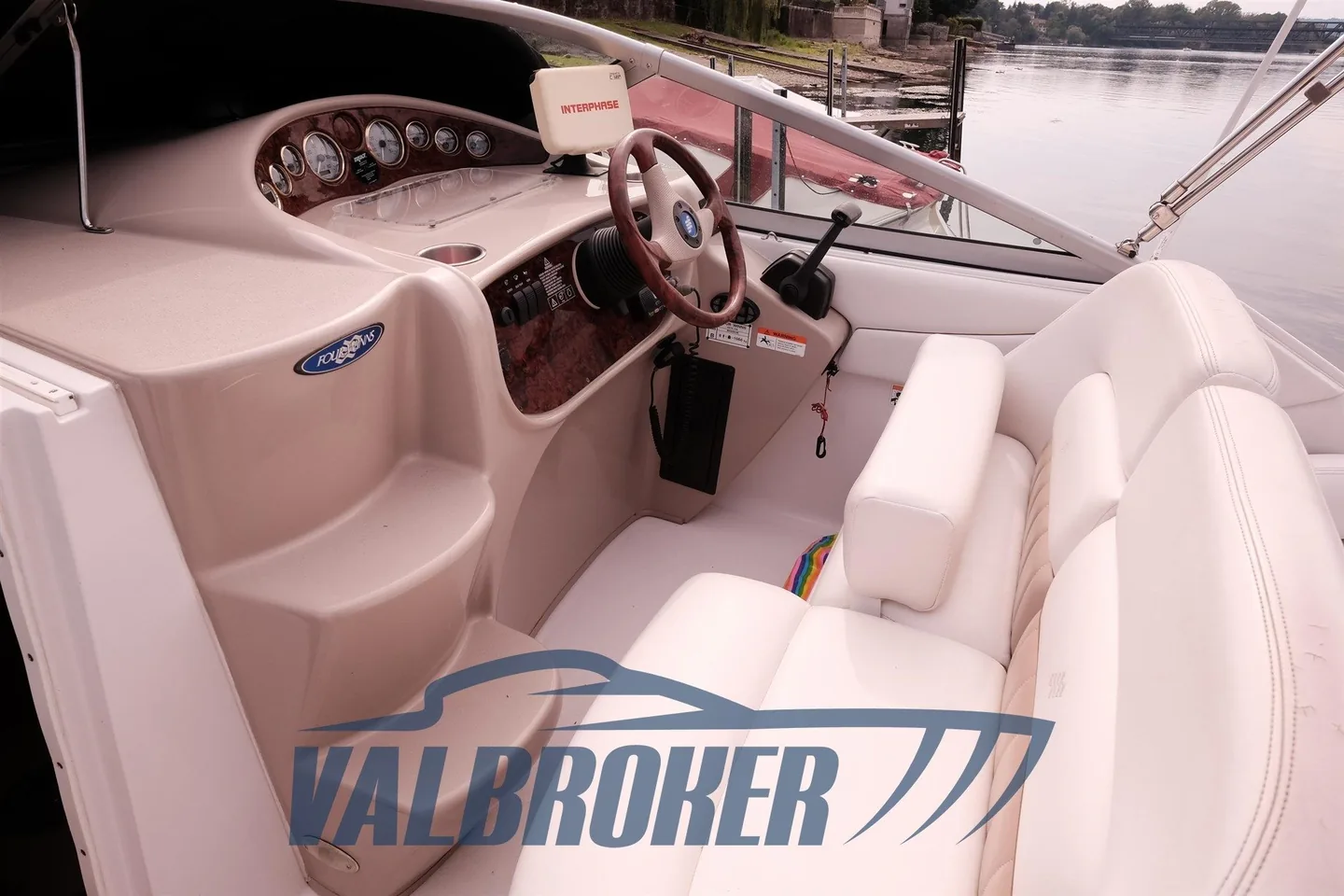
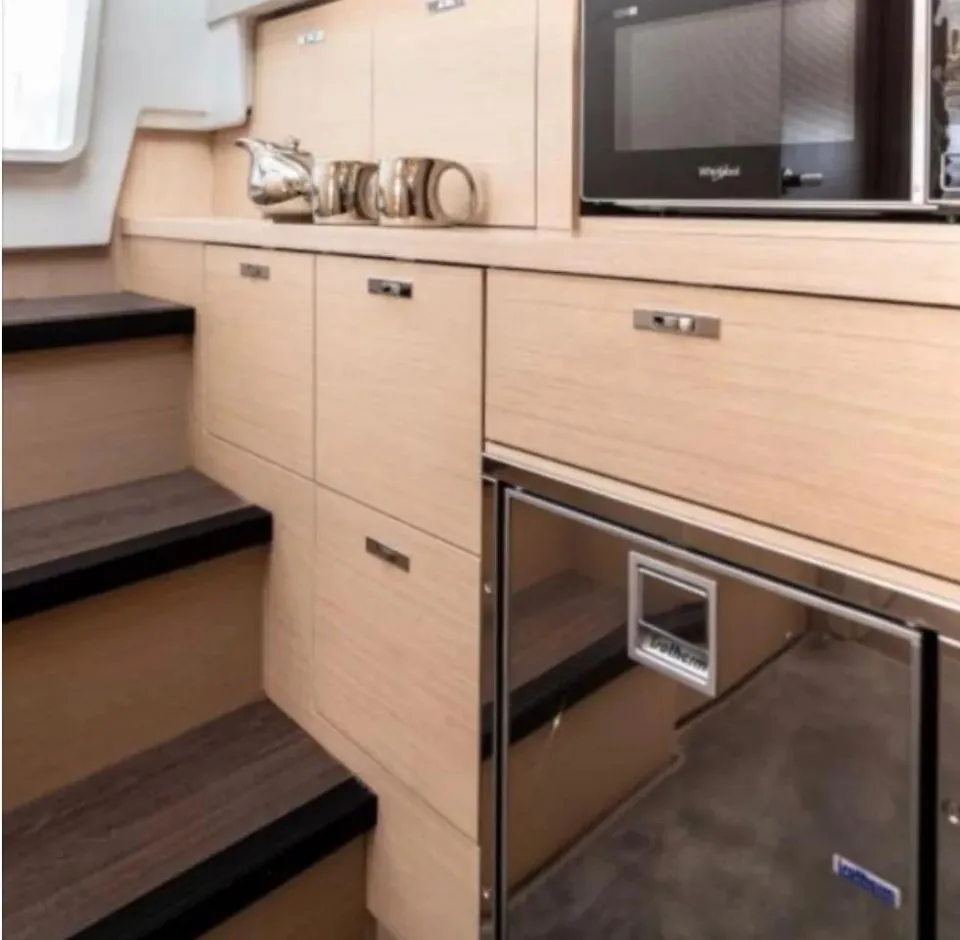
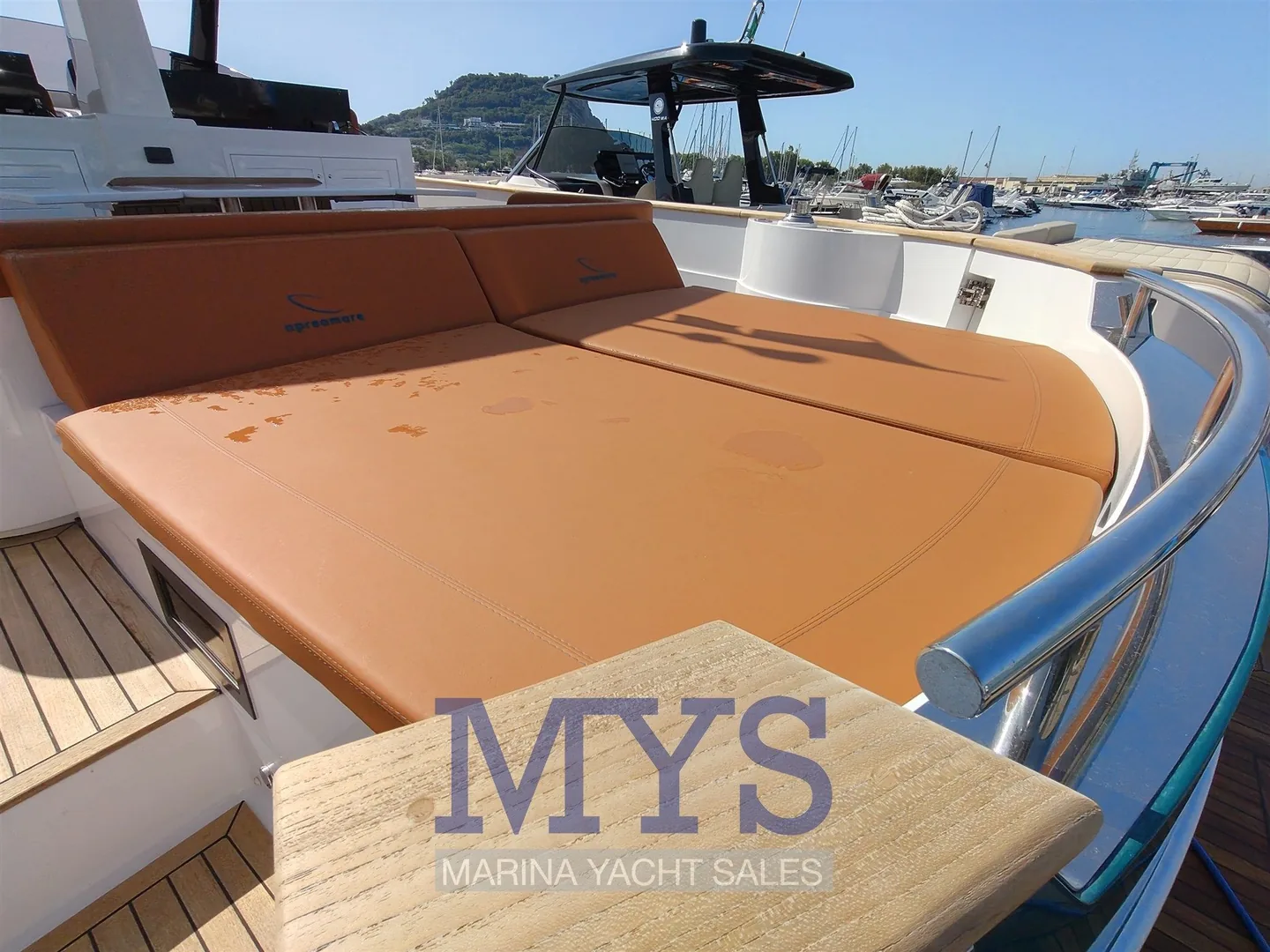
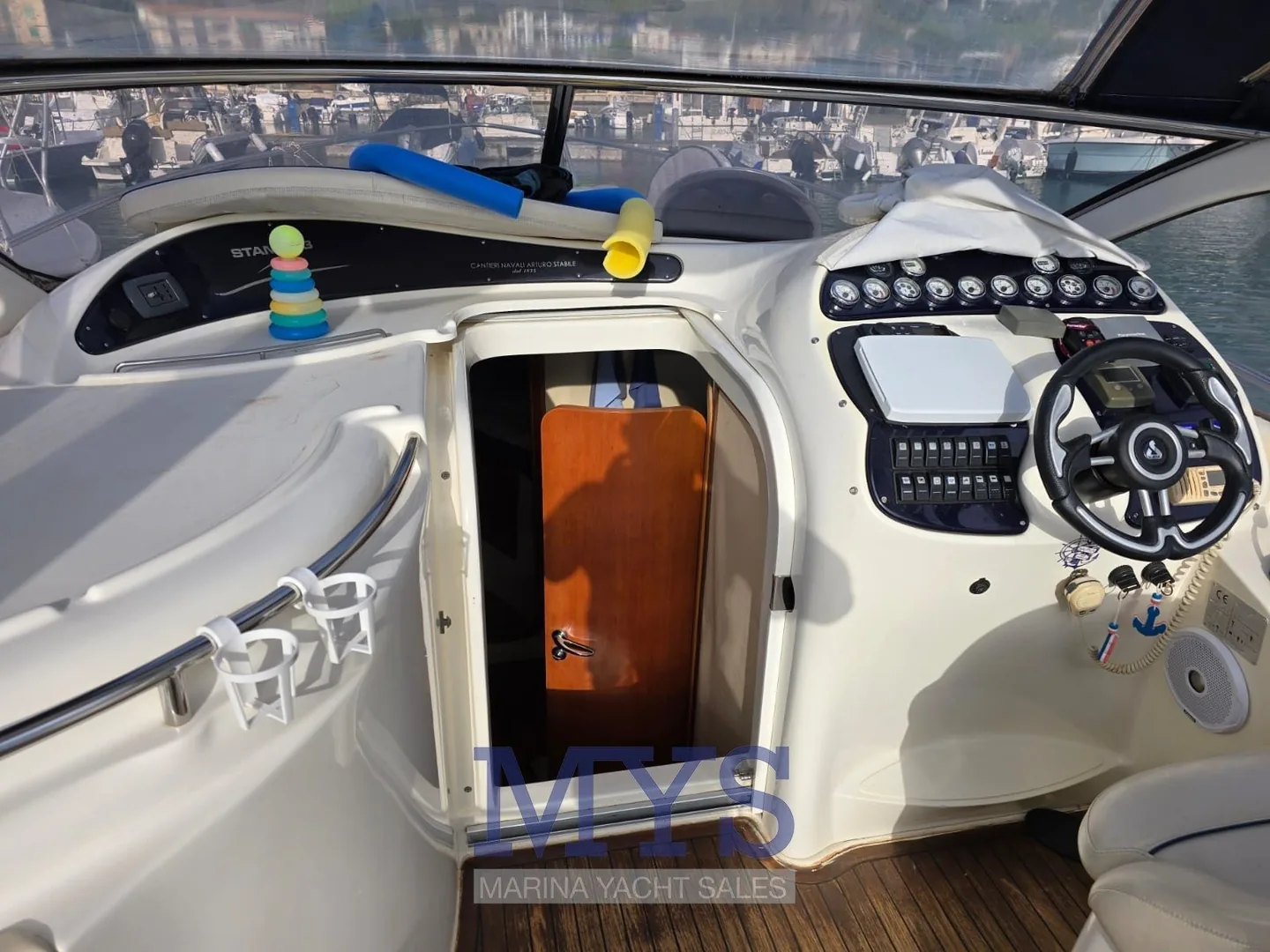
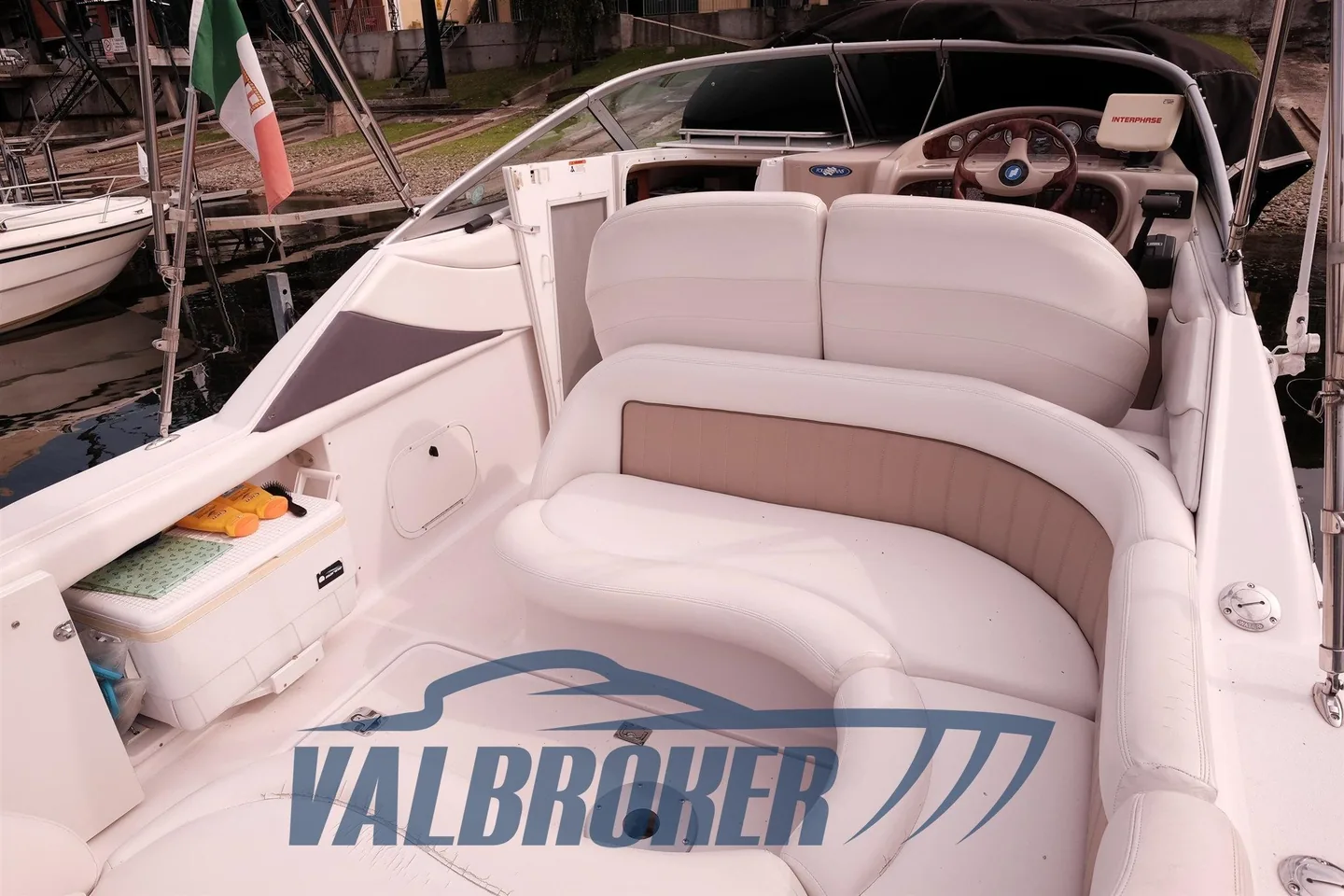
The Four Winns Vista 248 is a compact express cruiser that combines a social cockpit, extended swim platform, galley, enclosed head and two sleeping zones in a boat a couple can still manage. This guide keeps the 2004 factory specification separate from Batoo observations for 2004 and 2006 boats because their dimensions and engine labels do not fully agree. Images come from current listings and may depict different individual boats or configurations; brokers and sellers have neither reviewed nor approved this dossier. Broker Pro denotes an active Batoo subscription only: it is not identity verification and never guarantees coverage, ranking or a favourable assessment.
Design, specifications and documented variants
Four Winns' 2004 catalogue presents the Vista 248 as a single-sterndrive cruiser with the builder's Stable-Vee hull, 17-degree transom deadrise and an extended platform. The standard arrangement combines a convertible forward U-shaped dinette, a mid-cabin berth under the cockpit, a compact galley and an enclosed head. That makes it a day boat capable of an occasional overnight stay, rather than a miniature substitute for a larger twin-engine cruiser.
| Item | Four Winns 2004 catalogue | Batoo dossier, 2004/2006 boats | Responsible interpretation |
|---|---|---|---|
| Length | 7.98 m including platform | 7.50 m and 7.21 m | different conventions or records; do not average |
| Beam | 2.59 m | 2.55 m | verify against boat and papers |
| Draft | 0.91 m, drive down | 0.80 m | measurement states may differ |
| Fuel | 265 l | not structured in dossier | official 2004 figure only |
| Water / waste | 60 / 60 l | not stated | 2004 catalogue capacities |
| Boat and engine weight | about 2,760–2,770 kg | not stated | configuration-dependent dry figure |
The disagreement matters in practical decisions. “248” is a model name, not permission to treat nominal length, hull length and overall length as interchangeable; a berth, transporter or legal classification should be based on the particular boat's certificate, HIN and measured extremities. The 7.21 m value on the 2006 record does not prove the platform was removed; it proves only that the listing field follows a different value from the brochure.
Factory propulsion choices were broad. The 2004 catalogue offered petrol Volvo Penta and MerCruiser sterndrives from 260 to 320 hp, including a Volvo 5.0 GXi/DuoProp at 270 hp and a 5.7 Gi/DuoProp at 280 hp. The dossier describes the 2006 boat as a 270 hp 5.0 GXi DP-S with 400 hours, but labels the 2004 boat a 280 hp 5.0 GXi with 450 hours. The latter pairing does not match the 2004 factory table, so displacement, drive and rated power should be read from plates and records rather than inferred.
Strengths, trade-offs and limitations
The strongest feature is functional density. A U-shaped aft seating group, walk-through transom and large platform support swimming and entertaining, while the forward berth, mid-cabin and enclosed head make a short overnight possible. The official 2.59 m beam helps interior volume but also affects berth fit and road transport; local rules, permits and the actual trailer remain separate questions.
A single petrol V8 means one propulsion train to inspect, yet a sterndrive is not a low-maintenance system by definition. Bellows, gimbal components, cooling, exhaust, trim and the transom assembly can all create substantial bills after neglect. The catalogue's roughly 6,100 lb boat-and-engine weight also excludes the full operating load, so it should not be used on its own to specify a lift, cradle or tow vehicle.
Accommodation remains that of a nominal 24-footer. Four convertible berths do not provide four adults with separate cabins, and the galley is better suited to breakfast and simple meals than prolonged self-sufficient cruising. Weather protection also depends on the canvas package and its condition. Many comfort items were packages or options, which means model-level equipment lists cannot be assumed to exist on a particular used example.
Ideal use and the right owner profile
The Vista 248 best suits a couple or small family mixing day trips, swimming stops and occasional weekends aboard. Life is centred in the cockpit; the cabin adds shelter and essential facilities without turning the boat into a permanent cruising platform. Lakes, sheltered coastal routes and short hops are plausible uses, subject to the weather, certification and safety equipment of the individual boat.
It is a weaker fit for buyers who need genuinely separate cabins, extended autonomy or propulsion redundancy. Frequent towing also requires a measured all-up trailer weight, confirmed width and a suitably rated vehicle, rather than a decision based on the model number. A realistic owner will reserve funds beyond the purchase price for canvas, upholstery, seals and ageing electrical or plumbing systems.
Used-boat inspection priorities
Start by establishing technical identity. The HIN, model year, registration or conformity documents, engine serial number and drive designation should agree; the dossier's 5.0/280 hp mismatch is a specific reason to request clear plate photographs. The reported 400 and 450 engine hours are context, not condition: service invoices, storage periods, diagnostic data and cold-start behaviour matter more than the counters alone.
The hull survey should include moisture readings around loaded fittings and scrutiny of impact repairs, hull-to-deck joint, rails, hatch frames and platform attachments. The catalogue specifies balsa-cored hull sides and deck, making poorly sealed hardware a targeted inspection point without proving that damage exists. The engine bay deserves checks for corrosion, fluid traces, fuel odour, ineffective ventilation and evidence of standing water.
The sterndrive needs a separate examination of lubricant, propellers, free play, trim function, bellows and transom sealing. From a cold start, a technician can observe oil pressure, temperature, charging, exhaust and smoke; during a sea trial, load, steering and achieved rpm should be judged against the installed engine and propeller documentation. A shore-side photograph cannot replace haul-out and an on-water trial.
Below deck, test both battery banks if fitted, selector and charger, bilge pumps, fresh water, toilet and waste system. Refrigerator, cooker, water heater, shore power and air conditioning may be standard, packaged or optional depending on the build, so the signed inventory should say what is present and working. Canvas, zips, portlights and hatch seals also deserve a replacement-cost estimate, not a casual visual glance.
Alternatives and a useful comparison method
| Candidate | Why it belongs on the list | Compare on the actual boat |
|---|---|---|
| Sea Ray 240 Sundancer | similar compact express-cruiser brief | mid-berth access, weight, engine and service support |
| Bayliner 245 Ciera | family-oriented cockpit and cabin concept | finish, systems, payload and condition |
| Chaparral Signature 240 | another American cockpit/cabin package | layout, hull, installed options and refit cost |
| Four Winns Vista 268 | a step up within the same family | extra room versus berth, fuel and handling costs |
This is an editorial shortlist, not a ranking or an equivalence claim. A fair comparison holds age, propulsion, documented care and survey quality broadly constant; a larger but neglected boat is not automatically better value. Buyers who sleep aboard rarely may prefer a simpler cuddy with fewer systems, whereas regular cruising can justify a longer hull with genuinely separated accommodation.
Observed asking price and methodology
The Batoo dossier snapshot dated 30 September 2026 contains two active Italian records. One has a usable asking price of €37,500; the other stores a raw amount of €1 while its public presentation says price on request. Batoo analysis therefore treats €37,500 as the only interpretable monetary observation. The €1 entry is a placeholder, not a market floor, and it is neither averaged nor used to manufacture a range.
One visible price is not a valuation. Model year, exact engine and drive, documented refit work, tax position, equipment, transport and faults can change total acquisition cost, while a negotiated transaction may differ from the asking figure. The sound method is to treat €37,500 as a current sample point, add survey and remediation budgets, and compare like-for-like boats before drawing a market conclusion.
Sources and references
Sources consulted and references retained to verify data and context.