New Santa Clara boat inspection rules from June 15, 2026: what owners actually need to do
From June 15, 2026, Santa Clara County reservoirs will apply new inspection rules to limit the spread of invasive mussels. Here is what actually changes for owners trailering, launching, and relaunching inland boats.
Article outline
Why this matters beyond the Bay Area
On June 8, 2026, Santa Clara County Parks announced that new inspection rules will take effect on Monday, June 15, 2026 for all county waters open to recreational boating. The stated goal is to limit the spread of invasive mussels, especially quagga and zebra mussels.
At first glance, this looks like a local story. In practice, it matters much more broadly. Any owner who trailers a boat between lakes, reservoirs, and inland waterways already knows that mussel-control programs are getting stricter, more coordinated, and less forgiving of last-minute habits.
For Batoo readers, the real point is not just what is happening in Santa Clara. It is how trip planning changes when a boating area tightens inspections.
What changes on June 15, 2026
According to the county’s official notice, reservoirs open to recreational boating will accept only vessels registered within Santa Clara County, unless the vessel successfully receives a 30-day quarantine seal.
That is the operational headline. For many owners, the real problem will not be the inspection itself. It will be the loss of flexibility. If you are used to moving one boat between multiple lakes or deciding where to launch at short notice, a rule like this forces a much more disciplined routine.
The county’s official inspection page adds two important practical details:
- a failed inspection can result in a 5-day or 30-day quarantine
- staff warn of possible delays at inspection stations between 11:00 a.m. and 1:00 p.m. on reservoir operating days
So this is not only an administrative change. It is also a boating-day logistics change.
Why enforcement is tightening
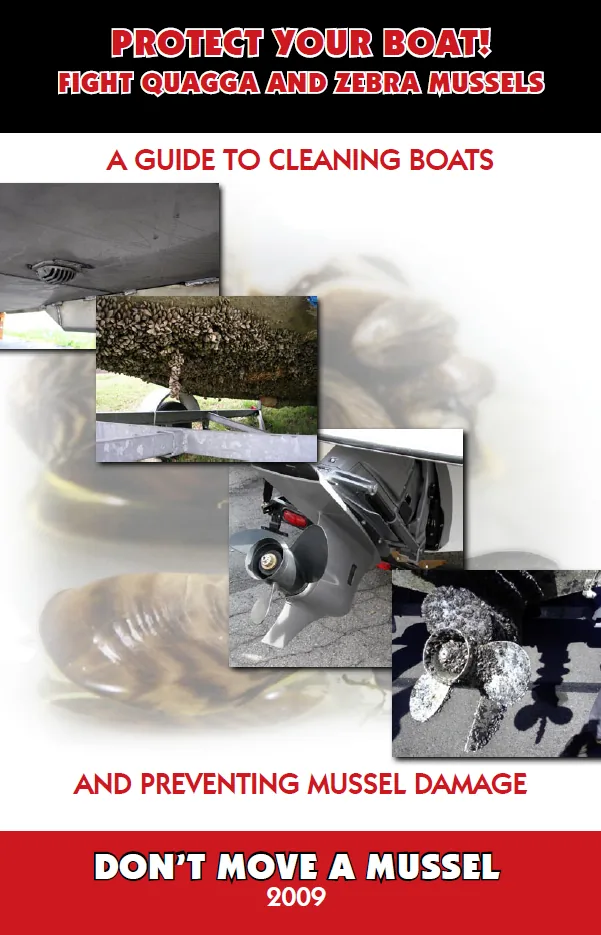
The technical rationale is consistent with long-standing guidance from California authorities. California’s Division of Boating and Waterways explains that quagga and zebra mussels can be transported by boats and equipment between freshwater bodies. The Department of Water Resources also notes that these organisms can damage water infrastructure, the environment, and equipment.
For owners, that means the risk is not limited to a visibly dirty hull or trailer. Residual water in bilges, systems, compartments, and gear can be part of the problem too, even when the boat looks clean at first glance.
That is why more managers are leaning on seals, quarantine periods, and documented last-use history instead of relying only on a boater’s verbal declaration.
What owners should actually do
1. Treat the calendar as part of safety planning
If you plan to boat in Santa Clara County after June 15, do not think only about weather and ramp access. Think about the recent history of the boat:
- where it has been used in the previous days
- whether it has sat long enough for any required quarantine
- whether it can qualify for the required seal
- whether your arrival time reduces inspection-line risk
2. Minimize residual moisture
The operating principle is still the familiar one: clean, drain, dry. Even when a local system adds banding or quarantine, arriving with a clearly dry, drained, organized boat reduces friction, questions, and the chance of failing inspection.
Before you tow out, check carefully:
- bilge
- livewells and tanks
- cooling passages and accessible drain points
- anchor, lines, and wet fenders
- lockers and damp gear
- trailer bunks, rollers, and hard-to-see areas
3. Avoid impulsive lake-to-lake moves
Owners using multiple lakes in one week should expect the model of “launch here today and somewhere else tomorrow” to become less workable. Santa Clara’s update is a useful signal: regulators are rewarding predictable use and making unplanned movement harder.
For many owners, the most efficient choice will be grouping more outings on the same body of water instead of moving constantly.
4. Budget for inspection time and fees
The county’s fee page shows dedicated inspection charges, including daily and annual options. Even if the fee itself is not the main issue, it is a useful reminder that invasive-species compliance is no longer a minor side note. It is part of the operating budget and time budget for the season.
What this means for inland boaters
The most useful lesson is not limited to California. When a local authority shifts to tighter rules, efficient owners stop treating inspection as a last-minute obstacle and start treating it as part of launch preparation.
That means:
- choosing the destination earlier
- keeping the boat genuinely dry between uses
- maintaining an orderly, defensible routine
- arriving at inspection points with time in hand
For owners of tenders, bass boats, runabouts, wake boats, and other trailerable craft, this matters as much as normal maintenance. If the reservoir will not let you launch, the rest of your preparation becomes secondary.
What to watch next
Santa Clara County is a useful indicator of a wider direction: more visible controls, more formal procedures, and stronger prevention of cross-contamination between inland waters.
Owners should watch three things:
More places adopting similar programs
If more authorities adopt seals, quarantine periods, or dedicated inspection procedures, trailer boating will require even more advance planning.
Real-world wait times at inspection stations
The county has already flagged a midday bottleneck. If summer demand builds, inspection delay may become a genuine operating factor.
More weight on documented routines
As controls tighten, it matters more that the boat clearly reflects good practice: dry, clean, and consistent with its declared last use.
Bottom line for Batoo readers
The story is not only that Santa Clara County changes its rules on June 15, 2026. The larger story is that inland boating increasingly asks owners to think more like light-aircraft operators or professional charter managers: less improvisation, more procedure.
If you want to avoid gate rejections, failed inspections, or wasted boating days, the priority is simple: plan earlier, dry better, and move between waters less casually.
Sources and references
Sources consulted and references retained to verify data and context.
- Changes in Vessel Banding Policy at Santa Clara County ReservoirsSanta Clara County Parks · 2026-06-08T00:00:00Z
- Boat inspection informationSanta Clara County Parks
- Quagga, Zebra, and Golden MusselsCalifornia State Parks Division of Boating and Waterways
Continue reading
406 MHz EPIRB and PLB: choosing, registering and testing
September 27, 2026 · 7 min read
Navigation lights: inspect and test them aboard
September 26, 2026 · 7 min read
Boat reboarding ladders: test them from the water
September 25, 2026 · 7 min read