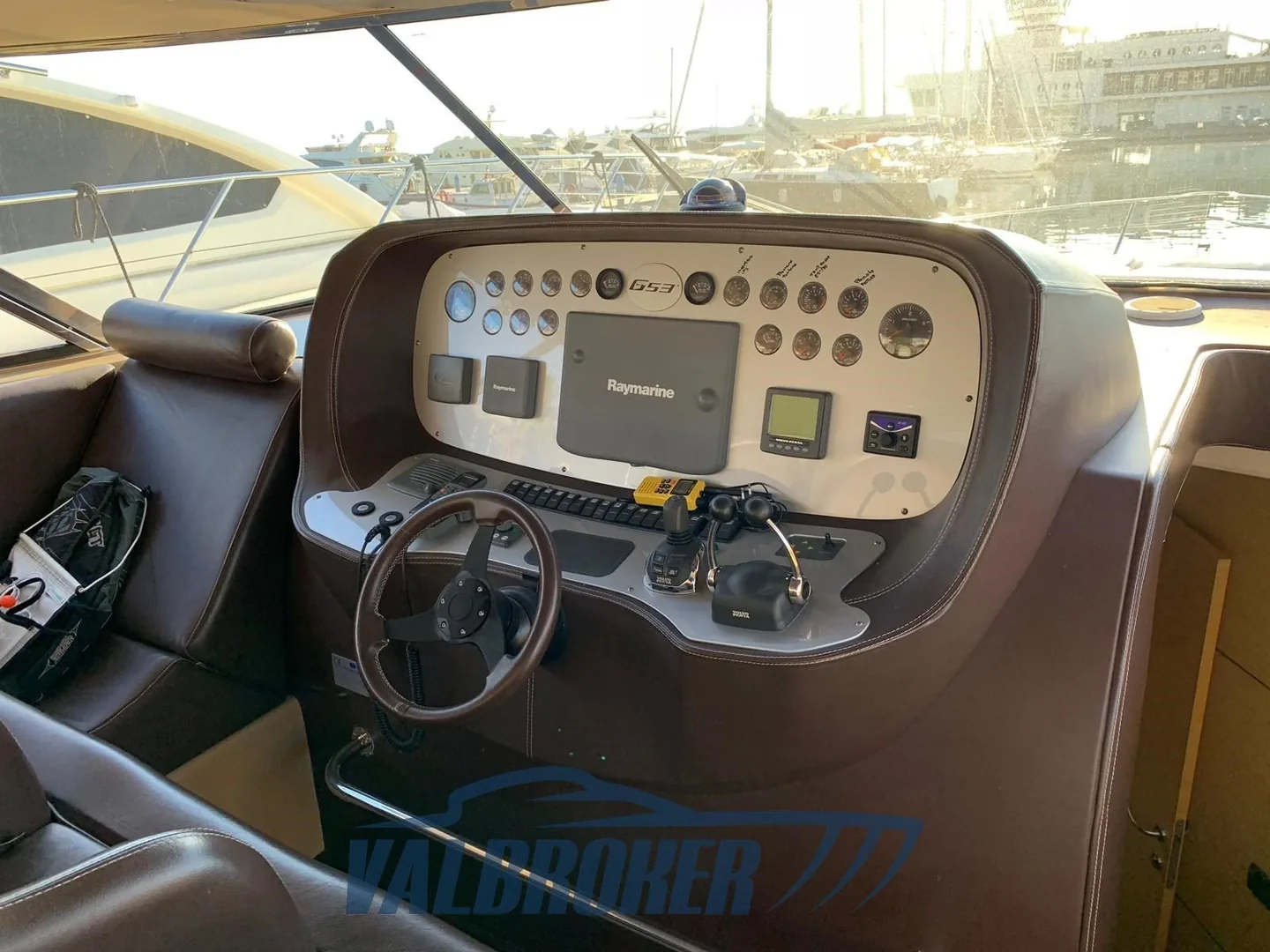
Ex-charter boat: judge the record, not the label
An ex-charter boat is not automatically worse or better. Learn how to tie fleet policies, phase-out reports, invoices and a later survey to the specific hull.
In brief
Do not judge an ex-charter boat by its label. Judge whether dated records, identifiers, repair documents and the fleet-exit report form a traceable history for that hull. Even a coherent file cannot certify present condition; it should shape focused questions, a professional survey and an agreed trial without turning promises or missing records into facts.
Article outline
“Ex-charter” is often treated as a condition report compressed into two words. One buyer hears heavy use and walks away; another hears professional fleet and assumes disciplined maintenance. Both reactions skip the only history that matters: the dated record attached to the particular hull, followed by an assessment of what is there now.
This article offers a way to read that record without ranking charter and private ownership. It does not estimate a discount, diagnose machinery, or replace a survey and an agreed trial. Its purpose is to test whether a fleet-wide promise can be traced to one boat.
A use label is not a condition grade
Charter tells us that a boat worked commercially. It does not, by itself, quantify wear, identify repairs, or describe present condition. “Privately used” is equally incomplete when storage, maintenance continuity and past incidents are unknown.
Three layers need to remain separate. A fleet policy says what an operator generally intends to do. Unit records say what was entered against a specific hull at a specific time. A later survey and trial examine condition within their stated scope. Evidence cannot jump from the first layer to the third merely because the policy sounds detailed.
The distinction is not an argument against charter boats. It is protection from two symmetrical shortcuts. An organised file does not make a boat sound, while a missing record does not prove a fault; each changes the questions and the uncertainty that the buyer must carry forward.
Turn a maintenance promise into a hull-specific trail
In a page dated 19 September 2025, Sunsail separates turnaround, seasonal work and end-of-programme phase-out. It also advises owners to obtain the phase-out report as a record of work. Those statements describe Sunsail’s own programme. They are not an independent audit, and they cannot prove that every listed task occurred on a boat now being offered.
The Moorings brokerage FAQ adds useful friction. It says phase-out differs from boat to boat, that an earlier survey may exist for some vessels, and that its broker can check for insurance claims made while a boat was in the fleet. A claims check is only one channel: no recorded claim cannot establish that no damage occurred.
The same FAQ says maintenance logs are not typically available under its operating model. Sunsail and The Moorings are related businesses, so these pages should not be counted as independent corroboration. Read together, however, they expose the decisive question: which dated document bearing this boat’s identity connects the stated process to this hull?
Build the history as a timeline, not a pile
The matrix below is Batoo analysis. It sorts records by time and evidential reach; it does not authenticate a document, assess workmanship or claim that every operator produces each item.
| Stage | Record tied to the boat | What it may establish | What remains unknown |
|---|---|---|---|
| Routine operation | dated job sheet or log with hull identity | a recorded check or task on that date | outcome, omitted areas and later use |
| Repair | work order, invoice and before/after images | named component and declared work | full cause, quality and current state |
| Seasonal period | dated work list and operating base | tasks attributed to one season | continuity across years and uncovered systems |
| Fleet exit | phase-out report with attachments | findings and work recorded at handover | changes after handover and report limits |
| Later assessment | independent survey and agreed trial | professional observations on that date | future development and excluded areas |
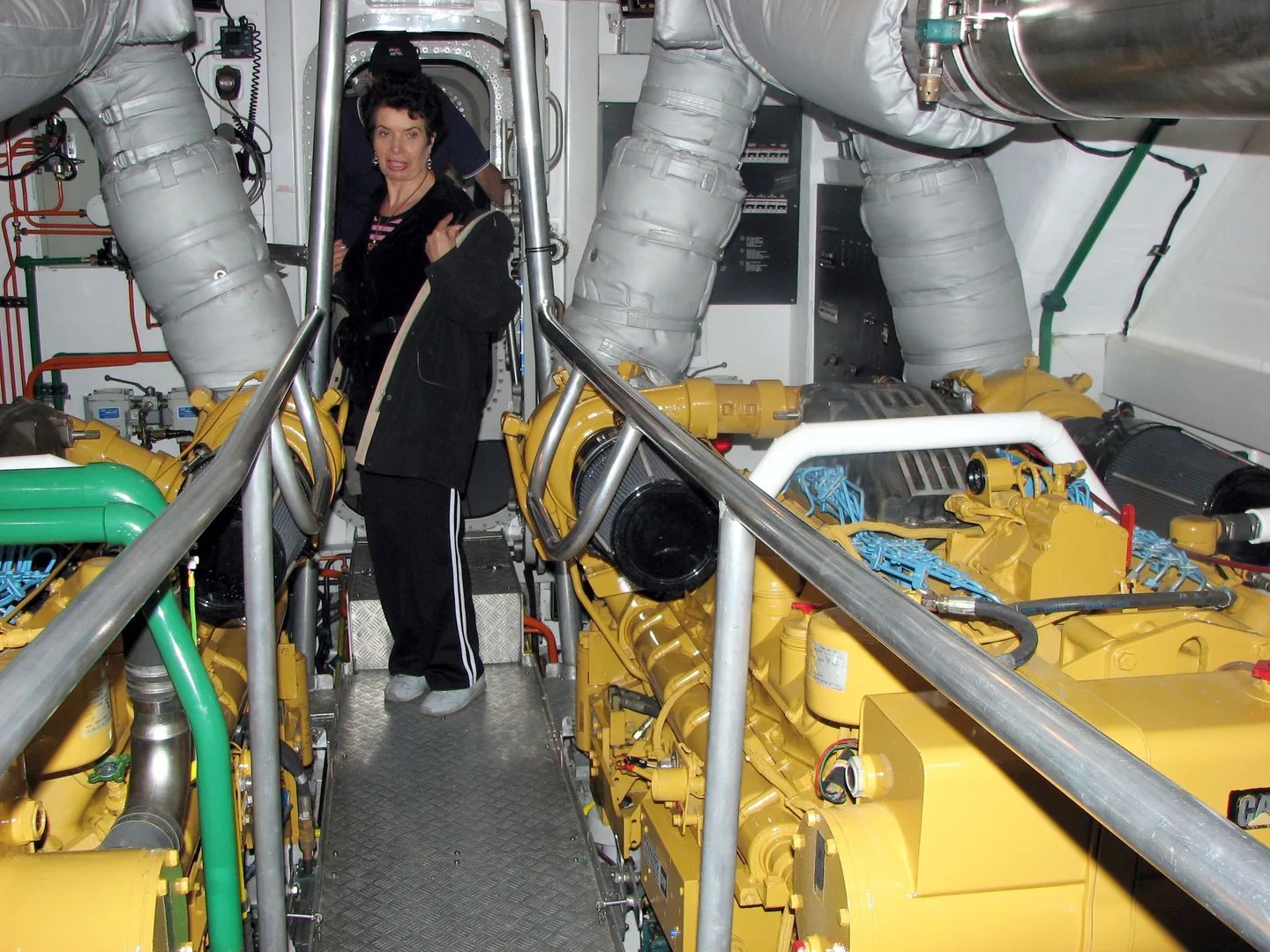
Volume is a poor measure of this file. The useful links are hull number, date, component, issuer and description. An engine invoice can be strong evidence of an identified engine task while saying nothing about sails, structure, domestic systems or the condition reached months later.
Do not smooth disagreements into a more attractive narrative. If a phase-out summary mentions a replacement but no underlying work order is available, describe the evidence at summary level. If an old survey is offered, record its date, instructions and exclusions before relying on any conclusion.
Two hypothetical boats expose the bias
Consider two boats of the same model and year; this is an illustrative comparison, not a real case. Boat A has left a charter fleet with a named phase-out report, several component-specific invoices and an older survey that states its limitations. Privately used Boat B looks less marked inside but comes with an undated maintenance summary.
Boat A is easier to question, not automatically better. Its paperwork may direct the new surveyor, yet the old survey is not current and the invoices cover only named work. Boat B may be in excellent condition, but appearance and an owner’s summary cannot reconstruct the missing dates.
Change one fact and the judgement moves. Suppose Boat A’s phase-out paper is generic and carries no hull identity, while Boat B’s invoices match serial numbers and dates. The commercial labels become almost irrelevant. The better starting point is the more traceable claim; the final decision still belongs to present-condition evidence.
Paperwork prepares a survey; it cannot perform one
The Royal Yachting Association’s practical paperwork list includes service information for engines, generators, sails and water heaters, equipment manuals and receipts for major repairs. We use that source only for documentary practice. Its UK legal, tax and contractual guidance is outside this Italian buyer-focused article.
The RYA also treats documentation, professional survey and an on-water trial as distinct parts of the process. A clear chronology improves the survey brief because it points to reported work and unexplained intervals; it does not certify present condition. Batoo’s guide to what an ashore viewing can and cannot reveal develops the same boundary from the physical side: visibility ashore is useful, but it cannot reproduce operation afloat.
Avoid requesting a vague “full history”. Ask for the index of available records, the boat identity shown on each, the period covered, major repair documents, phase-out report, earlier surveys and a written list of gaps. A missing answer stays unknown; it should not be converted into either an accusation or reassurance.
Leave for the viewing with a one-page chronology
Before booking travel, make a five-row sheet: routine use, repairs, seasonal work, fleet exit and later assessments. Against each row enter date, record, boat identifier, component and open question. Put general operator policies in a separate column until a unit-level record connects them to the candidate.
Send the sheet to the seller or intermediary and ask them to correct identities and mark genuine gaps. Then use it to agree the scope of an independent inspection and trial with a suitable professional. This is document organisation, not technical advice.
When comparing alternatives in the used-boats catalogue, apply the same chronology to charter and private boats alike. The next action is not to accept or reject the label; it is to obtain the report that is said to exist, tie every material record to the hull, and price the remaining uncertainty only after professional assessment.
Sources and references
Sources consulted and references retained to verify data and context.
- Behind the Scenes: How Your Sunsail Yacht is MaintainedSunsail Yacht Ownership · 2025-09-19T00:00:00.000Z
- Frequently Asked QuestionsThe Moorings Yacht Brokerage
- Tips for buying or selling a boatRoyal Yachting Association