Used boat equipment: what is really included?
Photos show, brochures describe and inventories declare: three different things. A practical matrix for deciding which equipment genuinely belongs with a used boat.
In brief
Equipment visible in a photograph is not automatically installed today, working or included in the sale. Record four separate checks for every item: the correct year-and-version model document, a dated photo of the actual boat, physical confirmation and a written inclusion statement. Any missing box remains unknown and must follow the boat into the viewing or professional inspection.
Article outline
Photographs are often the most persuasive part of a listing, yet they are also the easiest evidence to overread. A helm display, a tender on the platform or an erected cockpit table proves only that the object was visible when that image was made. It does not, by itself, establish the date, present condition, ownership or sale inventory.
This method is for a buyer screening a used boat before travelling. It is neither a survey nor contract advice; its job is to organise the seller’s statements and stop an attractive photograph from filling documentary gaps.
One listing can describe four different boats
An online page may combine four subjects: the range promoted by the builder, the boat used for a photograph, the boat available today and the inventory intended to leave with it. The first discipline is to refuse to treat those subjects as identical.
A brochure answers a range-level question: which configurations appeared in a particular document? The official Pardo 38 brochure, for example, presents an electric bimini in the T-top as optional and depicts two interior arrangements. That establishes what the brochure offered; it does not establish installation on every Pardo 38, operation today or inclusion in a particular sale.
A photograph of the actual boat adds visual evidence, but only for the moment recorded. Without a date and an unambiguous connection to the boat through a coherent sequence, file set or identifier, it remains a lead. The Batoo Pardo 38 model guide illustrates why document generation and model year must remain visible when range information changes.
Present, working and included are separate claims
Seeing an item on board does not settle three decisive questions. It may be fitted but inoperative; it may work but belong to the owner and be removed; it may be declared included while sitting ashore for repair. Each transition needs its own answer.
Among its second-hand buying questions, the RYA asks whether all equipment included in the sale has been agreed and seen. This is a useful documentary distinction from the RYA, not an attempt to apply UK law elsewhere: the transferable lesson is to separate visual presence from an inclusion statement.
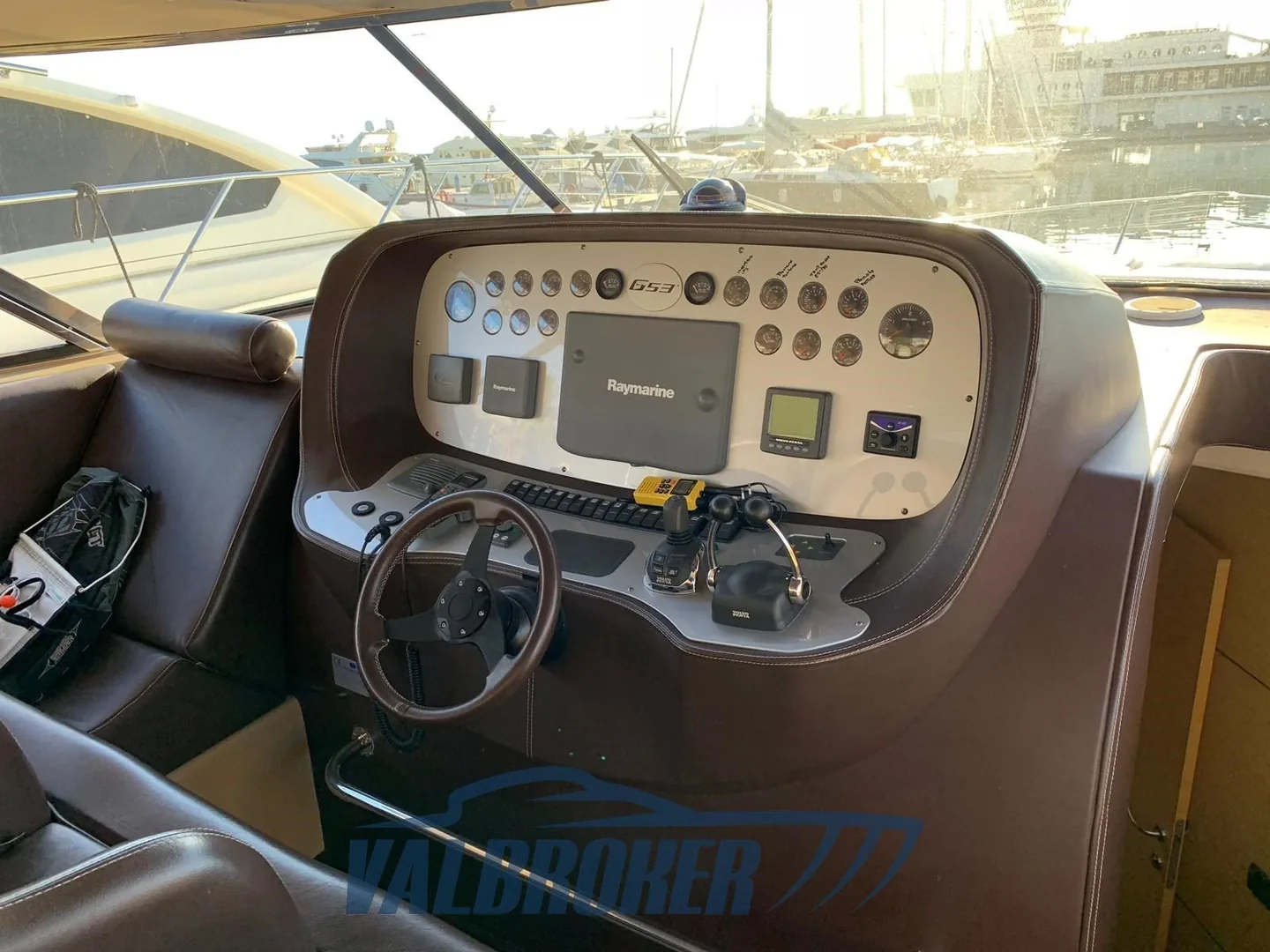
“Installed” also needs restraint. A chartplotter fixed into the console is physically present, but a photograph of a dark screen does not demonstrate startup, data, connected sensors, licences or updates. A tender secured on deck appears in the image, yet its make, identifier, engine, accessories and inclusion remain five different questions.
An evidence matrix that keeps photographs honest
The matrix below is explicitly illustrative and does not describe a real listing. It was designed to move every line from source to unresolved check; it cannot establish title, operation or technical condition.
| Item | Source or wording | Dated photo of this boat | Physical confirmation | Inclusion statement / remaining check |
|---|---|---|---|---|
| Navigation display | “Display at helm”, model unstated | Visible with screen off | Read make and serial | Confirm inclusion; test operation separately |
| Tender | Described only as “tender” | Visible at the stern | Match identifiers and engine | Ask exactly what the term includes |
| Cockpit table | Appears in one image | Image date uncertain | Check top, pedestal and stowage | Confirm that every part stays aboard |
| Removable equipment | Absent from description | Visible in a locker | Identify the object | Unknown: do not infer inclusion from the image |
Use “yes”, “no” or “unknown”, never a comforting approximation. In the source column record the URL or file name, date received and, where available, the year or version. For photographs retain the stated date and visible detail; during physical confirmation confine the note to identity, presence and observable completeness rather than inventing a diagnosis.
The final column needs a testable sentence such as “seller states included with bracket and cable” or “no answer received”. “As photographed” is inadequate because it does not identify which picture, which date or which component set.
Read the sequence, not a seductive detail
Start with the image set rather than one frame. Lighting, upholstery, instruments, object positions and background may indicate that photographs come from different moments. That discrepancy warrants a question, not an accusation: ask which images show the boat now and which are range or archive material.
For electronics, look for legible labels instead of guessing the model beneath a cover. For a tender, request identifiers and its inventory separately. Photograph tables, cushions, awnings and supports as complete systems: a tabletop without its pedestal, or fabric without its frames, is not the same as usable equipment.
Do not turn the matrix into a certificate of safety or condition. Batoo’s pre-viewing used-boat questions prepare identity, documents and the appointment. This inventory has a narrower role: it delivers an ordered list of objects and unknowns to that visit.
Turn a seller’s reply into a useful viewing
Send the partly completed table instead of asking whether the boat is “fully equipped”. Invite the seller to correct each row, add omissions and separate fixed accessories, parts stored ashore and personal effects. A precise answer reduces ambiguity; an incomplete one does not prove bad faith, but the box remains open.
At the viewing, use the same matrix against the actual boat. Record make, model and serial where they are accessible without dismantling, check that removable pieces are present and note anything that cannot be demonstrated. Operation of electronics and systems belongs to an agreed demonstration and, when material, professional inspection.
Apply the same columns while browsing the used-boats catalogue. A longer accessory list then stops automatically beating a shorter but better identified inventory. Your concrete next step is to select the five items that materially affect your programme, obtain boat-specific answers and carry only the remaining unknowns into the viewing and subsequent inspection.
Sources and references
Sources consulted and references retained to verify data and context.
- Boat buying made easy | Buying OwningRoyal Yachting Association
- Pardo 38 — brochure ufficialePardo Yachts / Cantiere del Pardo